Future Coast Bude

Films
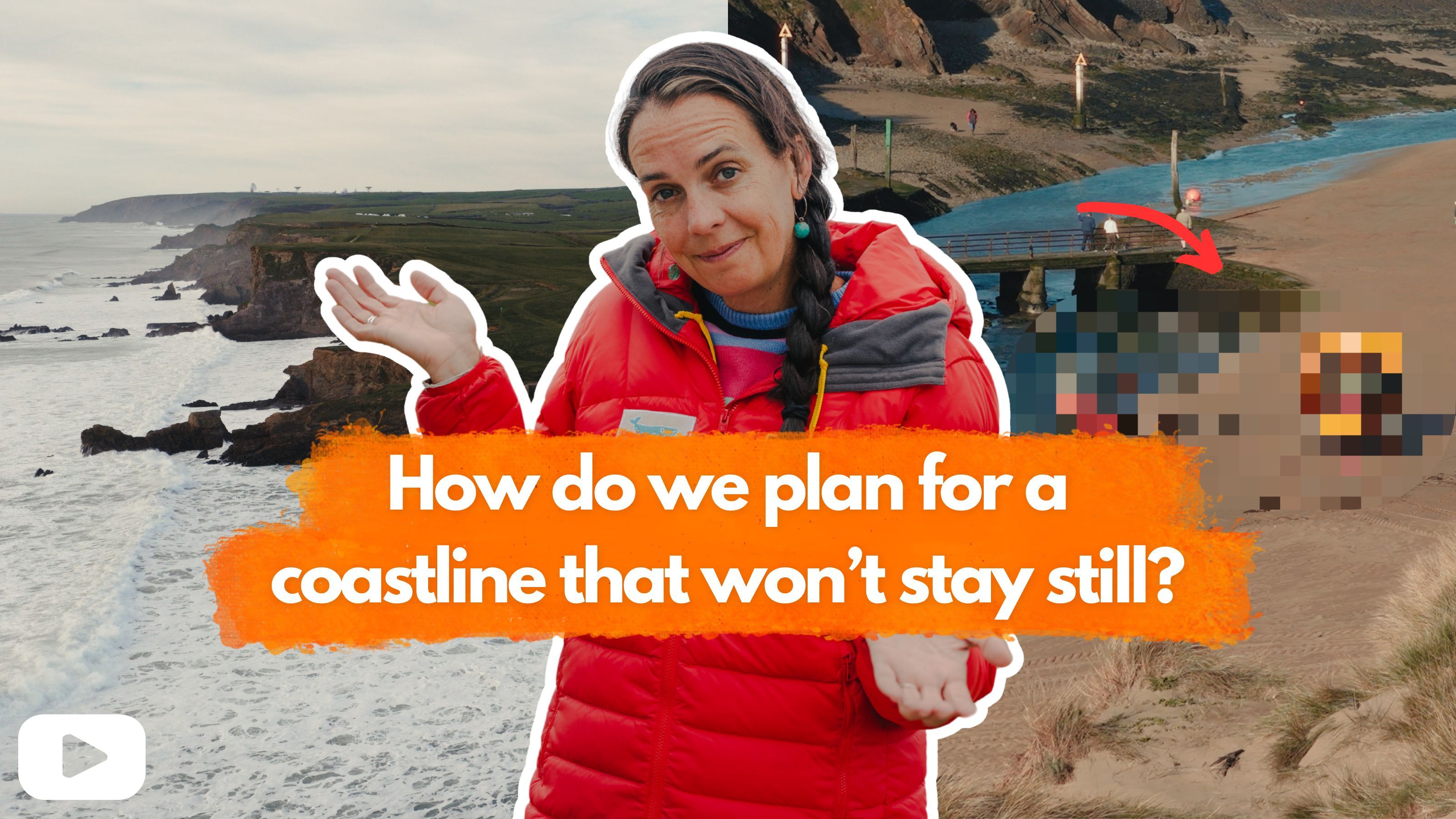
Watch short films that help explain what’s happening along Bude’s coastline, why it’s changing and what that could mean for the future. Click below to view.
Interactive Map
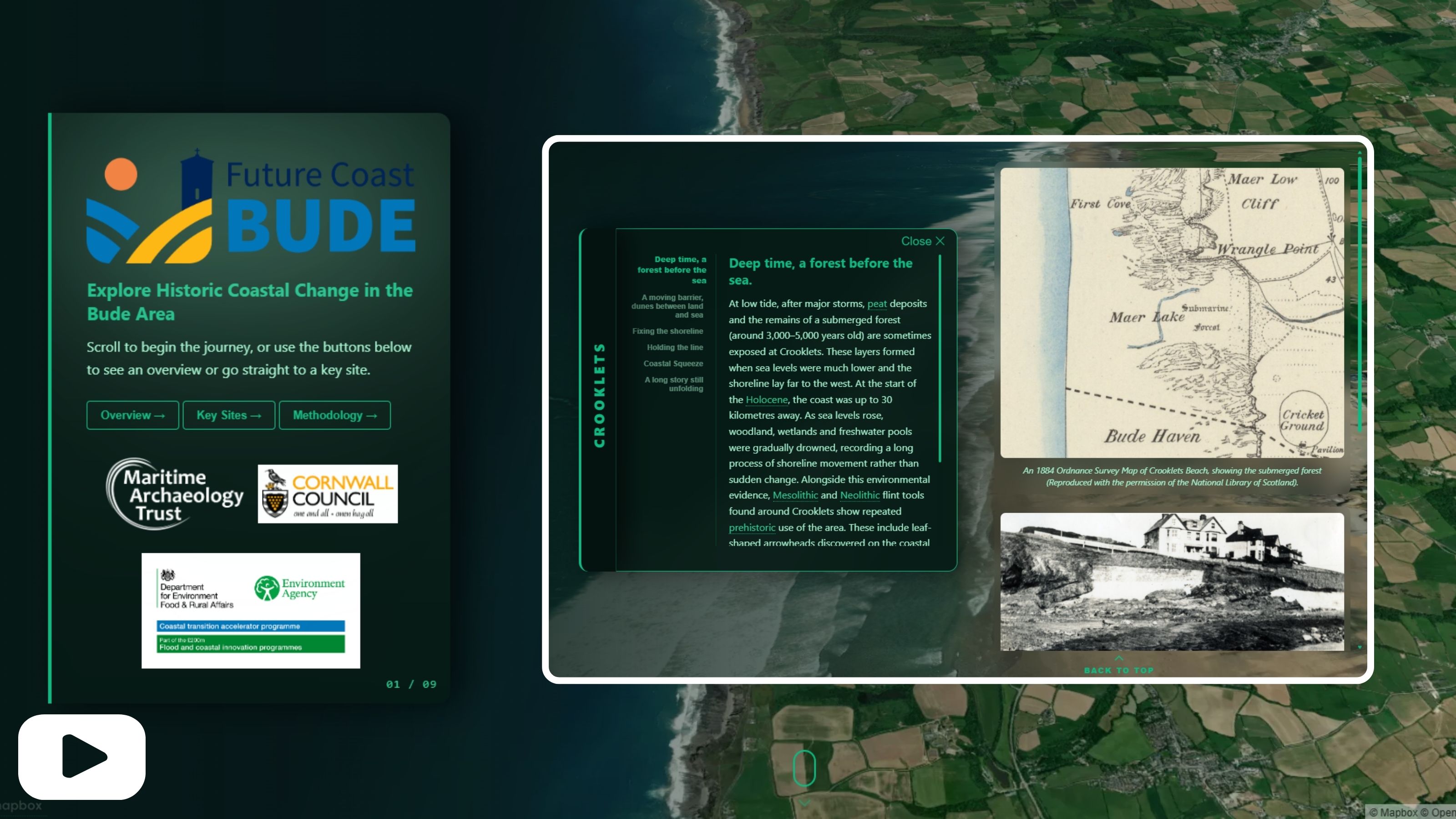
Explore how Bude’s coastline has changed over time through an interactive map, bringing together local stories, archaeological information, images and artwork. Click on the image below to begin exploring.
![]() |
Understanding Coastal Change
Read short guides that explain some of the key processes shaping the coastline, helping to build a clearer understanding of the challenges and changes taking place. Click on the name to view.
![]() |
![]() |
![]() |
![]() |
![]() |
![]() |
![]() |
![]() |
![]() |
![]() |
Coastal Change at Key Locations
ExploreContinue reading

Films
Watch short films that help explain what’s happening along Bude’s coastline, why it’s changing and what that could mean for the future. Click below to view.
Interactive Map
Explore how Bude’s coastline has changed over time through an interactive map, bringing together local stories, archaeological information, images and artwork. Click on the image below to begin exploring.
![]() |
Understanding Coastal Change
Read short guides that explain some of the key processes shaping the coastline, helping to build a clearer understanding of the challenges and changes taking place. Click on the name to view.
![]() | ![]() | ![]() | ![]() | ![]() |
![]() | ![]() | ![]() | ![]() | ![]() |
Coastal Change at Key Locations
Explore the history of familiar places along Bude’s coastline and how they have changed over time, helping to connect the past with what we see today. Click on the name to view.
![]() | ![]() | ![]() |
![]() | ![]() | ![]() |
![]() | ![]() | ![]() |

We’re working with the community to create a Coastal Vision for Bude.
This will set out shared priorities for how our coastline should adapt to the challenges of coastal change, now and in the future.
To help shape this, we’re inviting residents to take part in a series of Community Conversations.

The Coastal Vision will reflect what matters most to people living and working in Bude.
It will help guide future plans and decisions about our coastline, including how we respond to coastal change.
Before asking for your views, we want to make sure everyone has the opportunity to learn more about the challenges and opportunities facing our coast.

Community Conversations are relaxed, drop-in sessions where you can:
- learn more about coastal change
- explore information at your own pace
- speak to people involved in the project
- ask questions
- share your thoughts and ideas
In the lead up to these events, you may also see us out and about in the community sharing information and starting conversations in different locations.
You don’t need any prior knowledge. Just come along, learn something new and take part in a way that suits you.
Upcoming Events:
More Future Coast Bude events and opportunities to get involved will be announced soon — stay tuned for updates.
Previous Events:
Thursday 23 April, 4pm - 7pm
Ivor Potter Hall, Parkhouse Centre
Join us to explore the history of the coast, find out how our coastline is changing and learn more about the Future Coast Bude project.
You’ll be able to watch short films, explore interactive maps, speak to experts, ask questions and share your initial thoughts.
Saturday 9 May, 10am - 2pm
Ivor Potter Hall, Parkhouse Centre
Join us to take the next step in the conversation and have your say on the future of Bude’s coastline.
You’ll be able to explore key locations, take part in interactive activities, ask questions and share your views on what matters most and how the coastline could adapt in the future.
Thursday 14 May, 6pm - 9pm
The 2 Minute Foundation HQ, Crooklets Road Bude, EX23 8HN
Come along for a relaxed evening of creativity, conversation and free food as Future Coast Bude hosts a special Community Conversation Social for people aged 16–35 living in Bude.
The evening will include creative activities, short films, pizza, an optional coastal walk and opportunities to share ideas about the future of Bude’s coastline and how the town adapts to coastal change. There will also be the chance to contribute to a collaborative mural celebrating what young people love most about Bude.
Places are free, but booking is encouraged:
Book free tickets on Eventbrite
About the Future Coast Bude Project

The Future Coast Bude project is funded by Defra as part of the £200 million Flood and Coastal Innovation Programme (FCIP), which is managed by the Environment Agency. The programme will drive innovation in flood and coastal resilience and adaptation to a changing climate. Future Coast Bude is one of several projects around the country funded through the Coastal Transition Accelerator Programme (CTAP) portion of this fund.
The approach to how we address a changing coastline for Bude (and the country) are set out in national plans known as the Shoreline Management Plan. The aim of Future Coast Bude is to encourage the more sustainable use and development of the coastal fringe in line with the national plan, whilst considering the social and economic challenges presented by a naturally changing coastal environment.

What is the Coastal Transition Accelerator Programme (CTAP)?
The Coastal Transition Accelerator Programme (CTAP) helps communities to plan for coastal change in the long term, including:
- interventions such as improving and replacing damaged community infrastructure like beach access or coastal transport links,
- repurposing land in coastal erosion zones for different uses, and
- restoring and creating habitats to include green buffer zones.
Local authorities in the South West have been allocated £6 million in funding to improve the resilience of communities to the effects of coastal erosion and benefit the local economy. Bude is one of only two communities in the South West who will share this funding. For Bude the project will be delivered by Cornwall Council supported by the Environment Agency.

What can the £3 million funding be used for?
The funding can be used to promote adaptation actions to help communities transition away from an eroding coastline. Things the Future Coast Bude funding can be spent on include:
- Moving structures, amenities and properties away from risk at the coast
- Changing land use in areas vulnerable to coastal erosion
- Making changes to community infrastructure, such as car parks or toilet blocks, so that the impact of coastal erosion on them is minimised
- Looking into how funding can be secured for changes that will need to be made to adapt to a changing coastline
- Working with the planning authority to ensure coastal change is taken into account
- Working with businesses, community groups, as well as the wider public to help inform decisions.

Is there anything the funding can't be spent on?
The funding has been allocated to allow communities to adapt to change. It can be used in locations where the Shoreline Management Plan (SMP) policy is for Managed Realignment (MR). i.e. Summerleaze and Crooklets
The programme will not fund:
- The building of any new flood defences
- Any activity in areas where the Shoreline Management Plan policy is for ‘Hold the Line’ (HTL) i.e work to the breakwater
- Activities that should take place as Business as Usual or routine maintenance
- Any work to address damage caused by storm
- Any work to undertake coastal clean up

What sort of thing might Future Coast Bude deliver?
Future Coast Bude will explore with the community a plan for coastal change. This will include:
- The development of a Coastal Change Management Plan (CCMP). This is designated through the Local Plan and is required where changes are expected to the coast in the next 100 years.
- The introduction of a Coastal Change Management Area (CCMA) in areas not identified as ‘Hold the line’ in the Shoreline Management Plan. This can then be used to inform planning and management decisions in the future.
- Undertaking a transport and accessibility study which will help to determine how and when people access the beaches and local areas in Bude and how this can be improved in the future.
- Making plans for the future for infrastructure on the coast that may be impacted by sea level rise and coastal erosion.
Other opportunities that will be explored with the community include the potential:
- Relocating of public facilities to alternative locations to make sure they can still be used by the public in the future
- Relocating emergency services facilities, so that they can remain operational in the future
- Designing facilities in the future in a way that will help them adapt and respond to climate change (for example the Gig Club has been designed so it can be relocated)
- Decommissioning parts of the carpark which are currently covered by the dunes
- Improving accessibility to and at the coast.
-
Coastcraft goes live - learn about coastal processes and adaptation through a Minecraft world based on Bude!
Share Coastcraft goes live - learn about coastal processes and adaptation through a Minecraft world based on Bude! on Facebook Share Coastcraft goes live - learn about coastal processes and adaptation through a Minecraft world based on Bude! on X (formerly Twitter) Share Coastcraft goes live - learn about coastal processes and adaptation through a Minecraft world based on Bude! on Linkedin Email Coastcraft goes live - learn about coastal processes and adaptation through a Minecraft world based on Bude! linkCoastCraft launch – explore coastal resilience through a Minecraft world based on Bude!
What is CoastCraft?
CoastCraft is an educational game designed for students aged 9-14 (in England – Upper Primary Key stage 2 and lower secondary key stage 3). This game transports players to the coastal town of Bude in North Cornwall, modelled in MinecraftEducation™ by BlockBuilders. Playing CoastCraft introduces students to the dynamic processes of shaping coastal areas and challenges them to make decisions that balance the needs of various stakeholders while protecting the environment.
Who developed CoastCraft?
Based on the landscape of the town of Bude inContinue reading

CoastCraft launch – explore coastal resilience through a Minecraft world based on Bude!
What is CoastCraft?
CoastCraft is an educational game designed for students aged 9-14 (in England – Upper Primary Key stage 2 and lower secondary key stage 3). This game transports players to the coastal town of Bude in North Cornwall, modelled in MinecraftEducation™ by BlockBuilders. Playing CoastCraft introduces students to the dynamic processes of shaping coastal areas and challenges them to make decisions that balance the needs of various stakeholders while protecting the environment.
Who developed CoastCraft?
Based on the landscape of the town of Bude in Cornwall, the game has been developed in partnership by Minecraft Education, Cornwall Council and the Environment Agency as part of the latter’s £200m Flood and Coastal Innovation Programme.
Is CoastCraft part of the Future Coast Bude project?
Although CoastCraft is based in Bude, it is not part of the Future Coast Bude project. It is funded though Making Space for Sand. This is another project led by Cornwall Council and funded through the Defra Flood and Coastal Innovation Programme. This project covers a number of sites across Cornwall.
The aim of the Making Space for Sand Project is to encourage the more sustainable use and development of the coastal fringe to allow for a more natural, ecosystem approach to coastal management where traditional coastal protection is not possible. To find out more about Making Space for Sand visit their website: Home Page - Making Space for sand
CoastCraft is based on the sand dunes at Summerleaze beach. Does the game affect what is planned for the future of Summerleaze?
No. However, the game is based on real life modelling and shows the actual impacts that different decisions will have on the local area. The aim of CoastCraft is to give young people around the world the opportunity to understand more about coastal processes and what the competing needs are of a range of stakeholders.
CoastCraft places students onto Summerleaze in the present day. The game introduces the processes which are currently shaping the area, and provides the player with an opportunity to make important decisions while developing coastal resilience in the local community.
The Future Coast Bude project will be working with the community in Bude to plan for what their vision is for the coastline in Bude in the future. This will be done by working closely with the community to understand what is most important to them, and how a range of pressures and interests (just like in the game) can be balanced in the future, in the face of rising sea levels and coastal erosion.
How were Budehaven School involved in the project?
Students in Years 7 and 8 at Budehaven School were given the opportunity to play the game in advance of the launch. They were filmed playing the game and interviewed about how they found it. This footage was developed in a short film which is being used to promote CoastCraft.
CoastCraft was launched on 3 October and young people from Budehaven school were also involved in the launch.
How can I play CoastCraft?
CoastCraft can be played on the Minecraft™: Education Edition. It can be downloaded free and installed on many different types of device. You will need a Microsoft 365 account and you will need to search for “CoastCraft” in the Library.
-
The history of Bude Canal and Harbour
Share The history of Bude Canal and Harbour on Facebook Share The history of Bude Canal and Harbour on X (formerly Twitter) Share The history of Bude Canal and Harbour on Linkedin Email The history of Bude Canal and Harbour link
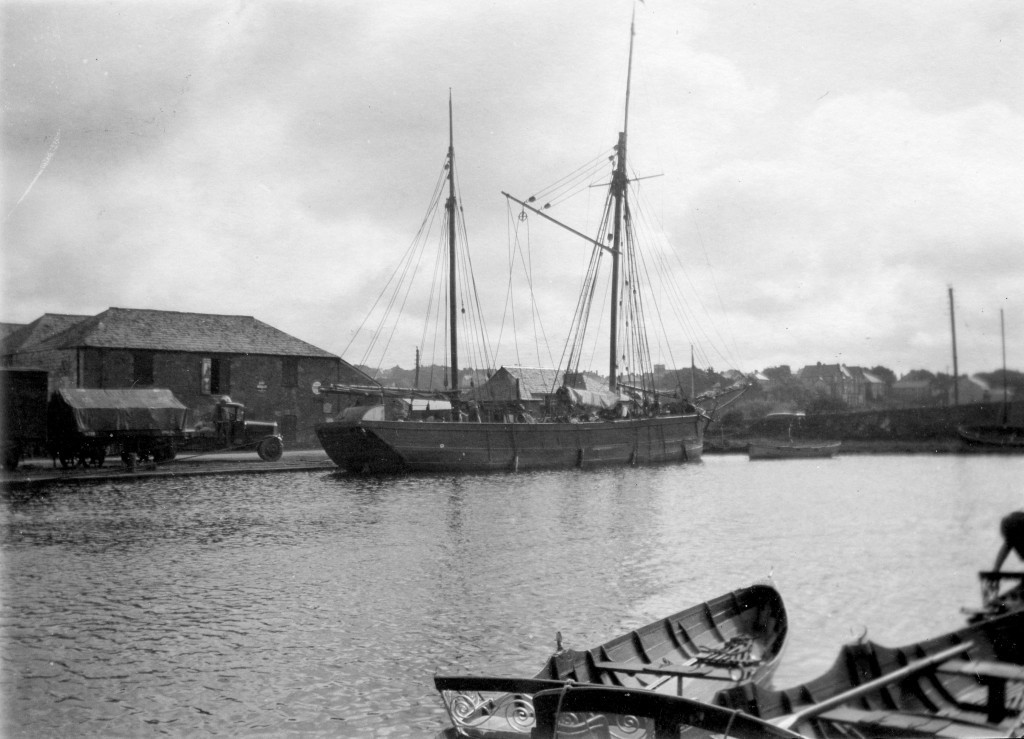
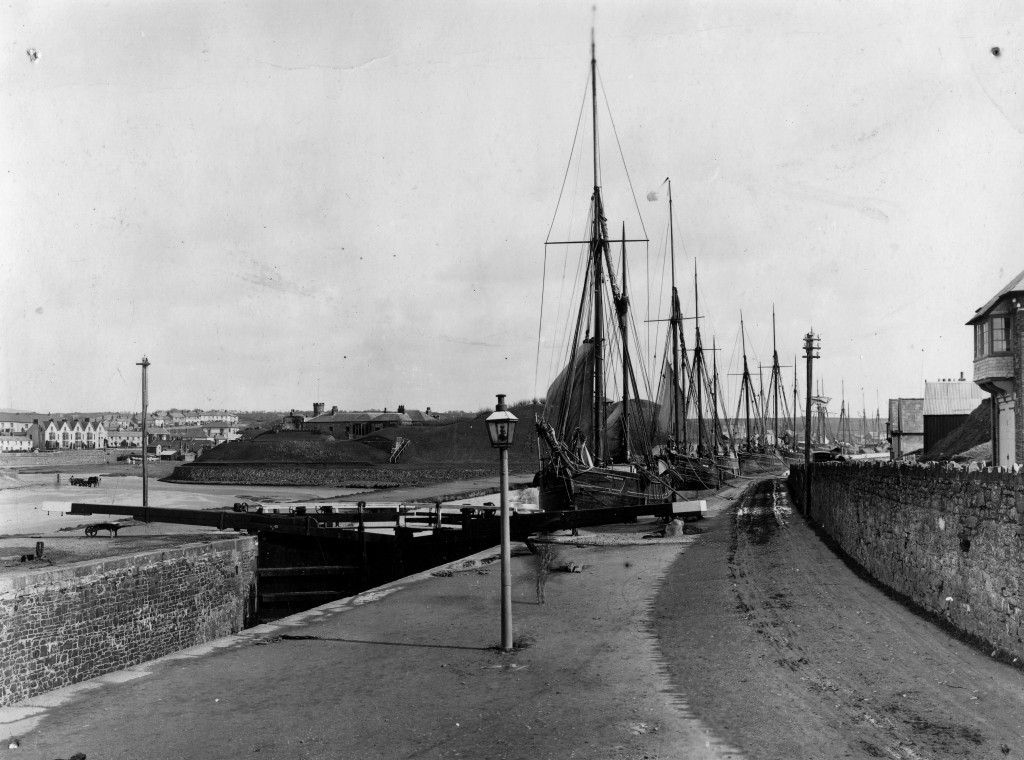
Continue readingThe Bude Canal was opened on the 8th July 1823. The purpose of the canal being built was mainly to bring lime rich sand for agricultural fertiliser to the hilly hinterland and the local farms. The Bude Canal system was one of the most unusual in Britain.If was remarkable in using six inclined planes which enabled tug boats, measuring 20ft x 5.6ft x 3.20ft to be hauled to the upper levels.It had a total extent of 35 1/2 miles (56km), and it rose from sea level to the upper levels.
The original plan had been to use barges The Bude Canal was opened on the 8th July 1823. The purpose of the canal being built was mainly to bring lime rich sand for agricultural fertiliser to the hilly hinterland and the local farms. The Bude Canal system was one of the most unusual in Britain.If was remarkable in using six inclined planes which enabled tug boats, measuring 20ft x 5.6ft x 3.20ft to be hauled to the upper levels.It had a total extent of 35 1/2 miles (56km), and it rose from sea level to the upper levels.
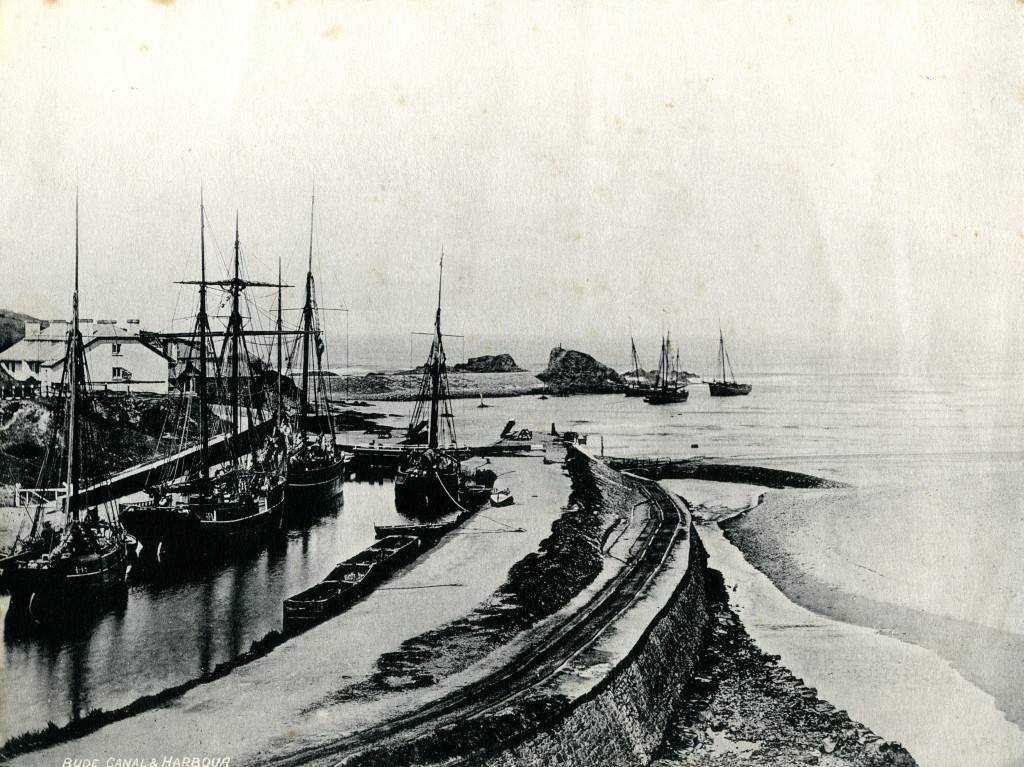
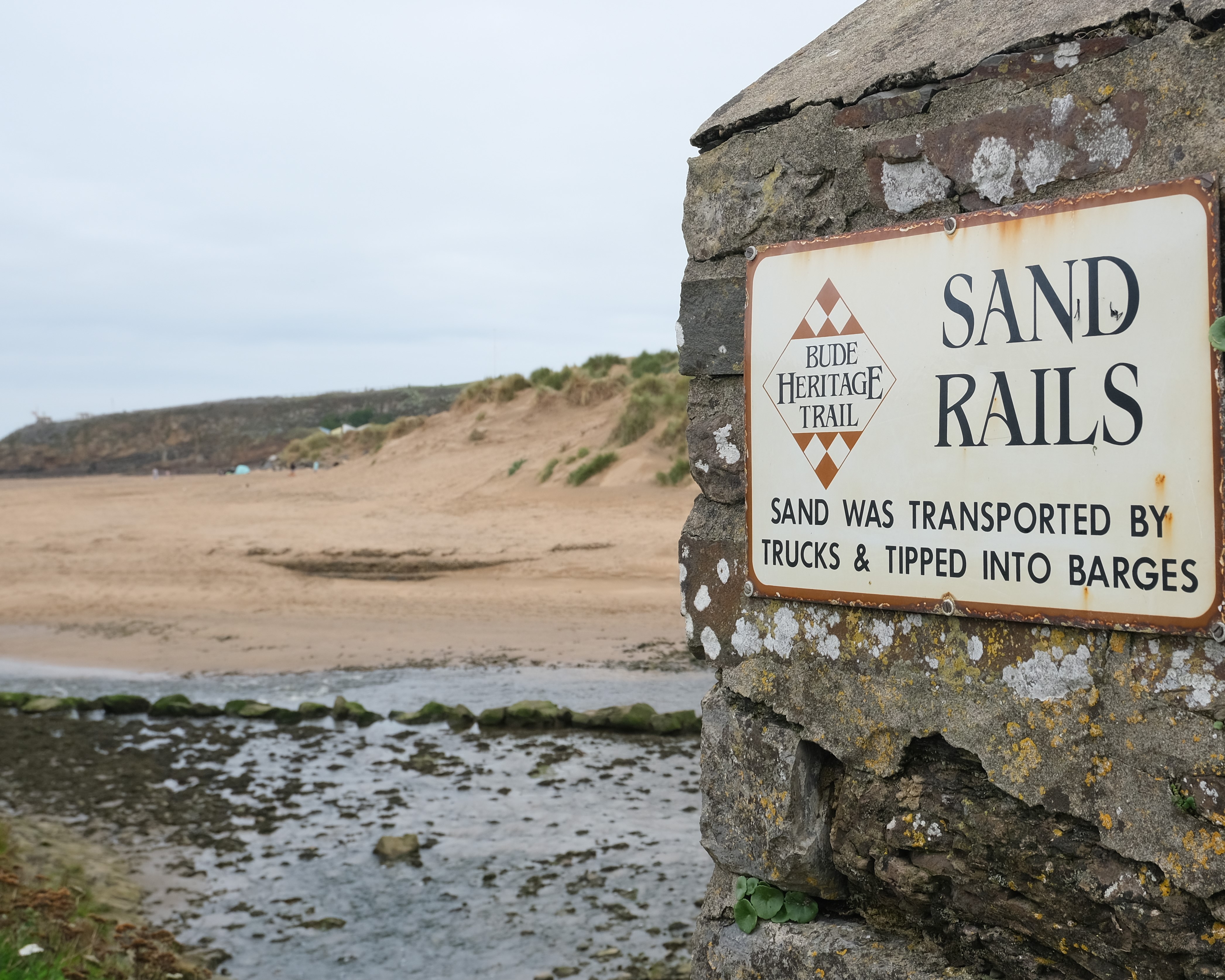
The original plan had been to use barges to transport sand through the sea lock. However, this was not considered effective and a system of rail tracks designed for trucks pulled by horses was developed instead.
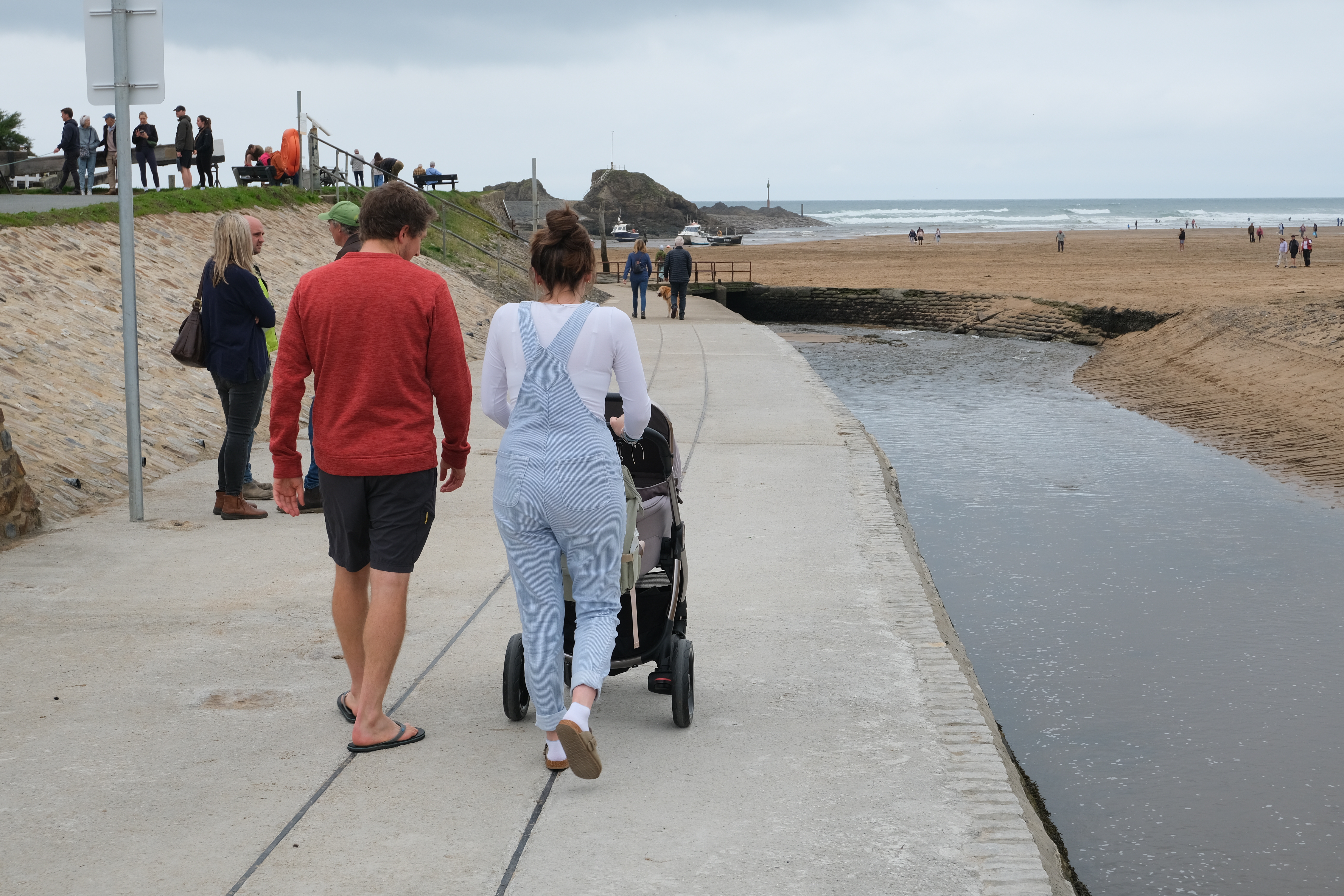
Some of the rails are still visible on the beach today, and it is the rails running down the path to the beach that have been incorporated into the newly restored access way.The sea lock is one of only two in the UK, and was enlarged to its current size in 1838. it is 119ft x 30ft x 30ft and requires a minimum depth of 9ft 6" of sea water to operate. The lock is still in use today and is operated by a volunteer crew.
The original breakwater was built in 1820. It was rebuilt in 1838 following a violent storm to the design we see today. The breakwater is vital in protecting the harbour and helping ensure the safe passage of ships.
Photographs courtesy of The Castle Heritage Centre.
-
Sand rails access way update - 22 September 2025
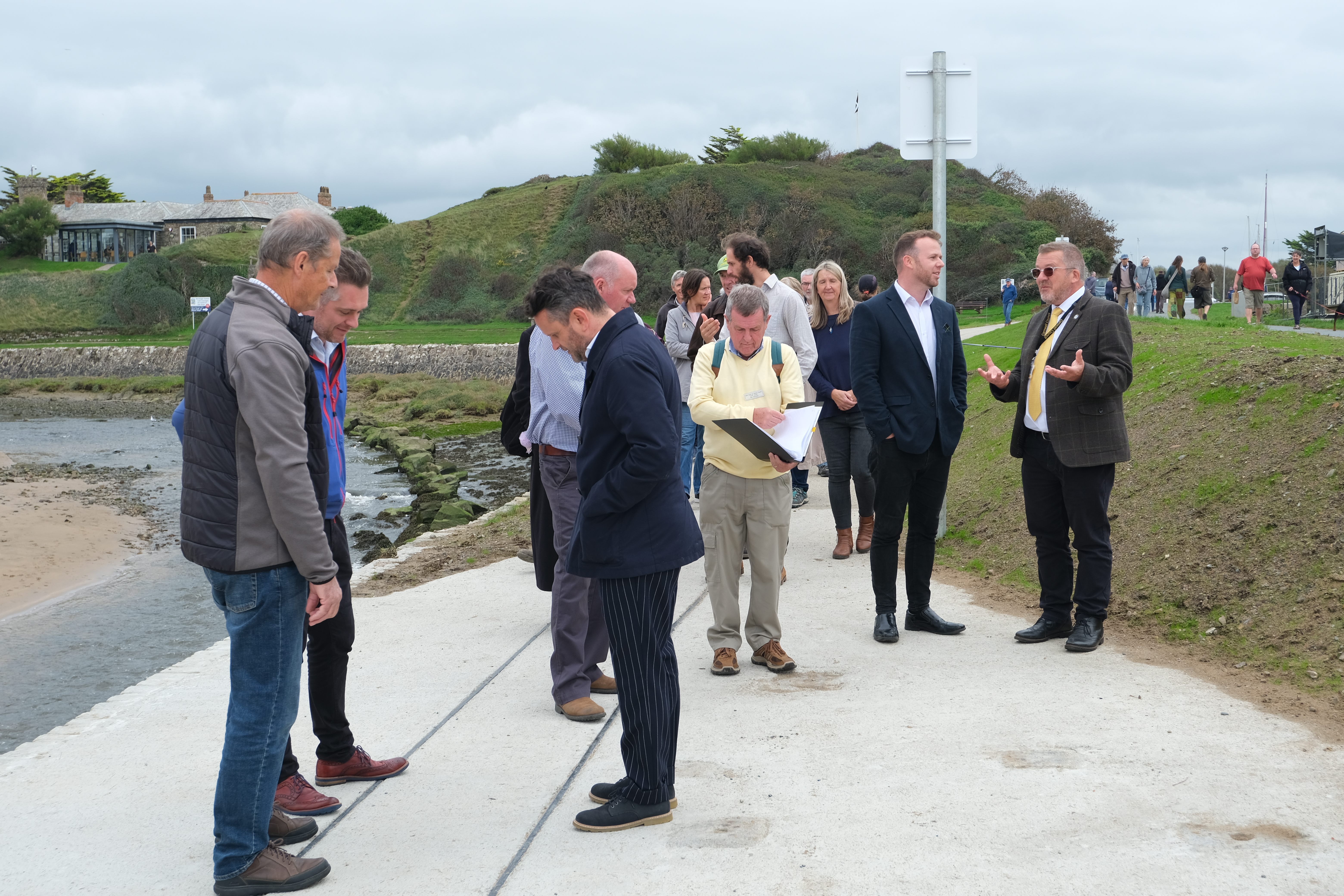
Share Sand rails access way update - 22 September 2025 on Facebook Share Sand rails access way update - 22 September 2025 on X (formerly Twitter) Share Sand rails access way update - 22 September 2025 on Linkedin Email Sand rails access way update - 22 September 2025 linkThe sand rails access way project is now complete, with the official opening taking place on Friday 19 September 2025.
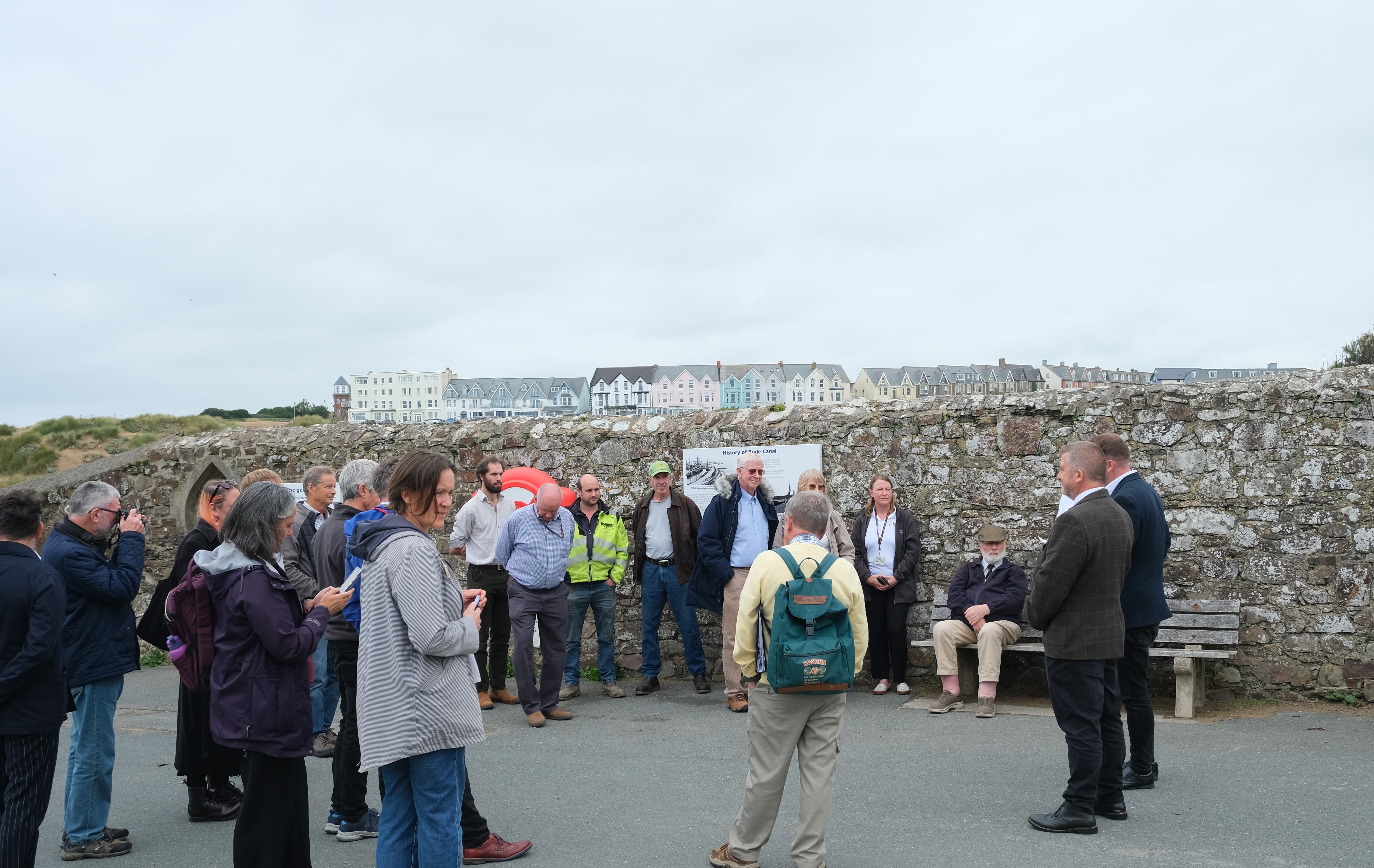
The opening event was attended by around twenty five representatives from organisations who have been involved in the deign and delivery of the project. This included Cornwall Council staff and councillors, Cormac, Bude-Stratton Town Council staff and councillors, Active8, Bude Canal and Harbour Society, the Environment Agency and Future Coast Bude.
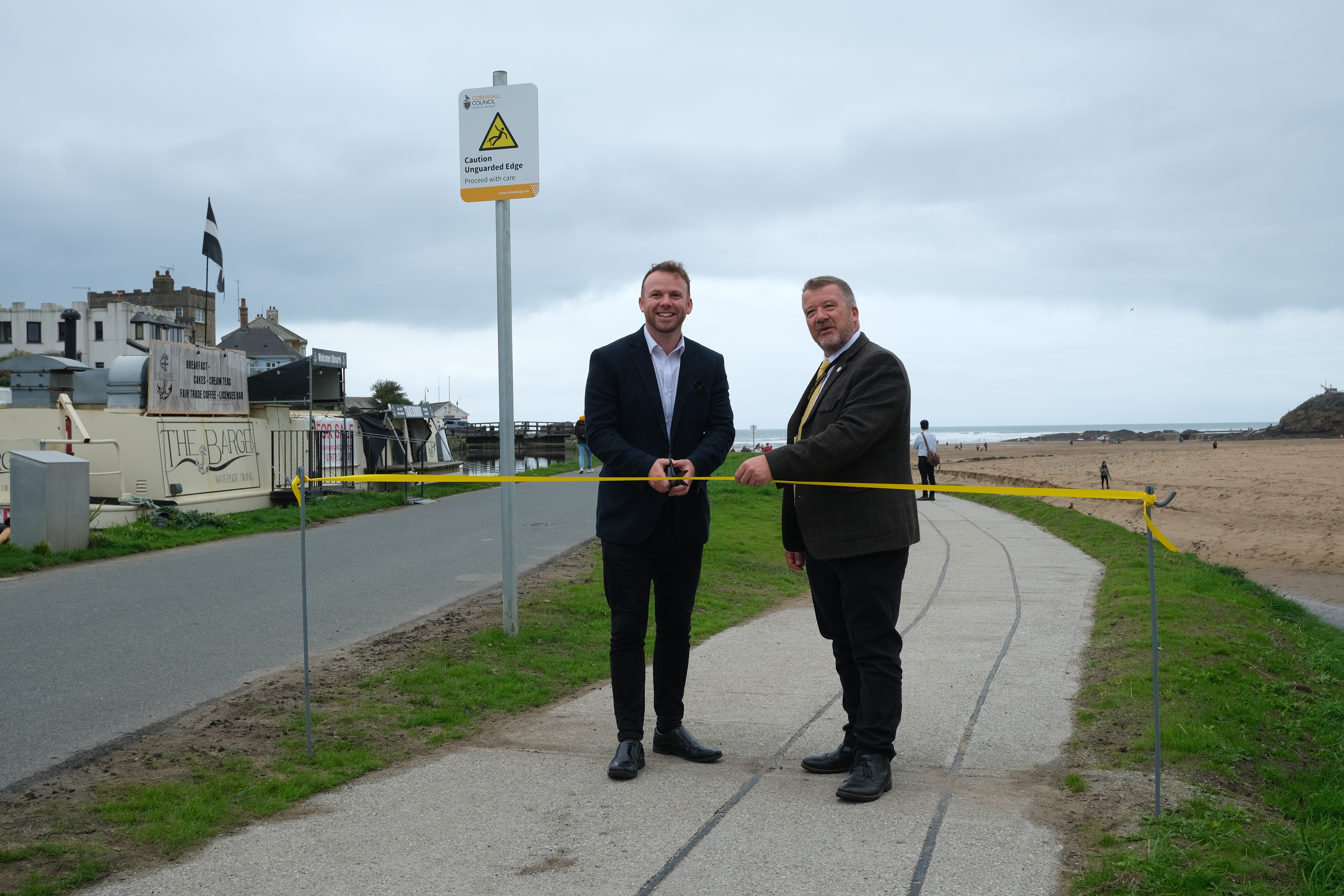
The access way was officially opened with a ribbon cutting by MP for North Cornwall, Ben Maguire, and Cornwall Councillor, Peter LaBroy.
Cllr LaBroy spoke to the group, drawingContinue reading
The sand rails access way project is now complete, with the official opening taking place on Friday 19 September 2025.
The opening event was attended by around twenty five representatives from organisations who have been involved in the deign and delivery of the project. This included Cornwall Council staff and councillors, Cormac, Bude-Stratton Town Council staff and councillors, Active8, Bude Canal and Harbour Society, the Environment Agency and Future Coast Bude.
The access way was officially opened with a ribbon cutting by MP for North Cornwall, Ben Maguire, and Cornwall Councillor, Peter LaBroy.
Cllr LaBroy spoke to the group, drawing attention to the large amount of funding that had been spent in recent times to manage and maintain local flood and coastal erosion risk assets. He also thanked local stakeholders for their invaluable input in to the project, which required a careful balance of heritage and accessibility needs.
The project was made possible through £308,000 of Future Coast Bude funding. Future Coast Bude is funded by Defra as part of the £200 million Flood and Coastal Innovation Programme, which is managed by the Environment Agency. An additional £300,000 of Cornwall Council funding was used to stabilise the embankment.
Ben Maguire, also attended and made a speech. He said,
“…Projects such as Future Coast Bude are national exemplars of forward thinking and innovation. This also represents a significant investment by DEFRA and Bude is only one of only two communities chosen in the Southwest to be allocated funding. Well done Bude – you have done Cornwall proud.”
Peter Daniel, Secretary of the Bude Canal and Harbour Society talked to those gathered about the significant historical importance of the sand rails. A new information board is being produced to reflect this and will be installed in the near future. The production of this is being supported by the Heritage Centre at Bude Castle.
The information board will also explain what will be done with the additional concrete setts which were not able to be set in to the access way. Having received feedback from the community, the more complete setts will be used to make a bench, which will be sited in close proximity to the sand rails. Another sett will be on display, alongside part of the track which was removed, at the Bude Barge Workshop in Helebridge.
Thank you to all who have been involved in this project, which has taken nearly eight years, from start to finish, to complete. We have been overwhelmed by the positive feedback we have received from the community and those on holiday. This is a much-treasured asset to Bude, and by providing this walk way on to the beach at Summerleaze, it is hoped we can allow continued access for those requiring step free access, long in to the future.
-
Sand rails access way update - 4 September 2025
Share Sand rails access way update - 4 September 2025 on Facebook Share Sand rails access way update - 4 September 2025 on X (formerly Twitter) Share Sand rails access way update - 4 September 2025 on Linkedin Email Sand rails access way update - 4 September 2025 linkWork has continued on the walkway with various sections now completed at the seaward and landward canal path ends.
The final walkway section left to complete is located in the middle of the tramway walkway close to the dwarf wall and tramway siding. This last section to be completed will incorporate the historic granite setts into the final surface which used to support the sand tramway siding rails.
Before work started, the positions of all the granite setts were surveyed. Before the new surfacing was laid, the setts were put back in their existing positions, and were set to theContinue reading
Work has continued on the walkway with various sections now completed at the seaward and landward canal path ends.
The final walkway section left to complete is located in the middle of the tramway walkway close to the dwarf wall and tramway siding. This last section to be completed will incorporate the historic granite setts into the final surface which used to support the sand tramway siding rails.
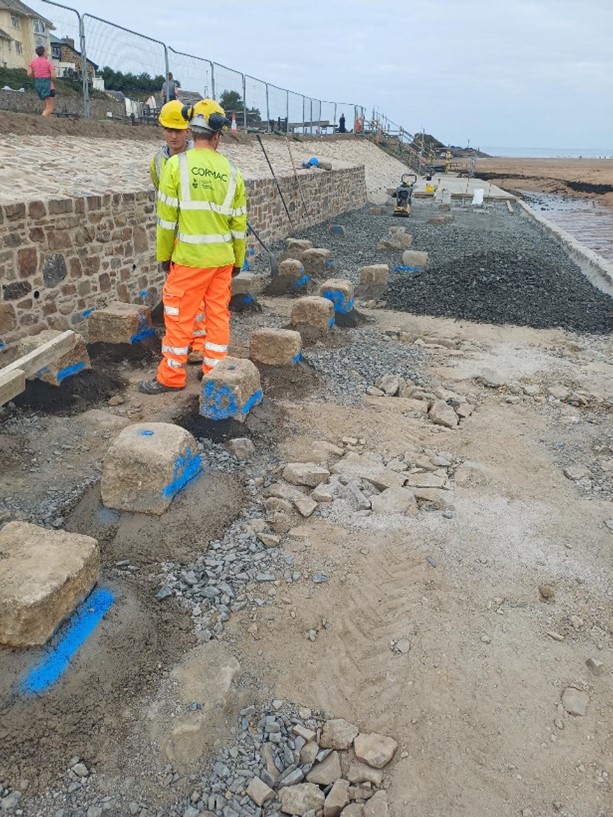
Before work started, the positions of all the granite setts were surveyed. Before the new surfacing was laid, the setts were put back in their existing positions, and were set to the new walkway finished level.
The final concrete bay has now been excavated. In this area, the new walkway is wider than it was originally, requiring the bank to be dug out. During this work, approximately ten of the historic granite setts were uncovered. It is likely that over time, these setts have come loose from the section of the walkway that is regularly under water at high tide. It is thought that to prevent these loose setts being washed out to sea, they had been moved to an area that is not submerged by the high tide, and over time, these have become buried by soil. As the work to the walkway where these setts have come from is already complete, unfortunately they will not be able to be reinstated. They are being safely stored, and we would welcome thoughts from the community as to how best they should be used or displayed in the future.
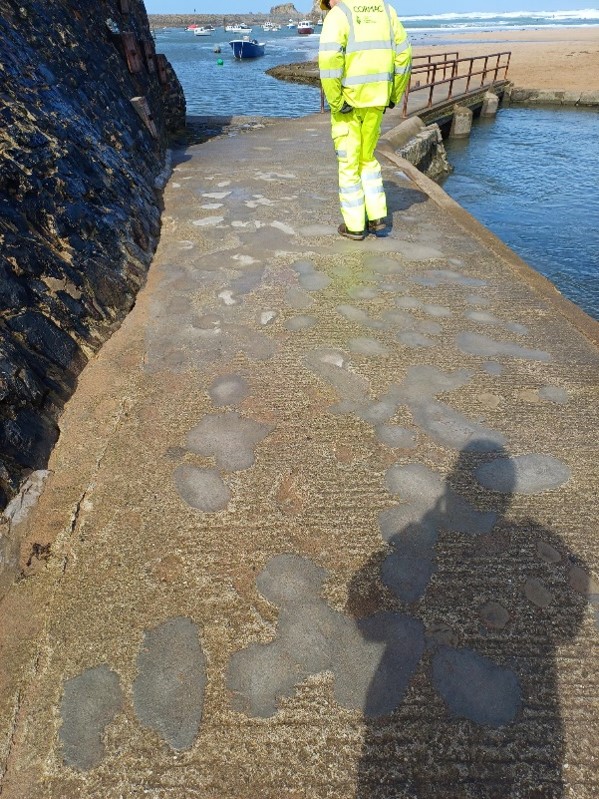
Past the seaward end of the tramway walkway the surface defects in the existing concrete walkway have been cleaned and repaired to ensure a smooth and accessible walkway surface is provided all the way down to the beach.


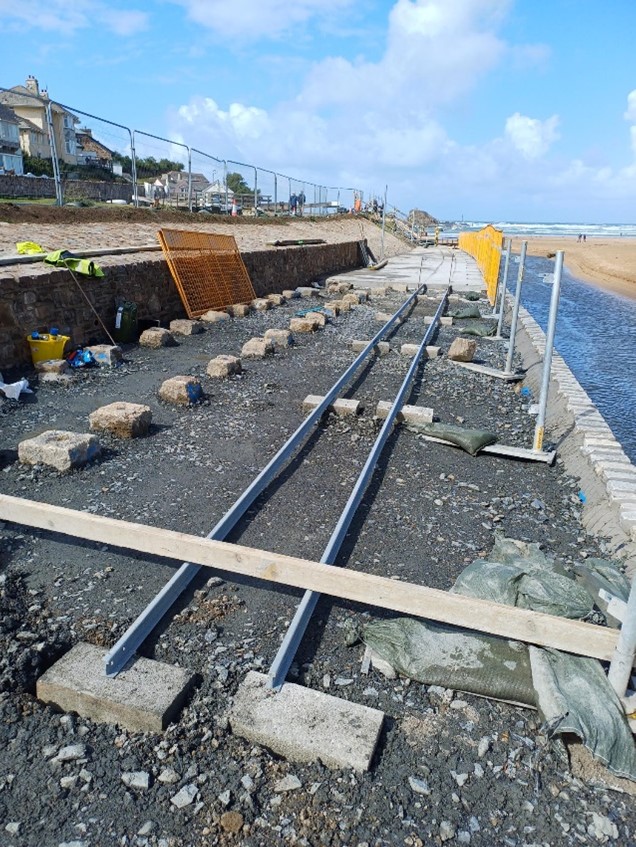
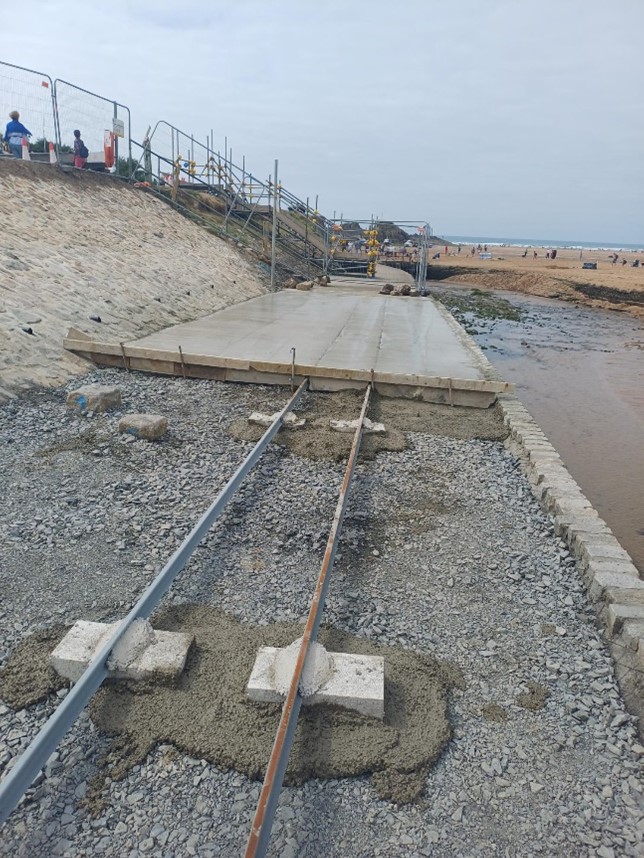
Preparation of tramway siding area foundation and
replacement rails before concrete walkway pouring.
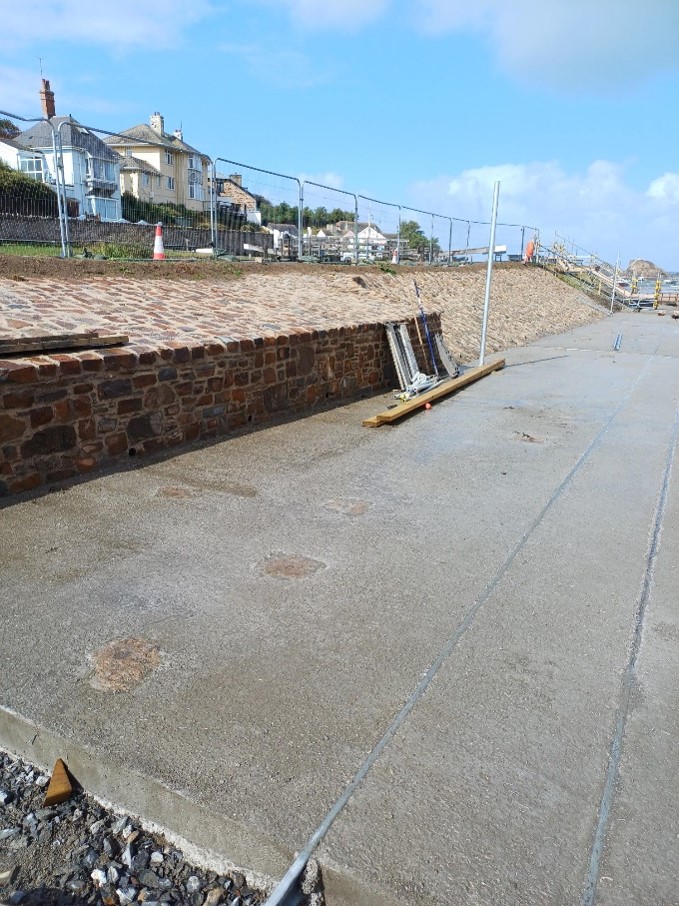
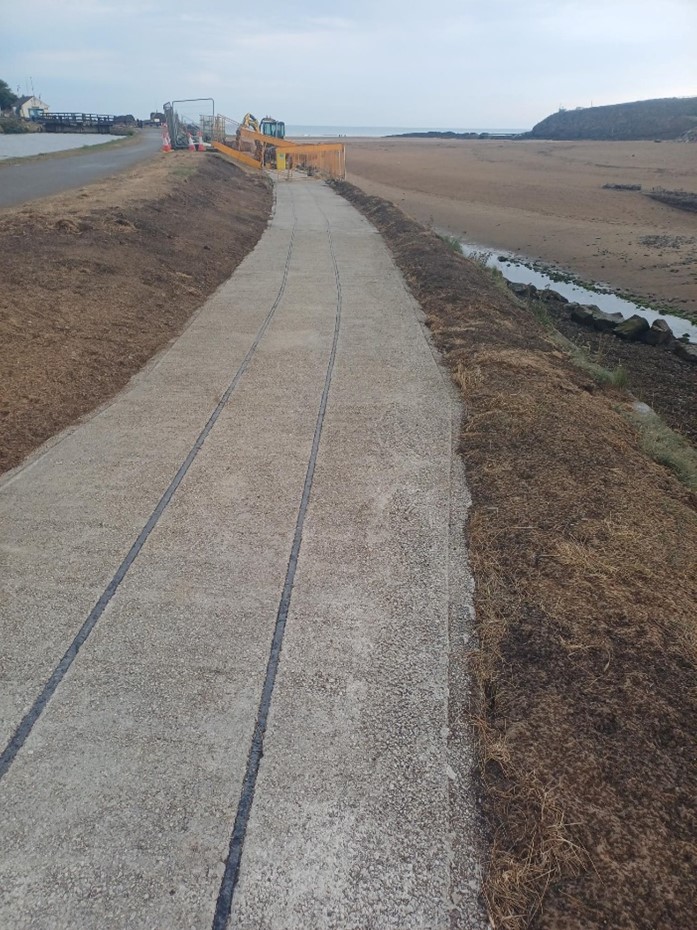
Finished section of concrete walkway with granite setts freshly finished exposed aggregate finish.
Concrete repairs to historic surface defects in lower
section of tramway
walkway underway.
-
Sand rails access work update - 27 August 2025
Share Sand rails access work update - 27 August 2025 on Facebook Share Sand rails access work update - 27 August 2025 on X (formerly Twitter) Share Sand rails access work update - 27 August 2025 on Linkedin Email Sand rails access work update - 27 August 2025 linkWorks have been progressing at speed on the sand tramway surfacing now the revetment works are complete. Sections of walkway surfacing have now been completed at the top of the sand tramway and at the seaward end. Preparation works on the middle sections now underway.
In the section adjacent to the dwarf retaining wall, the historic cobbles have been relocated in their original historic positions, however raised in their height, to be incorporated in the finished walkway surface.
As walkway sections are completed, movement joints are filled with a flexible mastic. This will prevent future cracking when the sections ofContinue reading
Works have been progressing at speed on the sand tramway surfacing now the revetment works are complete. Sections of walkway surfacing have now been completed at the top of the sand tramway and at the seaward end. Preparation works on the middle sections now underway.
In the section adjacent to the dwarf retaining wall, the historic cobbles have been relocated in their original historic positions, however raised in their height, to be incorporated in the finished walkway surface.
As walkway sections are completed, movement joints are filled with a flexible mastic. This will prevent future cracking when the sections of concrete slabs expand and contract with temperature changes.
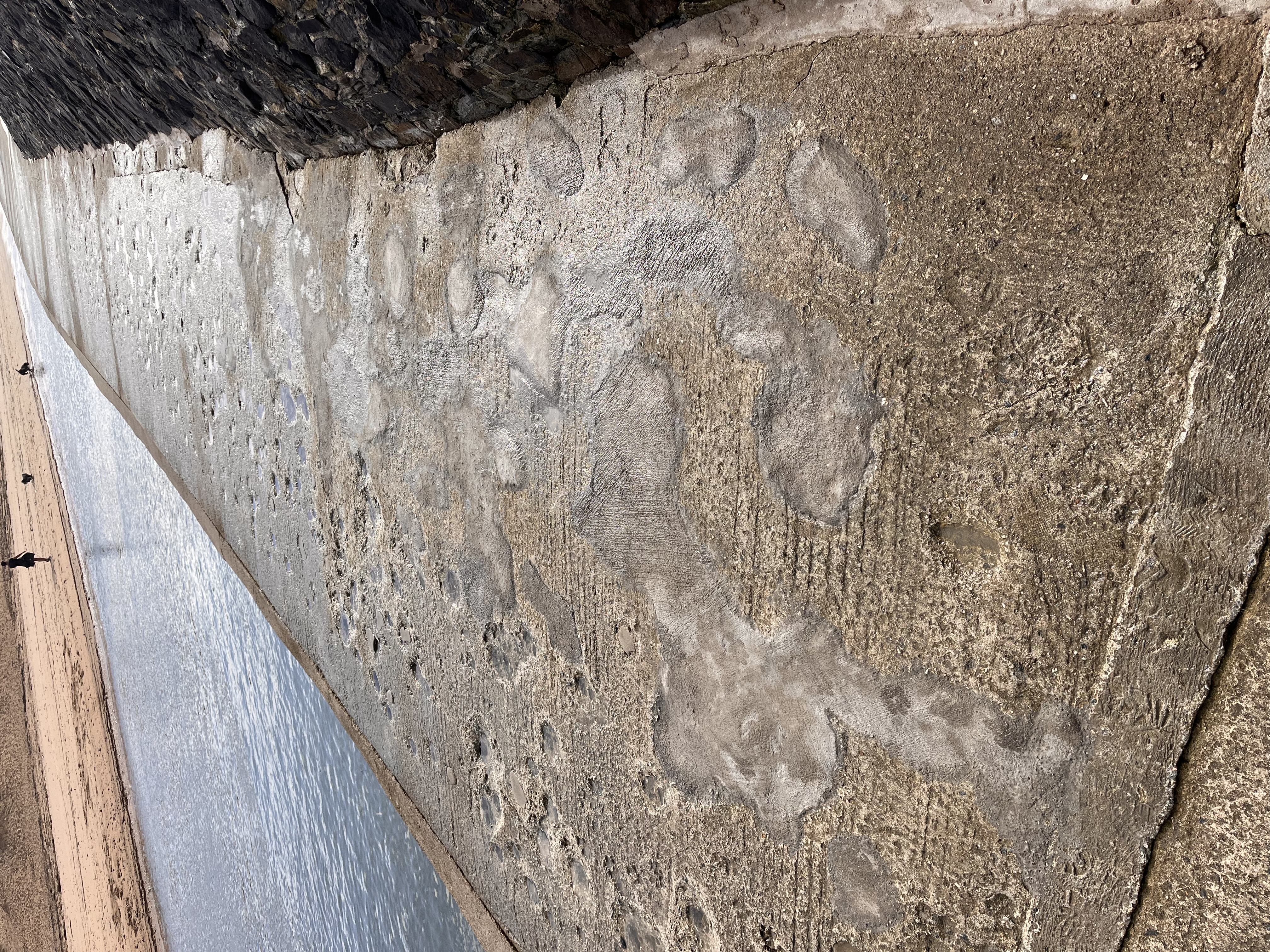
The footprints in the concrete at the beach end of the walkway are starting to be filled, to ensure that the walkway is accessible all the way down to the beach. This work will continue this week.
Health and safety challenges due to high spring tides had to be managed over the weekend, but with the tide falling to neaps, this should not be a problem in the coming weeks.


Preparation of historic granite setts for inclusion into final concrete surface.
Freshly finished walkway surface after pressure washing top layer of cement off to expose concrete aggregate.
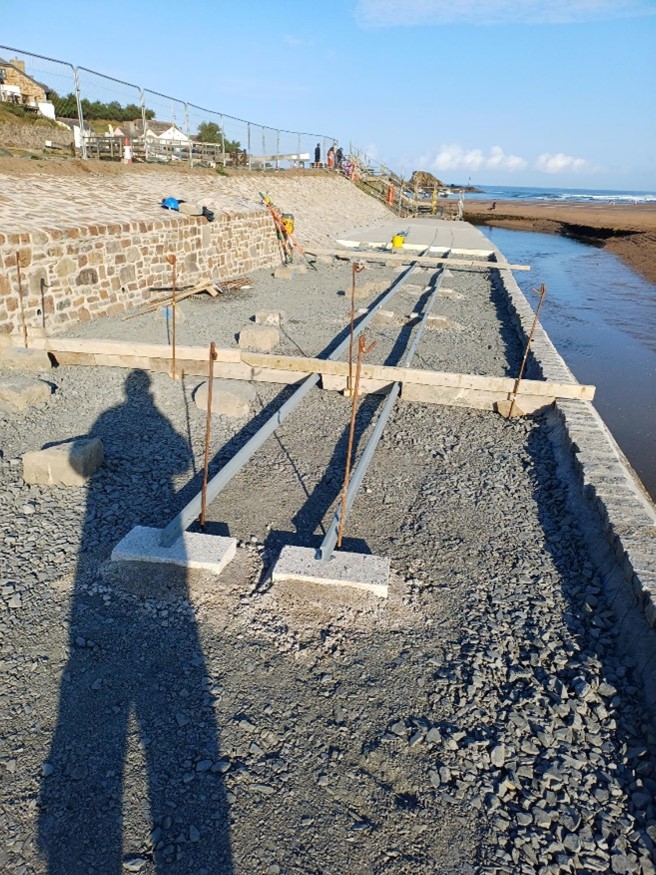
Finished aggregate foundation for walkway with replacement rails relocated along original alignment.
Holes being filled at the beach end of the walkway. -
Pop in and see us at Holsworthy and Stratton Agricultural Show!
Share Pop in and see us at Holsworthy and Stratton Agricultural Show! on Facebook Share Pop in and see us at Holsworthy and Stratton Agricultural Show! on X (formerly Twitter) Share Pop in and see us at Holsworthy and Stratton Agricultural Show! on Linkedin Email Pop in and see us at Holsworthy and Stratton Agricultural Show! linkThe Future Coast Bude team will be at stand 87 at the Holsworthy and Stratton Agricultural Show on Thursday 28 August. Come and chat to us to find out more about the project and how you can be involved.
The Future Coast Bude team will be at stand 87 at the Holsworthy and Stratton Agricultural Show on Thursday 28 August. Come and chat to us to find out more about the project and how you can be involved.
-
Sand rails access work update - 18 August 2025
Share Sand rails access work update - 18 August 2025 on Facebook Share Sand rails access work update - 18 August 2025 on X (formerly Twitter) Share Sand rails access work update - 18 August 2025 on Linkedin Email Sand rails access work update - 18 August 2025 linkWorks on site have been proceeding at speed now the block work revetment has been completed.
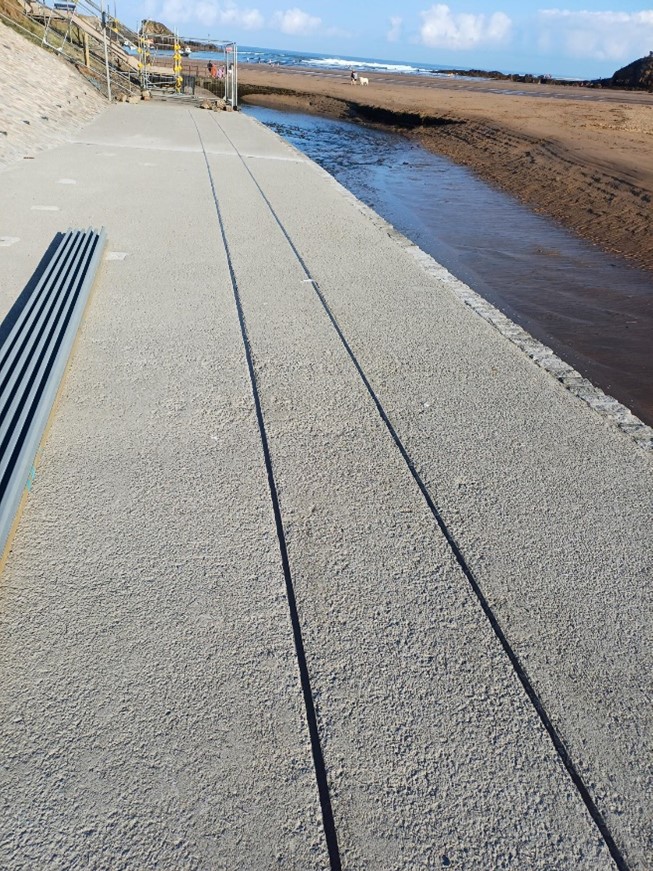
The historic tram rails have been preserved where possible at the top of the walkway, however where their condition was too poor in the lower part of the walkway, they have been replace in their original locations with like for like replacement rails.
The concrete walkway is being poured in short sections starting from the top and bottom of the walkway. The rails and historic setts have been included in the finished surface.
The final walkway surface has been given an exposed aggregate finishContinue reading
Works on site have been proceeding at speed now the block work revetment has been completed.
The historic tram rails have been preserved where possible at the top of the walkway, however where their condition was too poor in the lower part of the walkway, they have been replace in their original locations with like for like replacement rails.
The concrete walkway is being poured in short sections starting from the top and bottom of the walkway. The rails and historic setts have been included in the finished surface.
The final walkway surface has been given an exposed aggregate finish to allow it to blend in with the local setting and to provide additional friction.
The next week’s works will involve the preparation, pouring and finishing of more sections of walkway.


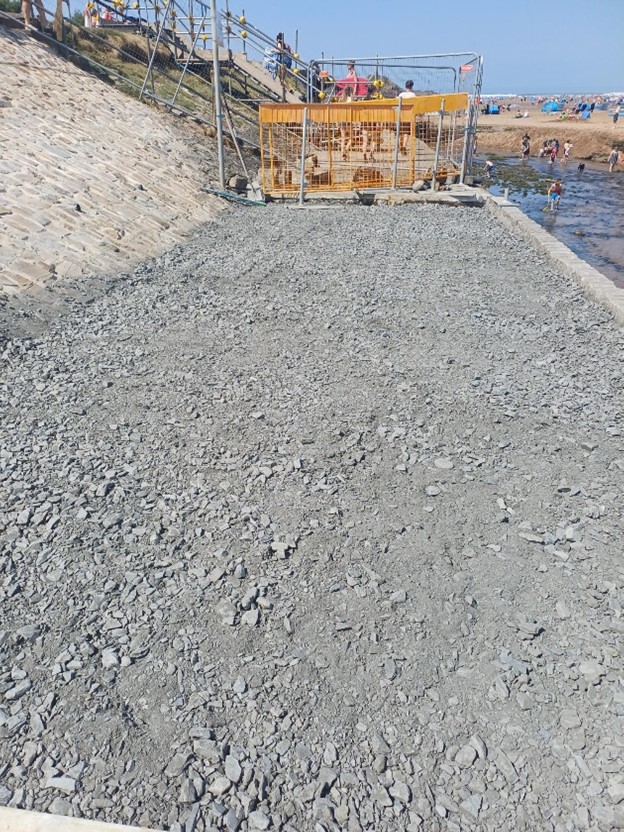
Placement of compacted aggregate foundation for concrete walkway.
Replacement tram rails being
set in place and historic
granite setts relocated to
original locations, prior to
pouring of concrete slab.
Finished exposed aggregate surface on top of walkway. with original rails inlayed into new concrete slab.
-
Sand rails access way update - 11 August 2025
Share Sand rails access way update - 11 August 2025 on Facebook Share Sand rails access way update - 11 August 2025 on X (formerly Twitter) Share Sand rails access way update - 11 August 2025 on Linkedin Email Sand rails access way update - 11 August 2025 linkWorks on the walkway are now fully underway, following the completion of the work to the revetment. The historic tramway surfacing has been removed, along with the granite setts being placed to one side, to be reinstalled in the final finished surface later.
Where possible the existing historic rails are being retained, however, where they are too damaged or corroded, they are being replaced with a like for like copy in the same position.
Towards the bottom of the walkway the blocks along the top edge of the tramway sea wall have been raised locally in low spots in orderContinue reading
Works on the walkway are now fully underway, following the completion of the work to the revetment. The historic tramway surfacing has been removed, along with the granite setts being placed to one side, to be reinstalled in the final finished surface later.
Where possible the existing historic rails are being retained, however, where they are too damaged or corroded, they are being replaced with a like for like copy in the same position.
Towards the bottom of the walkway the blocks along the top edge of the tramway sea wall have been raised locally in low spots in order to make a consistent gradient for the final walkway surface.
Works for the next week will focus on preparation of the lower walkway for the installation of the concrete surfacing, by replacing the damaged sections of rail and replacing the historic granite setts in their original locations but at the finished walkway level.


Stripping off of the old surfacing and building up of the seaward walkway edge, to provide a continuous gradient for the finished walkway.
Raised edging of the wall in preparation for pouring of concrete walkway behind.
Freshly poured concrete walkway surface with historic rails incorporated and exposed aggregate surface.
-
Sand rails access way update - 8 August 2025
Share Sand rails access way update - 8 August 2025 on Facebook Share Sand rails access way update - 8 August 2025 on X (formerly Twitter) Share Sand rails access way update - 8 August 2025 on Linkedin Email Sand rails access way update - 8 August 2025 linkRestoration work on the historic Sand Rails walkway continues to move forward, with recent cooler weather helping the team make good progress.
The sloping revetment and dwarf retaining wall are now complete and fully pointed. Attention has now shifted to the walkway itself, where work is underway to carefully restore the original surface.
Contractors have begun clearing the old cobbled surface at the seaward end of the walkway and removing any badly corroded sections of the original tramway rail. The historic granite setts have been surveyed and set aside. These will be reinstated in their original locations but at a slightly higher level when the new concrete surfacing is laid.
Since their installation, the temporary steps have been well used by visitors heading to Summerleaze beach, helping to ease pressure on the main access route during the busy summer season.


Completed revetment to dwarf wall transition.
Finished revetment and seeded top bank looking seaward.
Removal process of old walkway surfacing and corroded rails – historic granite setts removed and stored for reuse.
Newly installed temporary staircase reported to be well utilised by summer visitors to Bude.
Restoration work on the historic Sand Rails walkway continues to move forward, with recent cooler weather helping the team make good progress.
The sloping revetment and dwarf retaining wall are now complete and fully pointed. Attention has now shifted to the walkway itself, where work is underway to carefully restore the original surface.
Contractors have begun clearing the old cobbled surface at the seaward end of the walkway and removing any badly corroded sections of the original tramway rail. The historic granite setts have been surveyed and set aside. These will be reinstated in their original locations but at a slightly higher level when the new concrete surfacing is laid.
Since their installation, the temporary steps have been well used by visitors heading to Summerleaze beach, helping to ease pressure on the main access route during the busy summer season.


Completed revetment to dwarf wall transition.
Finished revetment and seeded top bank looking seaward.
Removal process of old walkway surfacing and corroded rails – historic granite setts removed and stored for reuse.
Newly installed temporary staircase reported to be well utilised by summer visitors to Bude.
-
Sand rails access way update - 31 July 2025
Share Sand rails access way update - 31 July 2025 on Facebook Share Sand rails access way update - 31 July 2025 on X (formerly Twitter) Share Sand rails access way update - 31 July 2025 on Linkedin Email Sand rails access way update - 31 July 2025 link


Sloping revetment almost completed to its full height.
Sloping revetment almost completed to its full height
Revetment and dwarf wall interface awaiting pointing
New temporary access staircase installed for increased summer holiday foot traffic
Works have been progressing well on site with the revetment and dwarf retaining wall almost complete. The final pointing works are left to undertake.
Works are now progressing onto the sand rail walkway, where efforts will be made to preserve the historic granite setts of the old railway siding. Works will be undertaken to provide new walkway surfacing, incorporating the historic sand rails. Where the conditionContinue reading


Sloping revetment almost completed to its full height.
Sloping revetment almost completed to its full height
Revetment and dwarf wall interface awaiting pointing
New temporary access staircase installed for increased summer holiday foot traffic
Works have been progressing well on site with the revetment and dwarf retaining wall almost complete. The final pointing works are left to undertake.
Works are now progressing onto the sand rail walkway, where efforts will be made to preserve the historic granite setts of the old railway siding. Works will be undertaken to provide new walkway surfacing, incorporating the historic sand rails. Where the condition of the rails is too poor to allow their incorporation into the new surfacing, they will be replaced with replica narrow gauge train rails.
The new temporary set of stairs has now been installed to ease the expected increased summer holiday foot traffic visiting Summerleaze beach. The temporary stairs will remain in place until the works on the walkway are complete.
Key Dates
Who's Listening
-
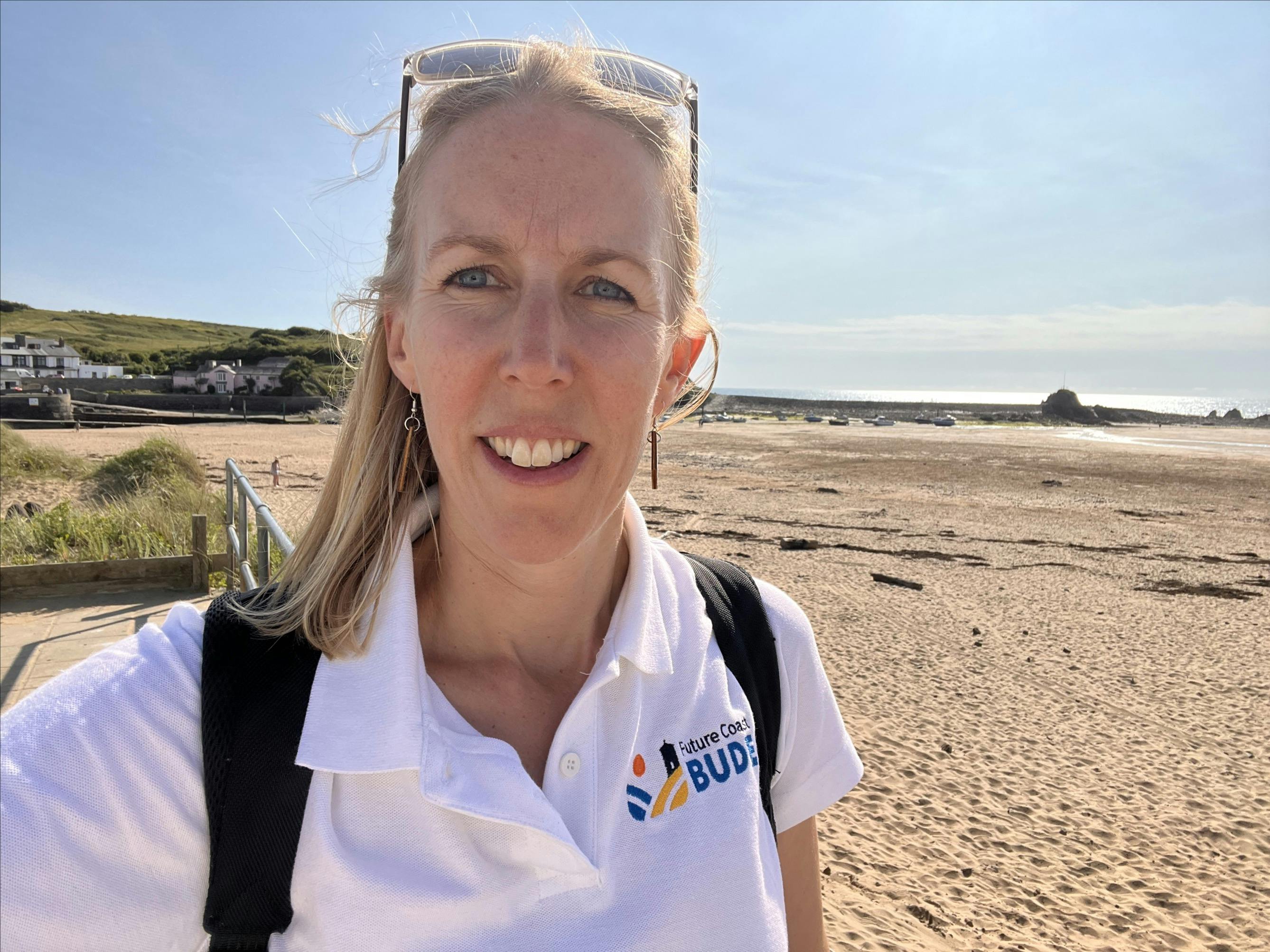
Future Coast Bude Communications and Engagement Lead
-

-
HN
Future Coast Bude Project Timeline
-
April 2025 - project start
Future Coast Bude is currently at this stageApproval from Environment Agency and Cornwall Council to commence project
-
April 2027 - project ends
this is an upcoming stage for Future Coast BudeAll consultation and projects need to have completed their delivery by this point.
News & Updates
- CoastCraft (1)
- Critical Friends Group (1)
- Events (2)
- Gabions (1)
- Historic information (1)
- Monthly updates (5)
- Park and Ride pilot (1)
- Sand Rails Access Work Update (16)
- Sand Recycling (3)
- Shifting Shores: Postcard Design Competition (1)
- Youth Board (5)
Critical Friends Group presentations
Explore Bude's Coast
Future Coast Bude projects - have your say supporting information
-
Potential coast path routes.pdf (713 KB) (pdf)
-
Potential location of beach huts at Summerleaze.pdf (643 KB) (pdf)
-
Potential location of beach huts Crooklets.pdf (693 KB) (pdf)
-
Potential location of modular toilets at Crooklets.pdf (428 KB) (pdf)
-
Potential location of modular toilets at Summerleaze.pdf (892 KB) (pdf)
-
Potential locations of canal side beach huts.pdf (562 KB) (pdf)
-
Potential plans for Crooklets over flow car park.pdf (1000 KB) (pdf)
-
Potential project locations.pdf (2.05 MB) (pdf)