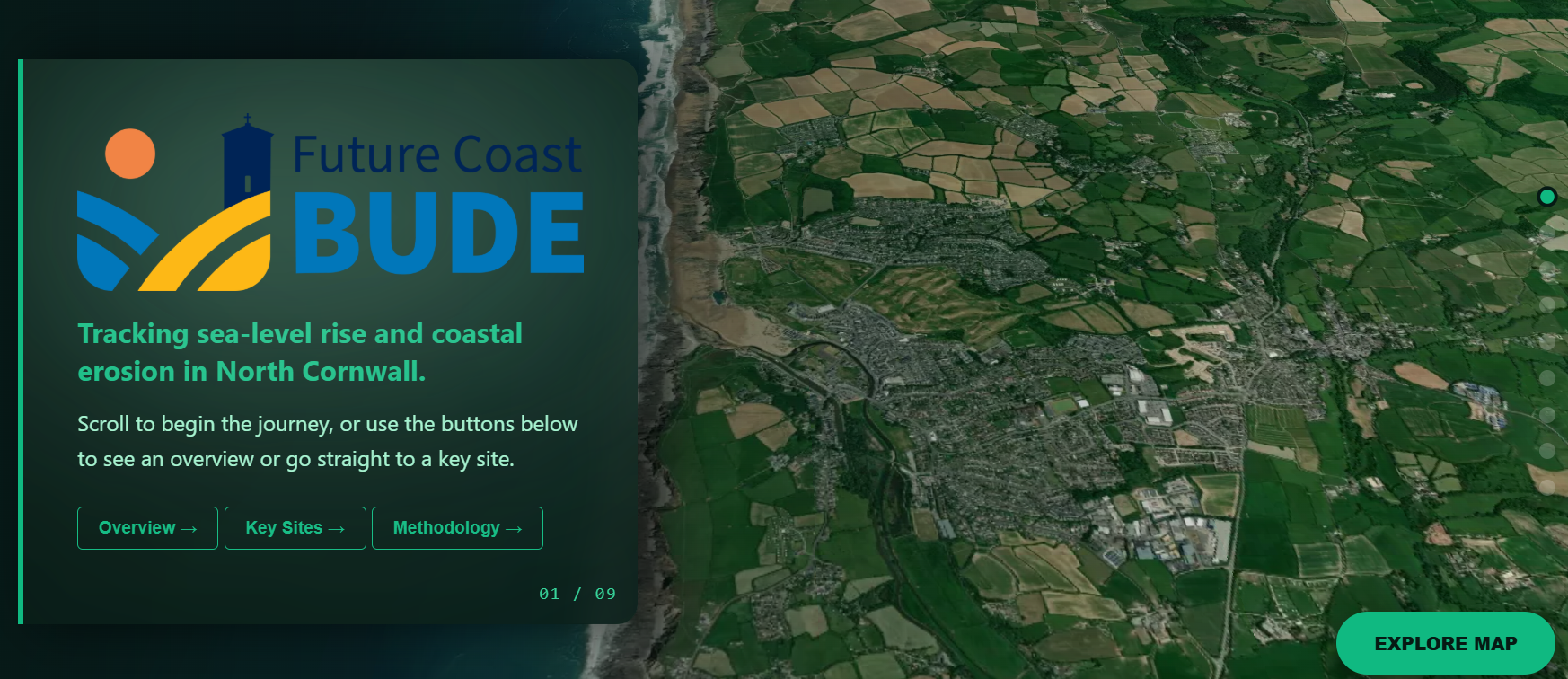
Future Coast Bude

Share Future Coast Bude on Facebook Share Future Coast Bude on Twitter Share Future Coast Bude on Linkedin Email Future Coast Bude link

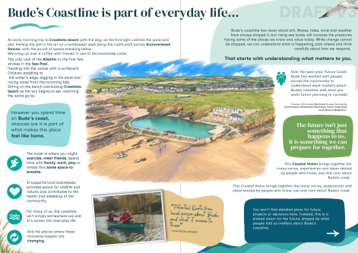
We’re working with the community to create a Coastal Vision for Bude.

This will set out shared priorities for how our coastline should adapt to the challenges of coastal change, now and in the future.

To help shape this, we’re inviting residents to take part in a series of Community Conversations.

The Coastal Vision will reflect what matters most to people living and working in Bude.

It will help guide future plans and decisions about our coastline, including how we respond to coastal change.

Before asking for your views, we want to make sure everyone has the opportunity to learn

We’re working with the community to create a Coastal Vision for Bude.

This will set out shared priorities for how our coastline should adapt to the challenges of coastal change, now and in the future.

To help shape this, we’re inviting residents to take part in a series of Community Conversations.

The Coastal Vision will reflect what matters most to people living and working in Bude.

It will help guide future plans and decisions about our coastline, including how we respond to coastal change.

Before asking for your views, we want to make sure everyone has the opportunity to learn more about the challenges and opportunities facing our coast.

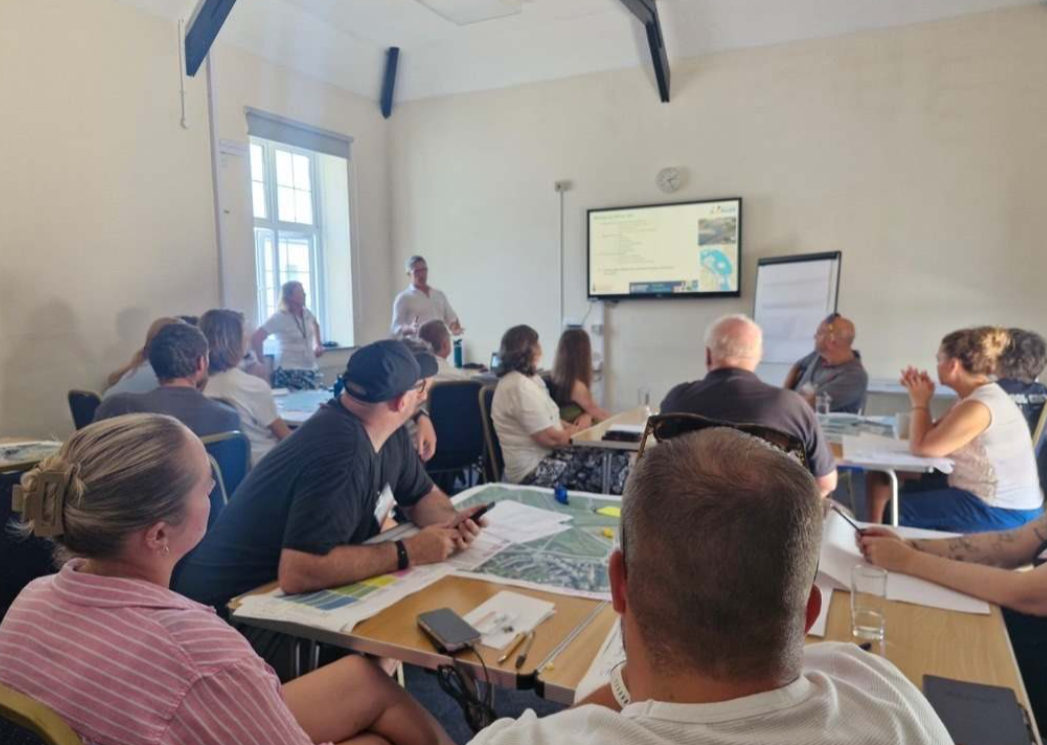
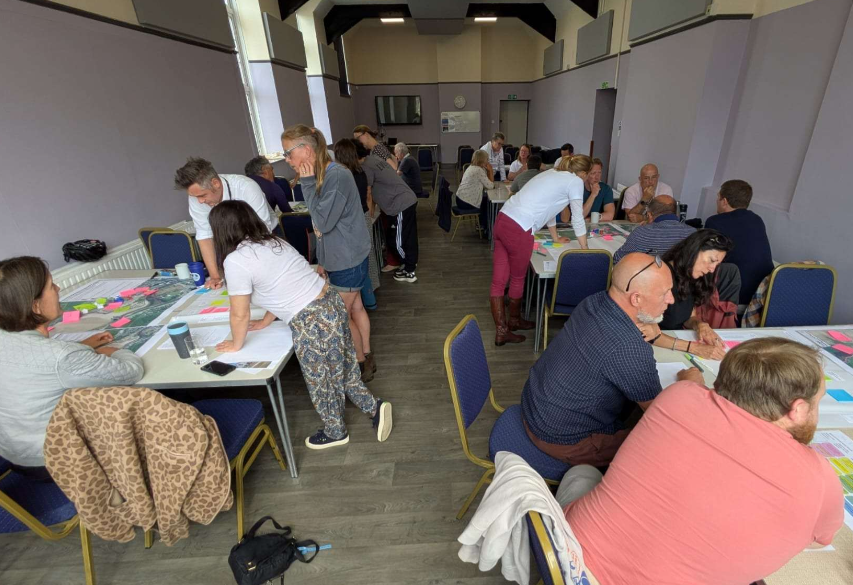
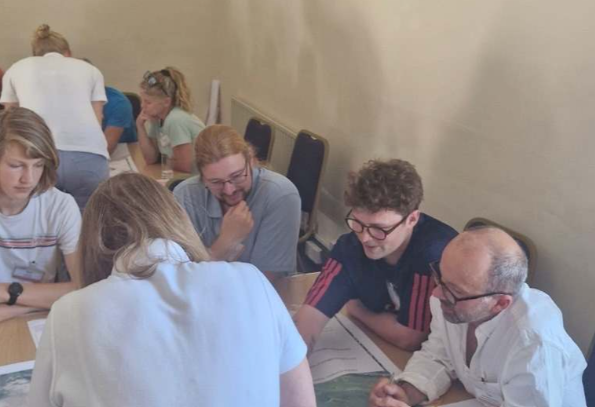
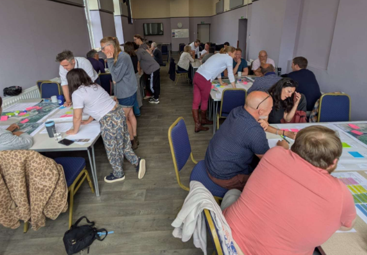
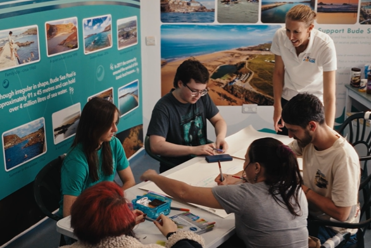
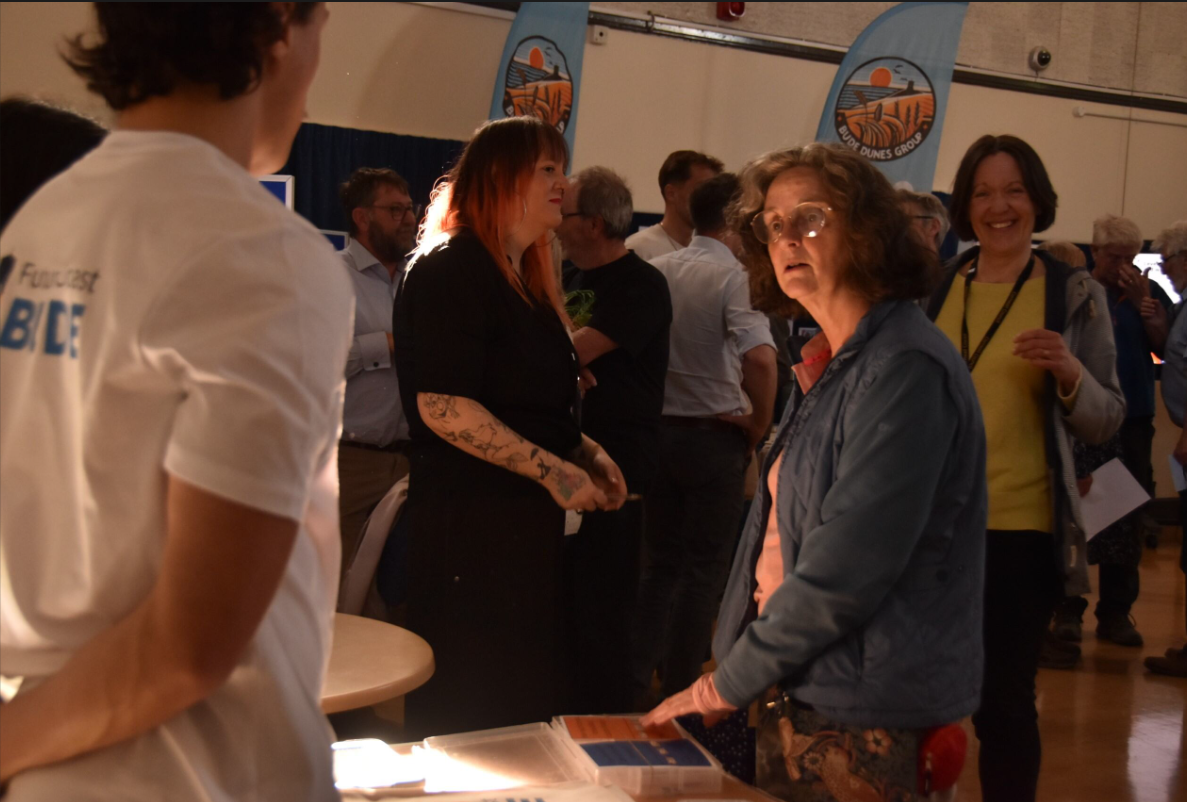
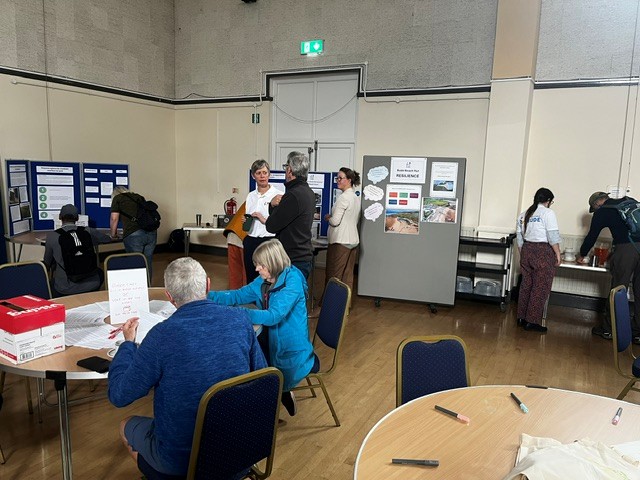
Community Conversations are relaxed, drop-in sessions where you can:

  • learn more about coastal change
  • explore information at your own pace
  • speak to people involved in the project
  • ask questions
  • share your thoughts and ideas

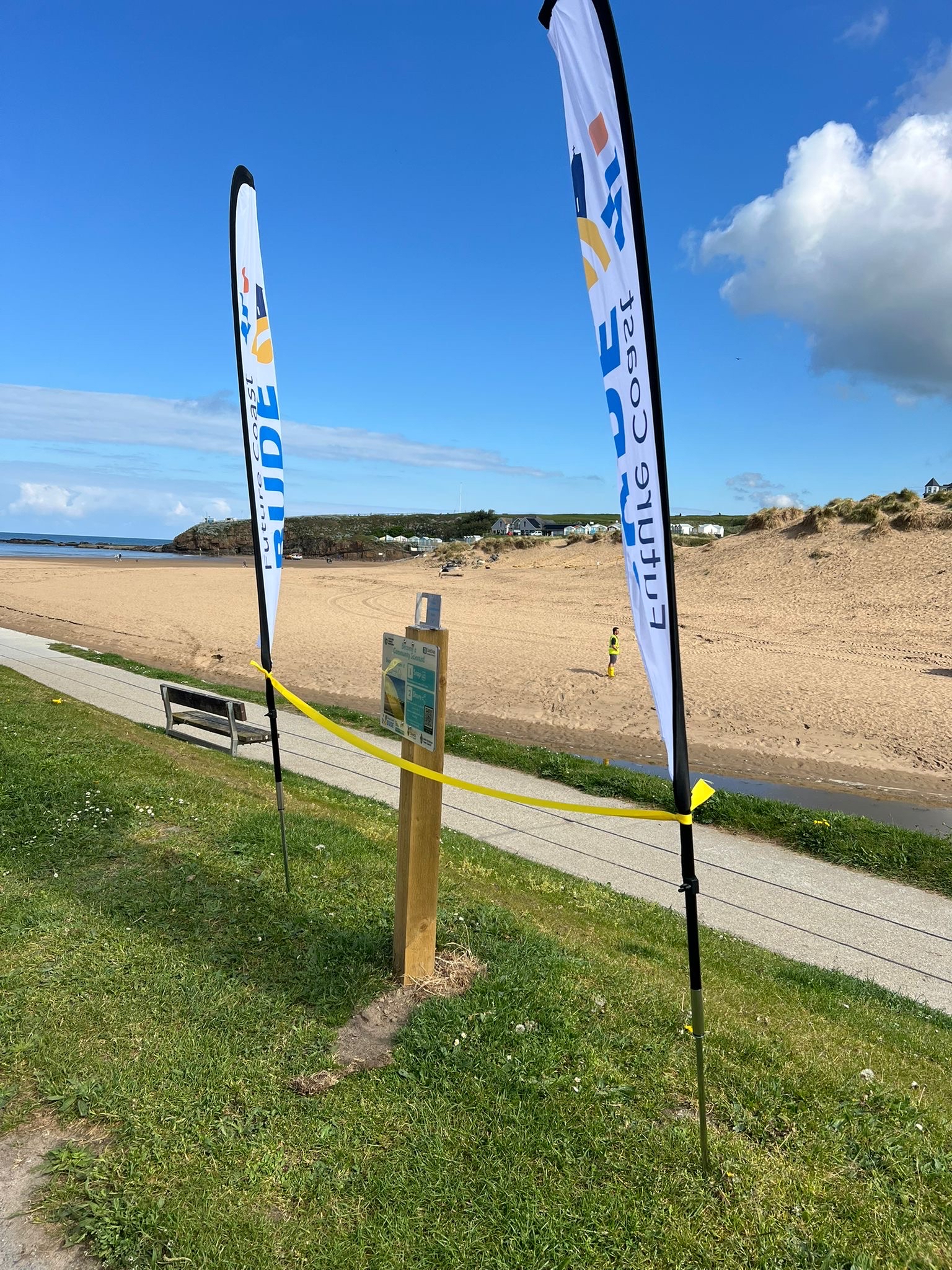
In the lead up to these events, you may also see us out and about in the community sharing information and starting conversations in different locations.

You don’t need any prior knowledge. Just come along, learn something new and take part in a way that suits you.

Thursday 23 April, 4pm - 7pm

Ivor Potter Hall, Parkhouse Centre

Join us to explore the history of the coast, find out how our coastline is changing and learn more about the Future Coast Bude project.

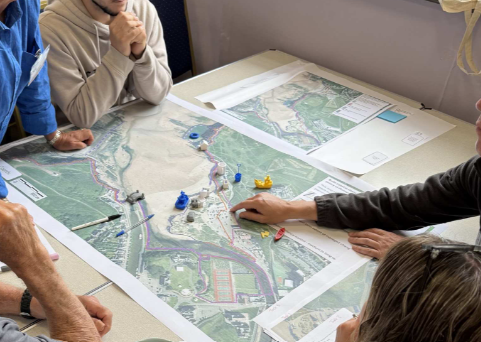
You’ll be able to watch short films, explore interactive maps, speak to experts, ask questions and share your initial thoughts.


Saturday 9 May, 10am - 2pm

Ivor Potter Hall, Parkhouse Centre

This session will focus on gathering community views and priorities to help shape the Coastal Vision.

More details will be shared soon.


About the Future Coast Bude Project

The Future Coast Bude project is funded by Defra as part of the £200 million Flood and Coastal Innovation Programme (FCIP), which is managed by the Environment Agency. The programme will drive innovation in flood and coastal resilience and adaptation to a changing climate. Future Coast Bude is one of several projects around the country funded through the Coastal Transition Accelerator Programme (CTAP) portion of this fund.

The approach to how we address a changing coastline for Bude (and the country) are set out in national plans known as the Shoreline Management Plan. The aim of Future Coast Bude is to encourage the more sustainable use and development of the coastal fringe in line with the national plan, whilst considering the social and economic challenges presented by a naturally changing coastal environment.

What is the Coastal Transition Accelerator Programme (CTAP)?

The Coastal Transition Accelerator Programme (CTAP) helps communities to plan for coastal change in the long term, including:

  • interventions such as improving and replacing damaged community infrastructure like beach access or coastal transport links,
  • repurposing land in coastal erosion zones for different uses, and
  • restoring and creating habitats to include green buffer zones.

Local authorities in the South West have been allocated £6 million in funding to improve the resilience of communities to the effects of coastal erosion and benefit the local economy. Bude is one of only two communities in the South West who will share this funding. For Bude the project will be delivered by Cornwall Council supported by the Environment Agency.

What can the £3 million funding be used for?

The funding can be used to promote adaptation actions to help communities transition away from an eroding coastline. Things the Future Coast Bude funding can be spent on include:

  • Moving structures, amenities and properties away from risk at the coast
  • Changing land use in areas vulnerable to coastal erosion
  • Making changes to community infrastructure, such as car parks or toilet blocks, so that the impact of coastal erosion on them is minimised
  • Looking into how funding can be secured for changes that will need to be made to adapt to a changing coastline
  • Working with the planning authority to ensure coastal change is taken into account
  • Working with businesses, community groups, as well as the wider public to help inform decisions.

Is there anything the funding can't be spent on?

The funding has been allocated to allow communities to adapt to change. It can be used in locations where the Shoreline Management Plan (SMP) policy is for Managed Realignment (MR). i.e. Summerleaze and Crooklets

The programme will not fund:

  • The building of any new flood defences
  • Any activity in areas where the Shoreline Management Plan policy is for ‘Hold the Line’ (HTL) i.e work to the breakwater
  • Activities that should take place as Business as Usual or routine maintenance
  • Any work to address damage caused by storm
  • Any work to undertake coastal clean up

What sort of thing might Future Coast Bude deliver?

Future Coast Bude will explore with the community a plan for coastal change. This will include:

  • The development of a Coastal Change Management Plan (CCMP). This is designated through the Local Plan and is required where changes are expected to the coast in the next 100 years.
  • The introduction of a Coastal Change Management Area (CCMA) in areas not identified as ‘Hold the line’ in the Shoreline Management Plan. This can then be used to inform planning and management decisions in the future.
  • Undertaking a transport and accessibility study which will help to determine how and when people access the beaches and local areas in Bude and how this can be improved in the future.
  • Making plans for the future for infrastructure on the coast that may be impacted by sea level rise and coastal erosion.

Other opportunities that will be explored with the community include the potential:

  • Relocating of public facilities to alternative locations to make sure they can still be used by the public in the future
  • Relocating emergency services facilities, so that they can remain operational in the future
  • Designing facilities in the future in a way that will help them adapt and respond to climate change (for example the Gig Club has been designed so it can be relocated)
  • Decommissioning parts of the carpark which are currently covered by the dunes
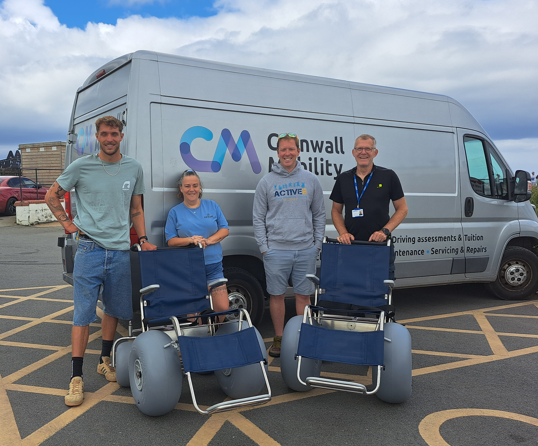
  • Improving accessibility to and at the coast.

  • Project update - March 2026

    Share Project update - March 2026 on Facebook Share Project update - March 2026 on Twitter Share Project update - March 2026 on Linkedin Email Project update - March 2026 link


    Coastal Vision

    Taking into account feedback from the survey and working with the Youth Board, the project team have been planning for Community Conversation events.

    The first of these will be taking place on Thursday 23 April from 4-7pm in the Ivor Potter Hall at the Parkhouse Centre. This first session will:

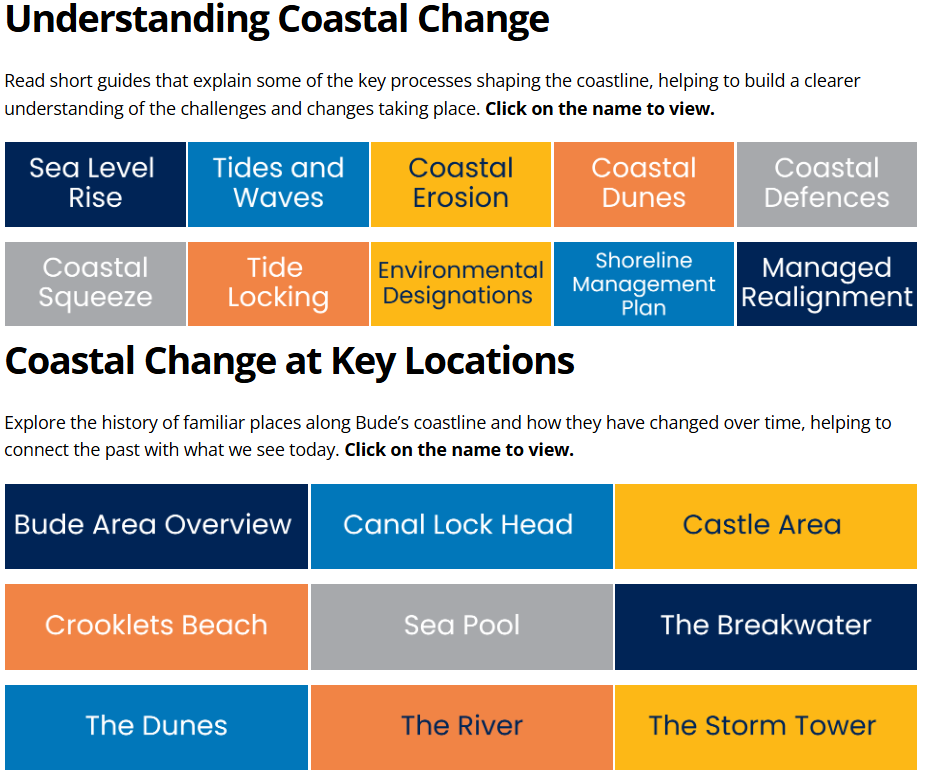
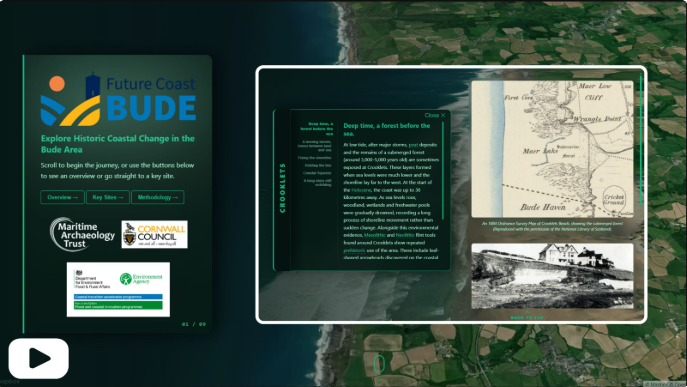
    • Give you a chance to come and explore the history of the coast in Bude, using the Maritime Archaeological Trust’s story map.
    • Watch the Premiere of the films produced by the 2 Minute Foundation.
    • Find out more about the Future Coast Bude project and what we have been working on.
    • Learn about how we want to work with you to plan for the future.

    Look out for more information about the events, coming soon.


    2 Minute Foundation Films

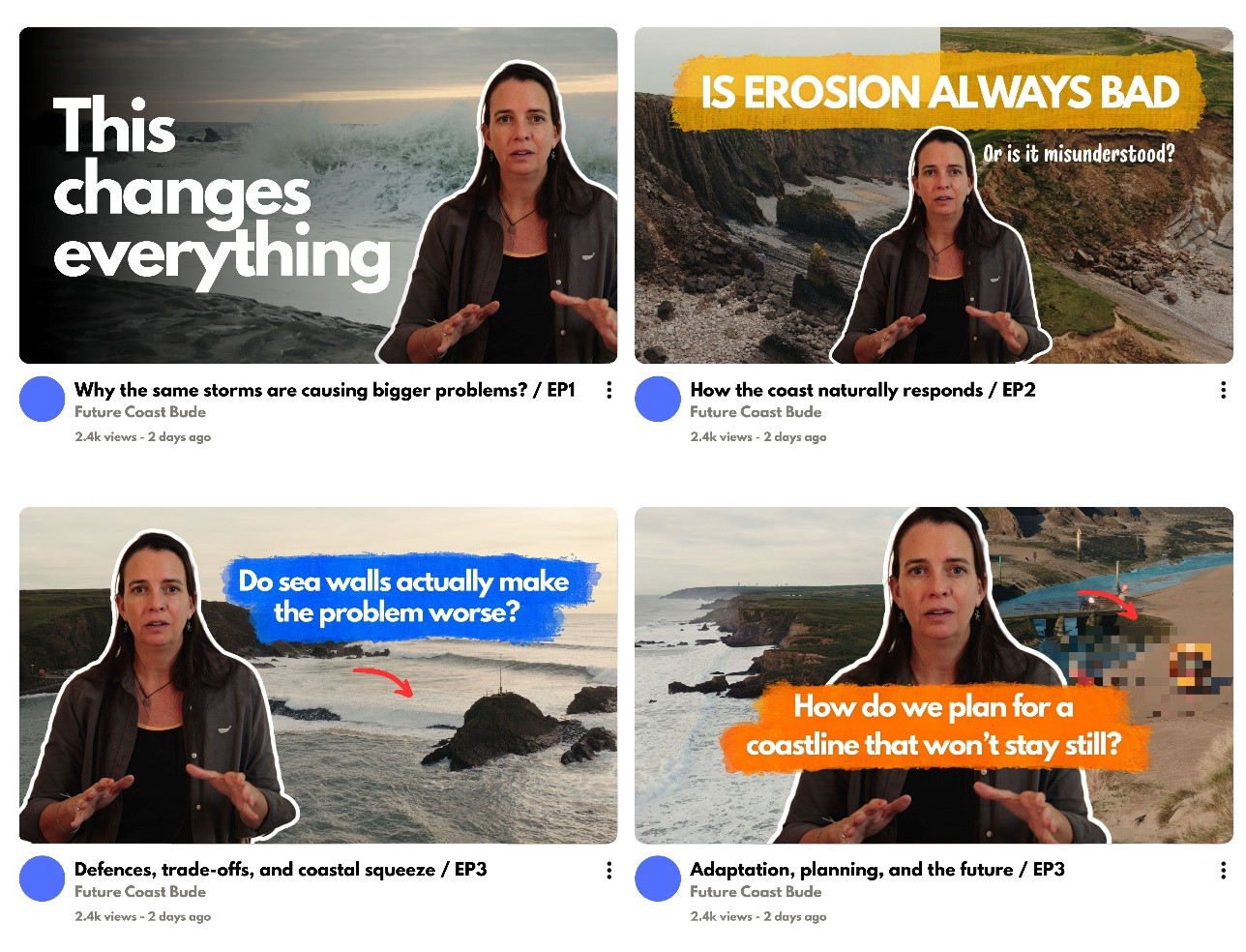
    At the Community Conversation event on 23 April, you will be able to watch films about:

    1. How the same storms are causing bigger problems
    2. How the coast naturally responds
    3. Defences, trade offs and coastal squeeze
    4. Adaptation planning and the future
    Look out for a trailer for the films coming out very soon.


    The Youth Board

    The Youth Board have now completed their training and are fully involved in the project. They are:

    • Helping us deliver the Community Conversation events.
    • Developing ideas for getting younger people involved in the conversation about the future of the coast in Bude.

    You can read more about the Youth Board here: Future Coast Bude | Let's Talk Cornwall
    Sand recycling

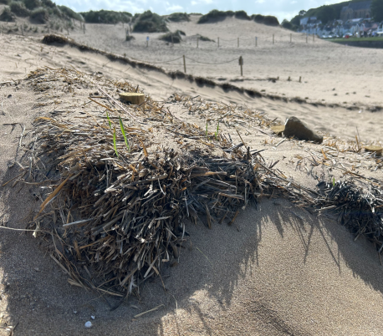
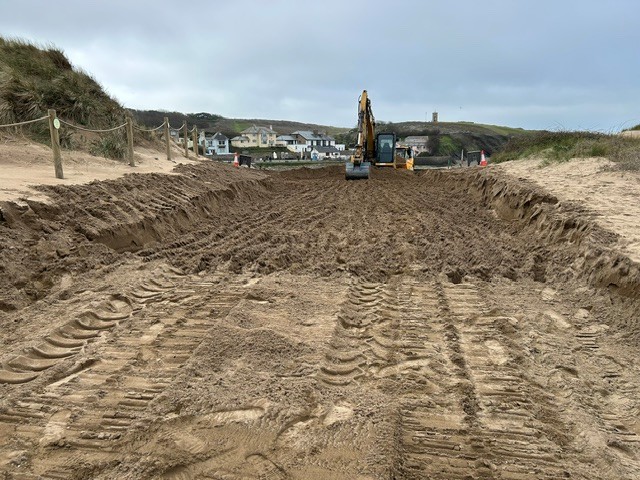
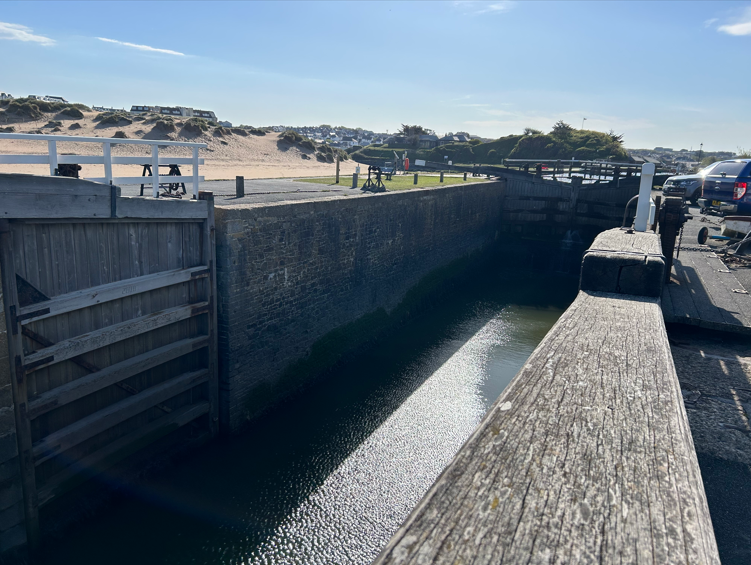
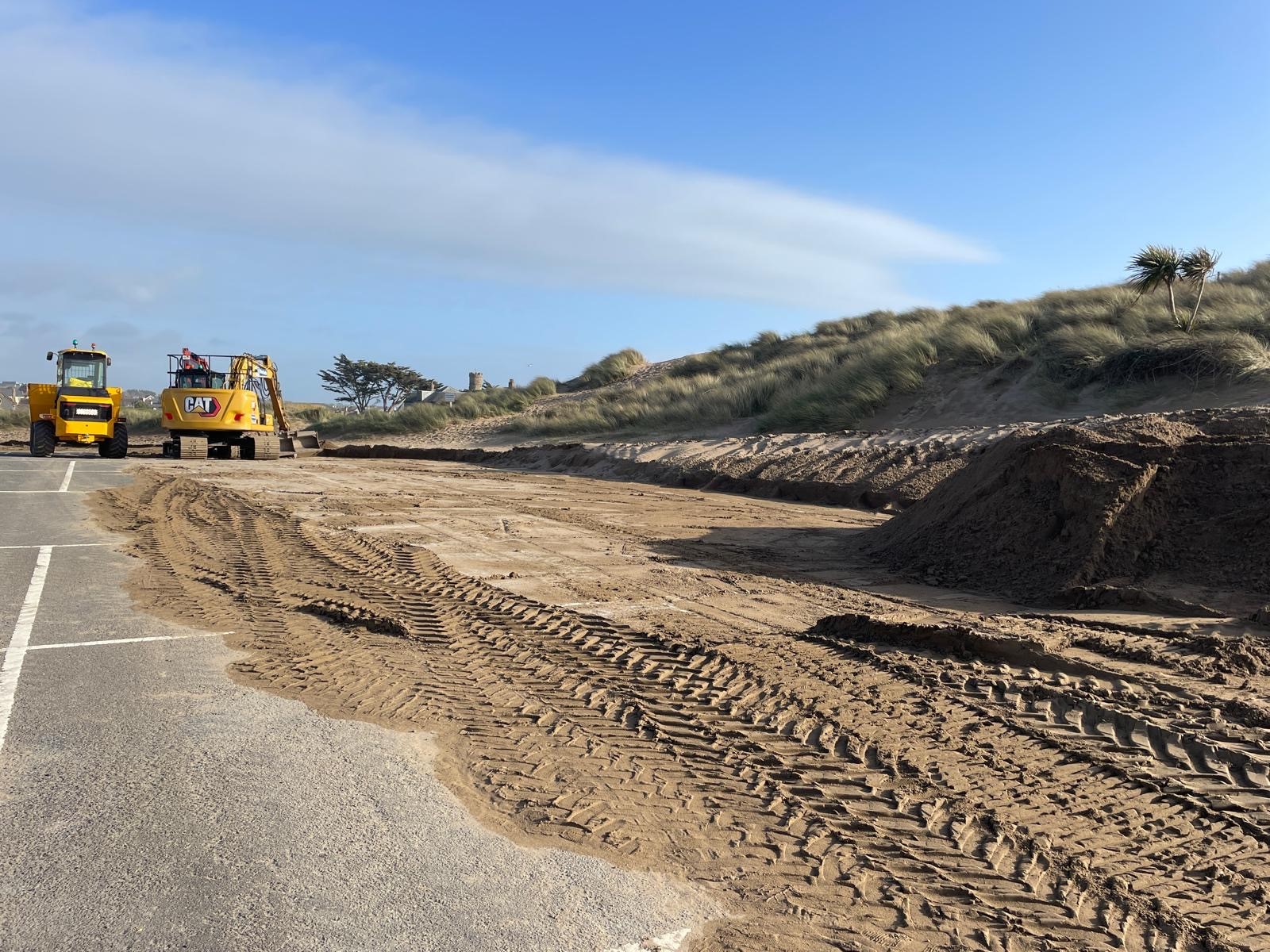
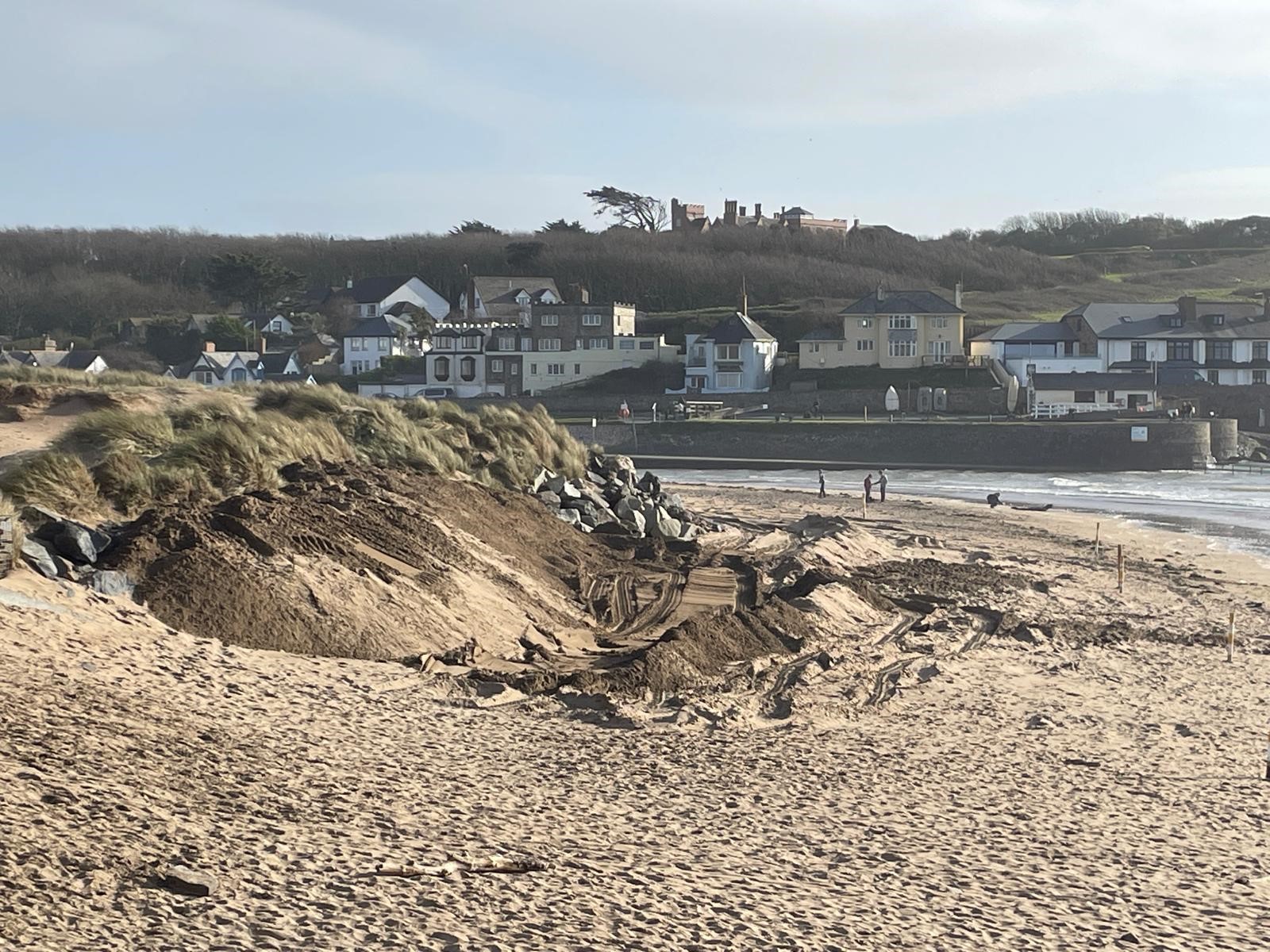
    Work to move some of the wind-blown sand on Summerleaze car park onto the front of the dune started on Monday 30 March. This is a Cornwall Council Car Parking Services project, which Future Coast Bude have helped to facilitate.

    The work is being done to ensure the sand remains within the dune, whilst buying time to come up with a plan for the future as part of the Coastal Vision.

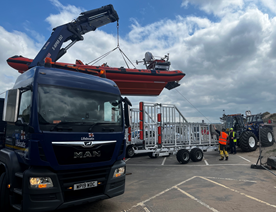
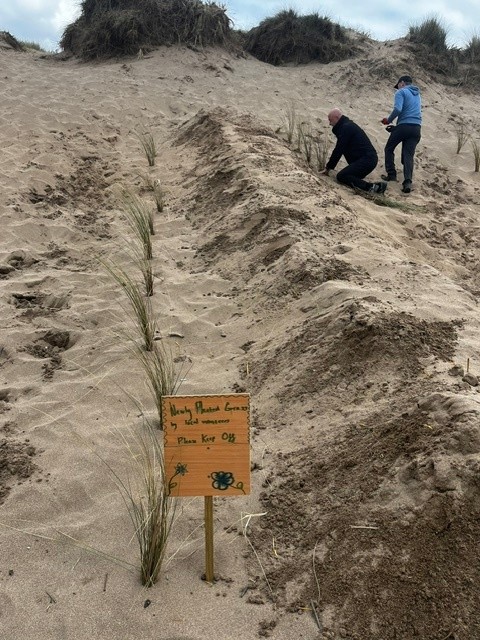
    The project is also working closely with the RNLI and Dunes Group to try and make adjustments to the southern access route. Work will be undertaken by the Dunes Group and other volunteers from April, to try and stabilise parts of the dune to reduce the amount of sand that is blown into the car park. You can read more about sand recycling here: Future Coast Bude | Let's Talk Cornwall


  • Summerleaze Sand Recycling & Dune Care Plan (2026–2027) – March 2026 update

    Share Summerleaze Sand Recycling & Dune Care Plan (2026–2027) – March 2026 update on Facebook Share Summerleaze Sand Recycling & Dune Care Plan (2026–2027) – March 2026 update on Twitter Share Summerleaze Sand Recycling & Dune Care Plan (2026–2027) – March 2026 update on Linkedin Email Summerleaze Sand Recycling & Dune Care Plan (2026–2027) – March 2026 update link

    25 March 2026

    Sand recycling work will be starting at Summerleaze week commencing Monday 30 March 2026

    Cornwall Council and Bude & Stratton Town Council are working together on a short‑term programme to manage wind‑blown sand at Summerleaze Beach while strengthening the long‑term health of the dune system.

    This work forms part of the Future Coast Bude project and will run from March 2026 to March 2027.

    Community consultation about the future of the coast will be taking place during this time and will help shape the long-term plan for the coastline here. For background about this work information can be found here: Summerleaze Sand Recycling & Dune Care Plan (2026–2027) – January 2026 update | Future Coast Bude | Let's Talk Cornwall

    What work is happening?

    Local contractors JB Groundworks and Utilities will be moving the wind blown-sand off a number of the car parking spaces in Summerleaze car park and moving this sand onto the front of the sand dune.

    The work is expected to take around 4 days with work planned to be completed in advance of the Easter weekend.

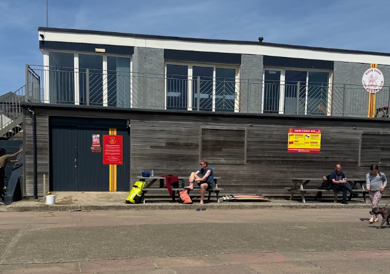
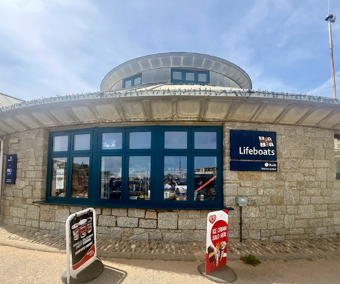
    During this time, machinery will be used to move sand which has blown onto car parking spaces and will be moved through the beach access way to the south of RNLI building. It will then be relocated onto the rock armour (large boulders) which are on the seaward side of the dune. The contractor will work from north to south - placing sand close to the northern access route first, and working southwards along the line of rock armour.

    You will see a digger in the car park and a digger on the beach. The southern access route will be fenced off to the public whilst this work is taking place. There will also be parts of the car park that will be fenced off to keep the public safe.

    When this work is complete, the contractor will undertake minor works to the RNLI access route to try and reduce the amount of sand blowing onto the car park in the future. Alongside this, work will be undertaken to stabilise the sand in this area, by planting marram grass.

    The work is being planned closely with the RNLI and the Bude Dunes Group, and the contract will be managed by Cormac to ensure all health and safety requirements are met. Natural England have also been involved and are supportive of the proposed work.

    We remain at mercy of the weather and can’t guarantee exactly how long the reshaped front of the dune will remain looking like it does at completion of the works!

    Why is this work happening?

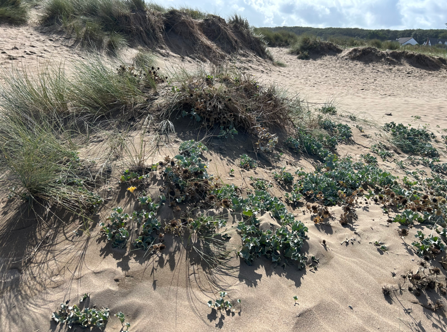
    Future Coast Bude are aware of the community's concerns about wind-blown sand on the car park. The project is working with the community to plan for a positive future for the coast in Bude and understands that the sand dunes at Summerleaze are likely to be a key part of the community’s vision for Bude. Sand dunes are not only a protected habitat, they also offer great protection from the waves that come in off the Atlantic. Sand dunes are also a key source of sand that feeds the beach at Summerleaze – making it soft and sandy, compared with Crooklets, which doesn’t have sand dunes.

    The project hopes to work with the community to plan for adaptation, but it recognises that until this plan is in place, the pressure on car parking in the town is a concern for local people.

    Cornwall Councillor Peter LaBroy said “It is great that the Future Coast Bude project have listened to the concerns of the community and that they have been able to facilitate this work, which buys the community some time to plan properly for a positive future for the coastline of Bude. I would encourage everyone to get involved in the Community Conversation events, which will be being run in the coming months”.

    Over the next 12 months, whilst a clear plan for the future is being developed, sand on the car park will continue to be recycled (by moving it to the front of the dune) to ensure it is kept in the sand dunes and offers protection and sediment supply to the beach. As part of the Coastal Vision, a longer-term plan for Summerleaze car park will be developed by the community, which will consider how best to adapt a very man-made environment in the future.

  • Future Coast Bude Youth Board takes part in coastal change training session

    Share Future Coast Bude Youth Board takes part in coastal change training session on Facebook Share Future Coast Bude Youth Board takes part in coastal change training session on Twitter Share Future Coast Bude Youth Board takes part in coastal change training session on Linkedin Email Future Coast Bude Youth Board takes part in coastal change training session link

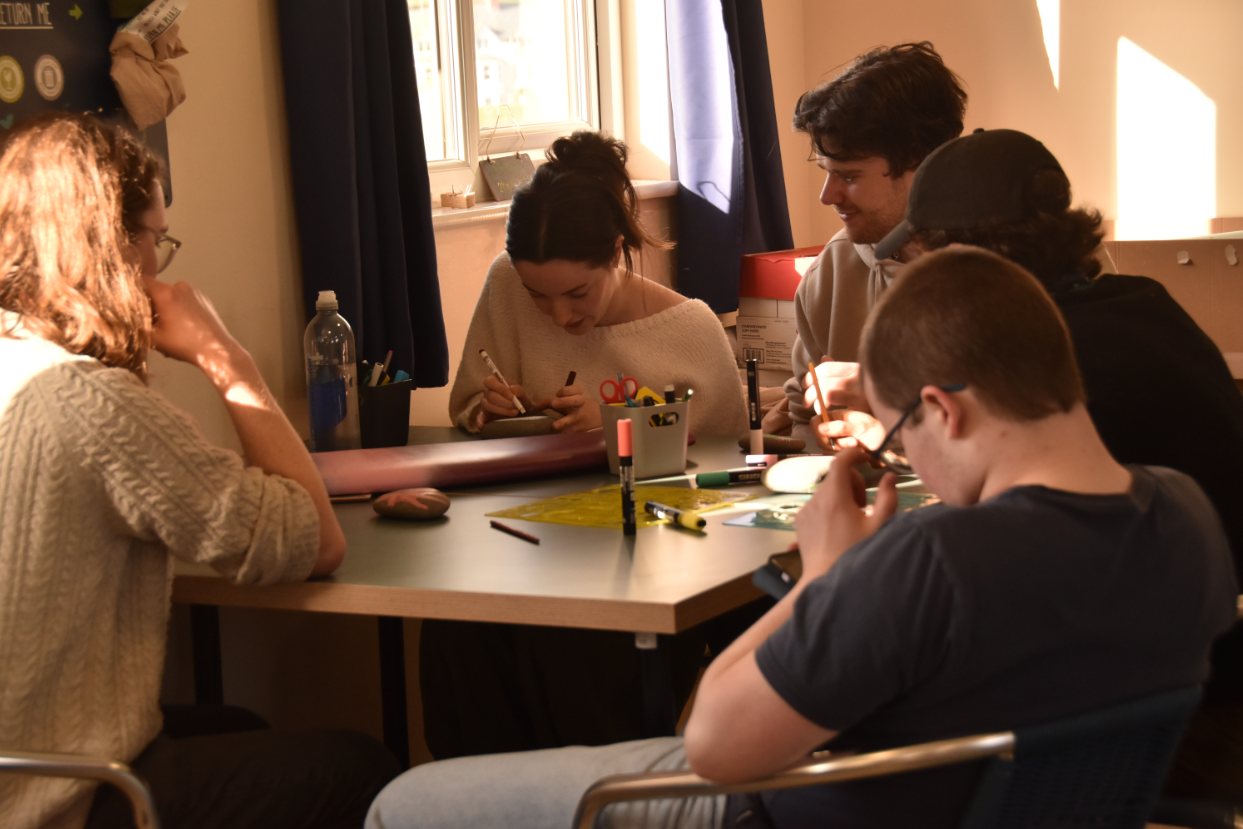
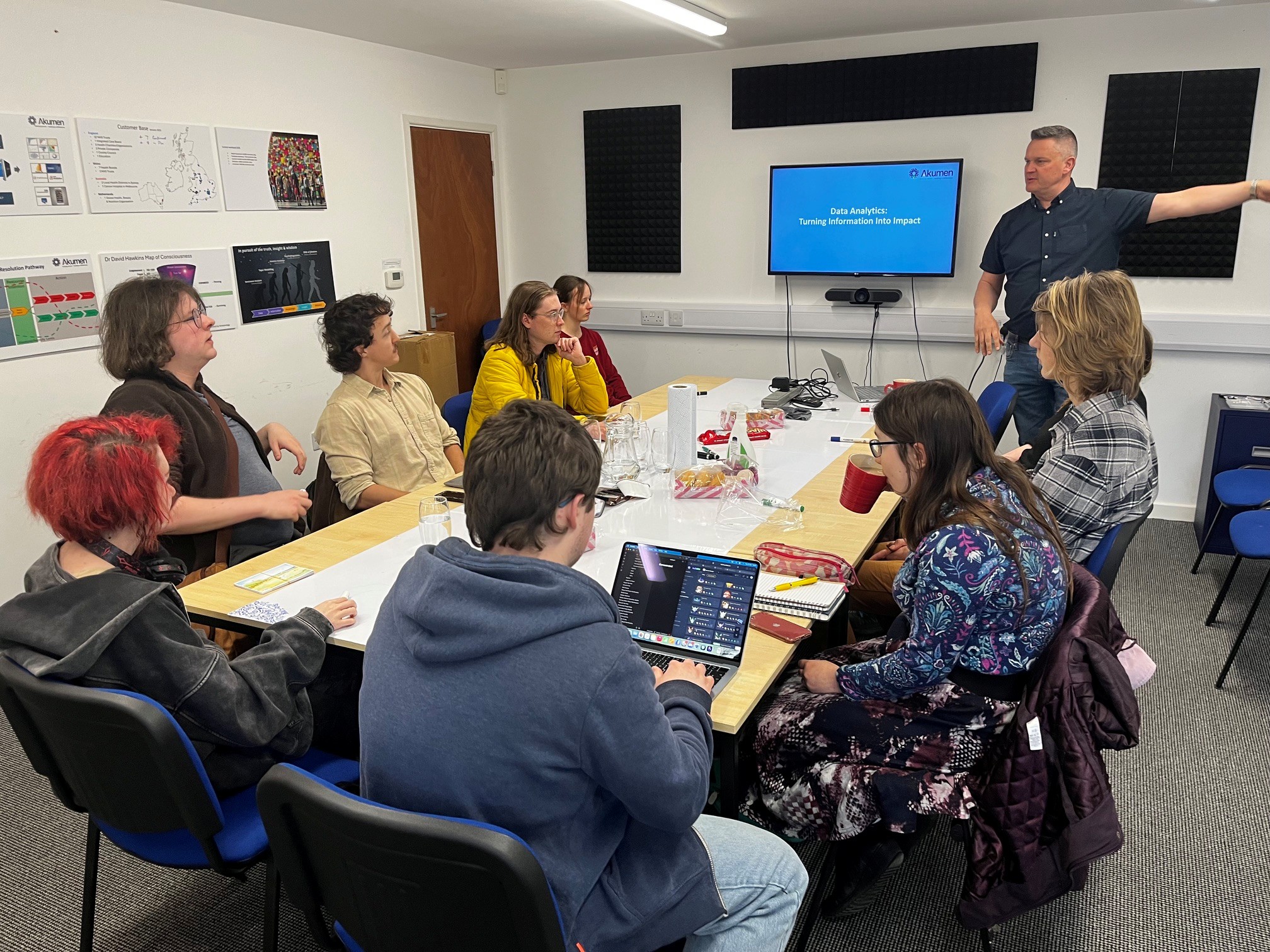
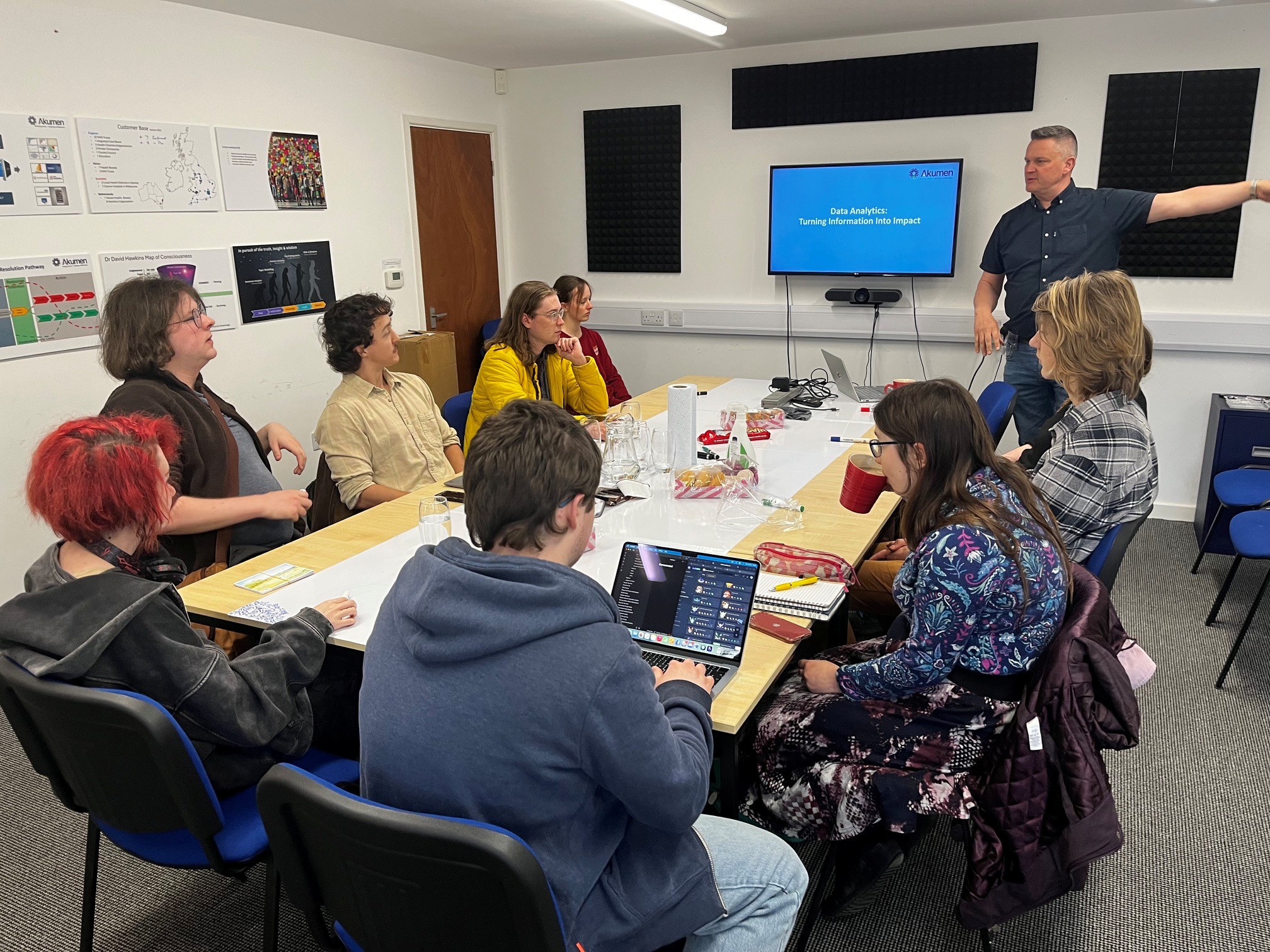
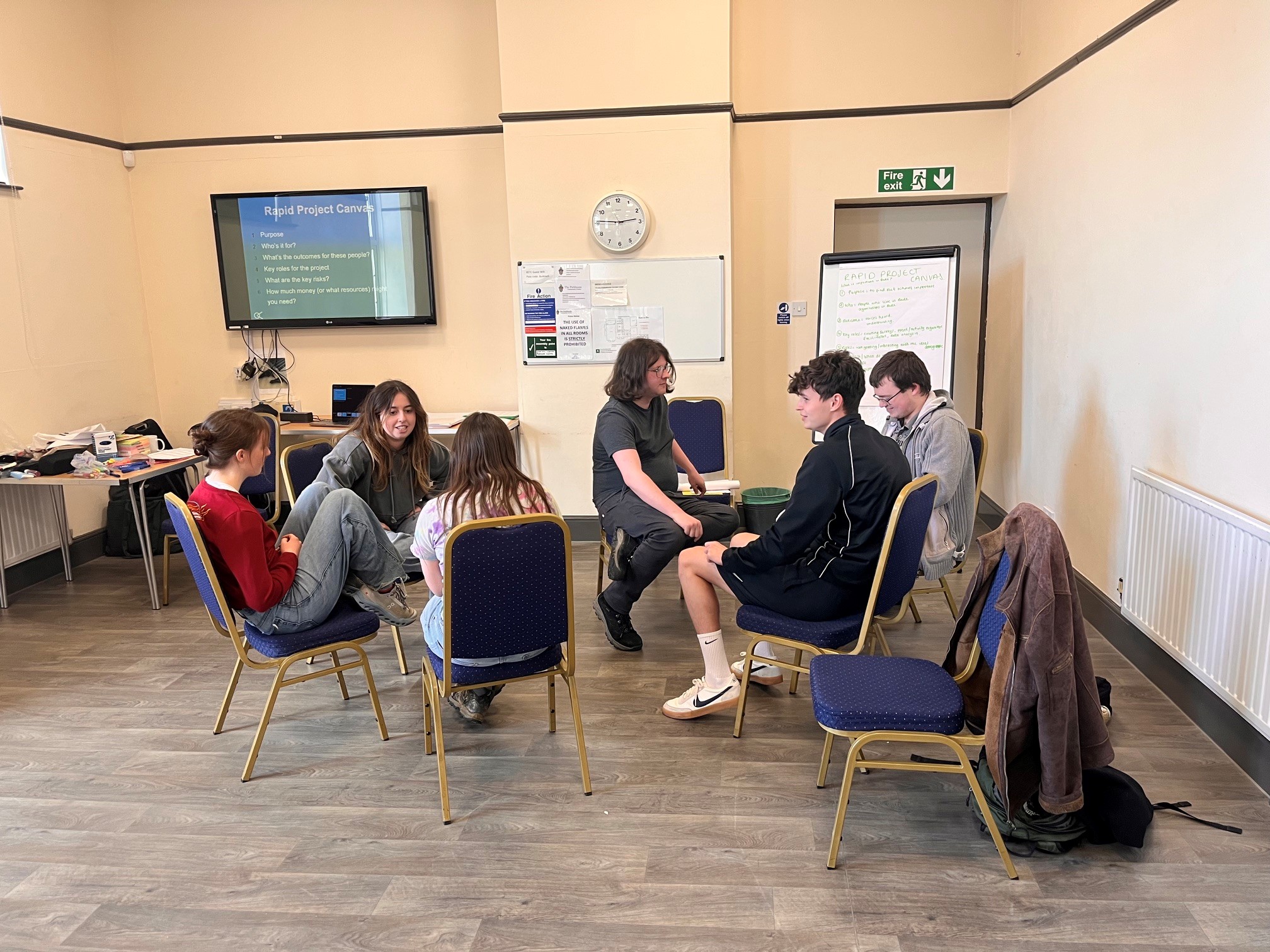
    The Future Coast Bude Youth Board, made up of 18 local young people aged 16 to 30, took part in a dedicated training session this weekend. This session was designed to equip them with the skills and knowledge about the coastline in Bude, needed to support the Future Coast Bude project.

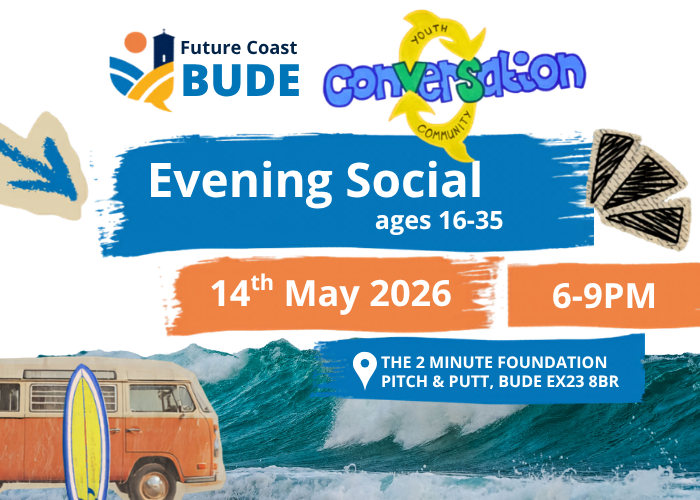
    The Youth Board was established to ensure younger voices are represented in a project that will have long‑term impacts on the community. Engagement with the project to date has largely come from older residents, who often have more time and confidence to participate in public forums. The Youth Board is now developing creative ways to reach and involve their peers aged 16–30, with several exciting ideas already in motion.
    A key theme emerging from the project’s community survey earlier this year was the need for clearer information about how the coastline is changing and what drives those changes. In response, Future Coast Bude will soon launch a series of ‘Community Conversation’ events. These sessions will help residents explore how the coastline has evolved, what it may look like in the future, and how the project is supporting adaptation. The Youth Board will play a central role in helping to design, run, and analyse these events, supported by free training and paid work opportunities that aim to build their confidence and future employability.

    Bude-Stratton Town Councillor, Tony Gibbs, who has been supporting the project, said: "To see the Future Coast Bude Youth Board come together with such enthusiasm and energy is very exciting. The board are very keen to learn about the coastline, how it is changing and what it means for their future.

    I look forward to continuing to work with the board and Future Coast Bude to develop ideas and plans that benefit our entire community.”

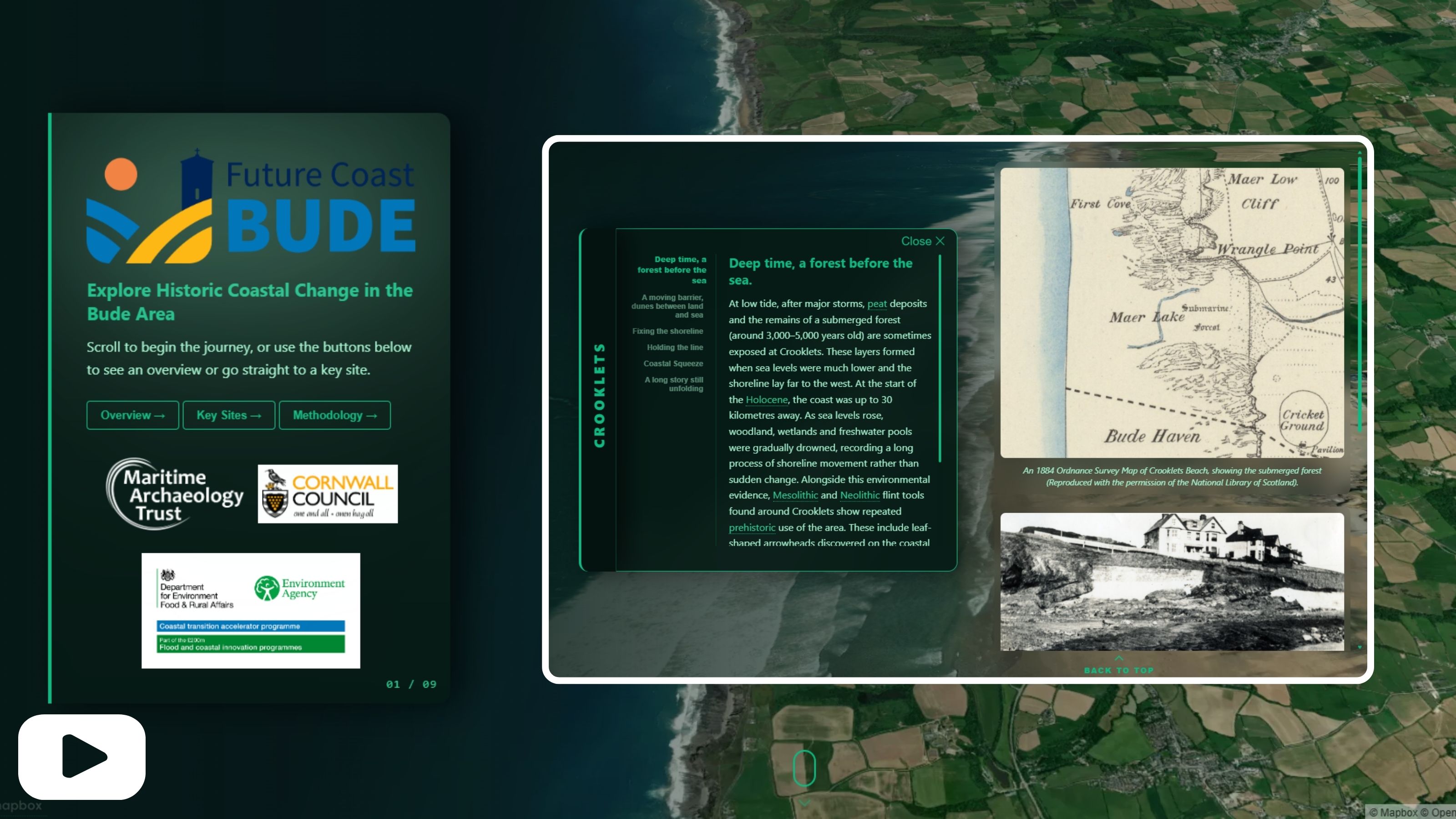
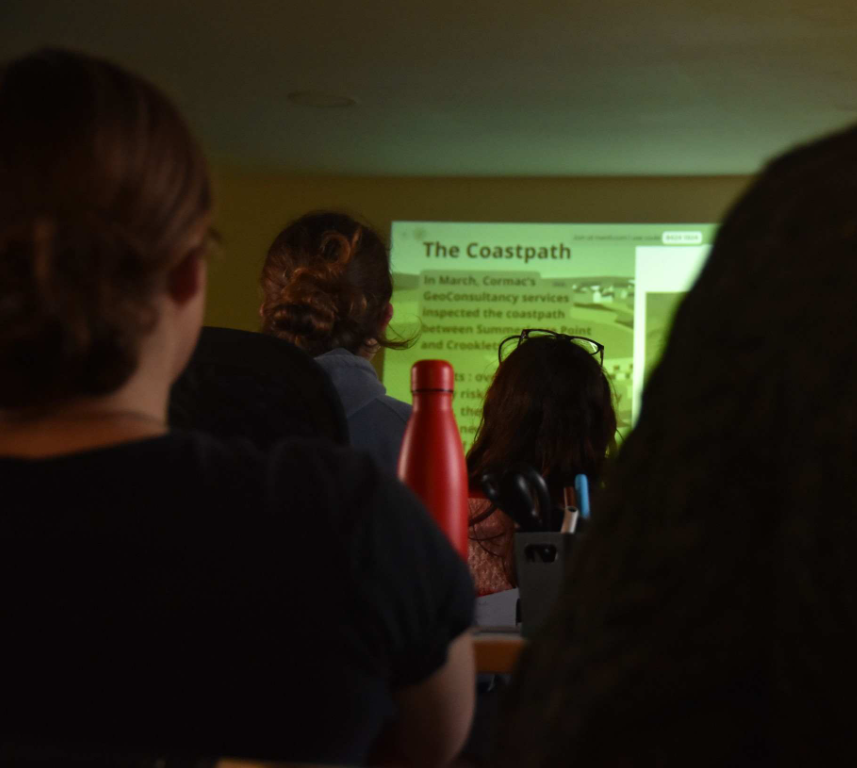
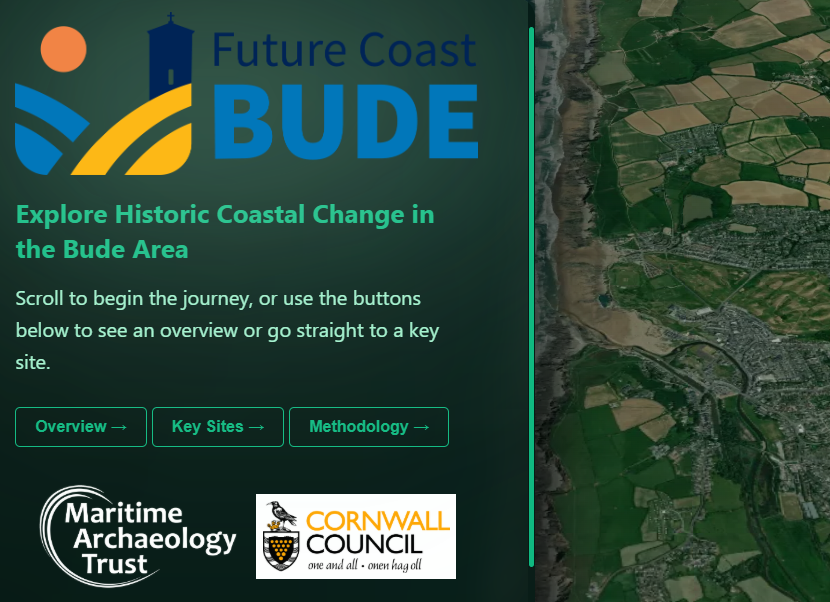
    On Saturday 21 March, the Youth Board gathered at the new 2 Minute Foundation HQ for an immersive training day focused on Bude’s unique coastline. They were introduced to a new interactive tool developed by the project, which brings together historic photos, maps, charts, and artwork of the Bude coastline. This digital resource, which is soon to be launched publicly, allows users to explore how the coastline has changed over time.

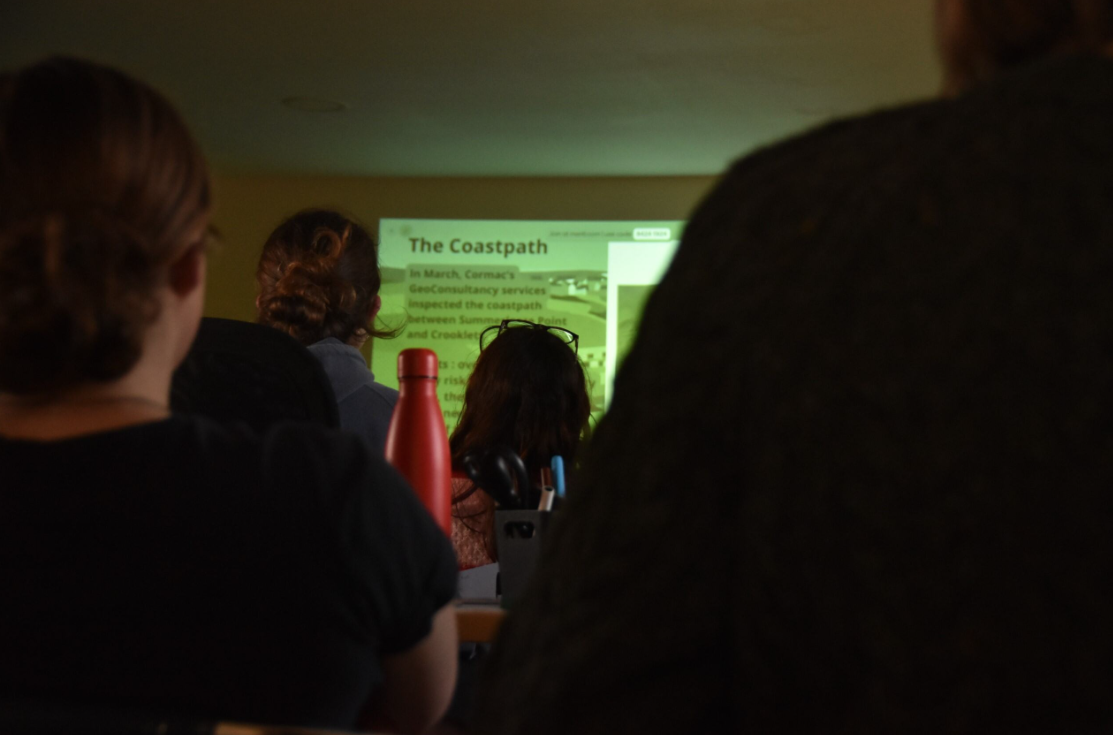
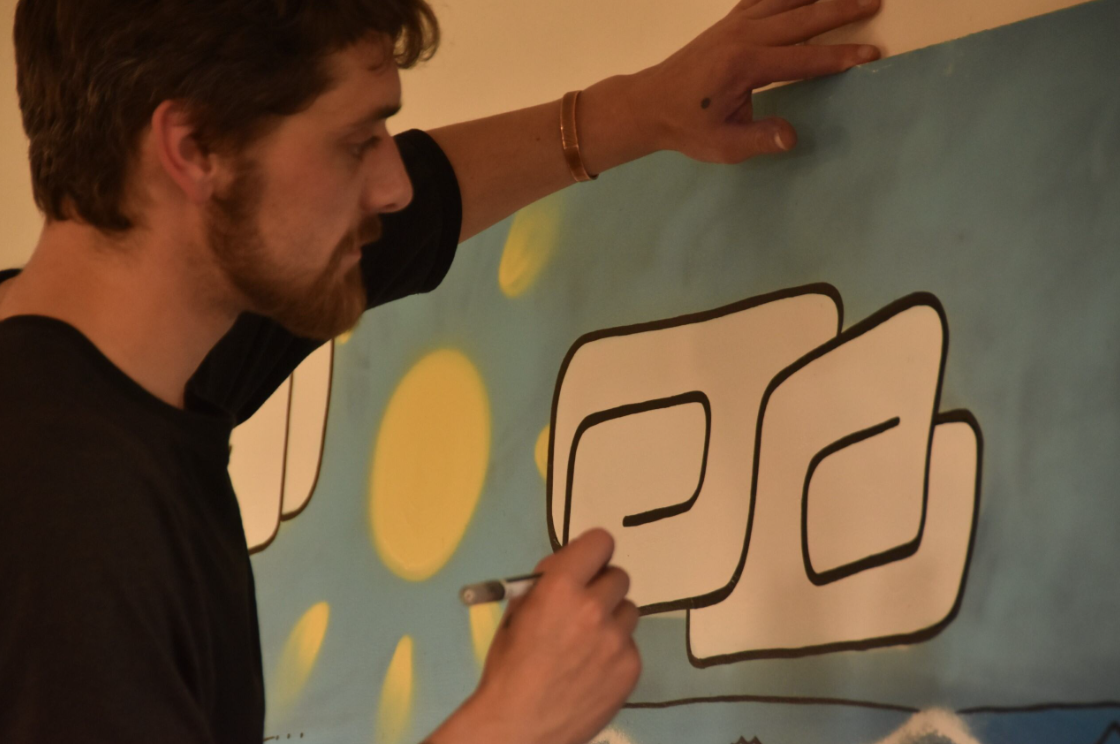
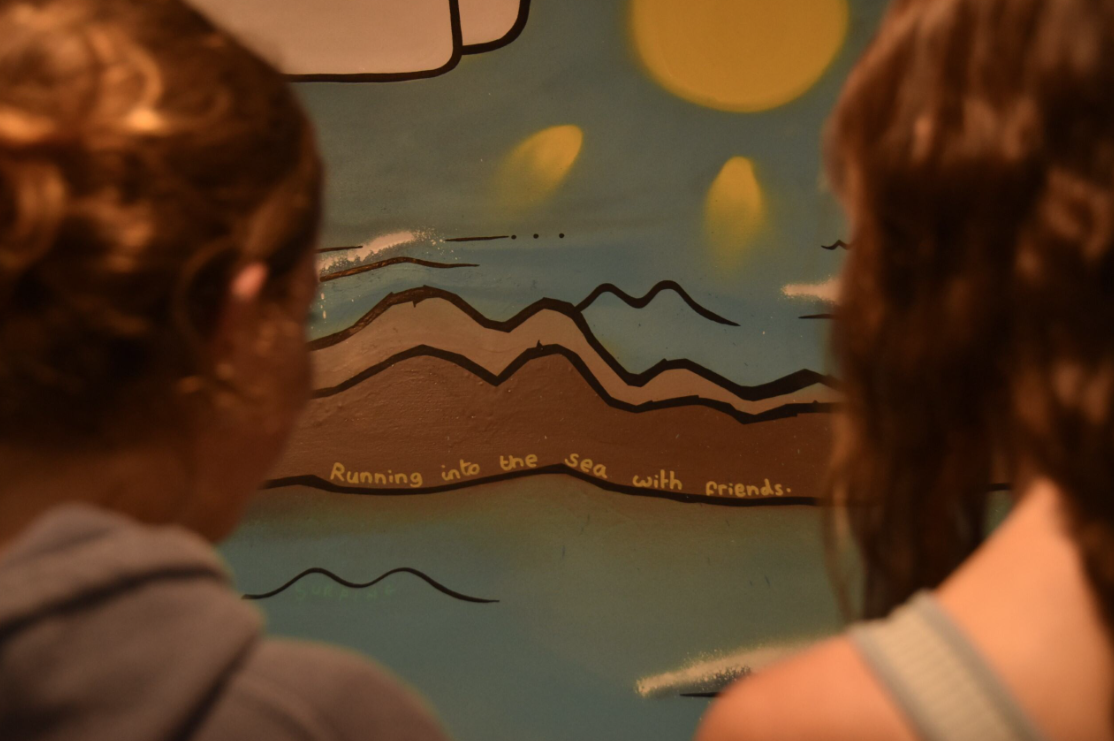
    The group also enjoyed a premiere screening of new bite‑size educational films created in collaboration with the 2 Minute Foundation. These short films explain the natural processes shaping Bude’s coastline in an accessible and engaging way.

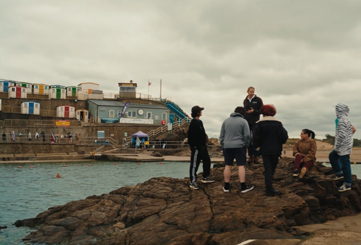
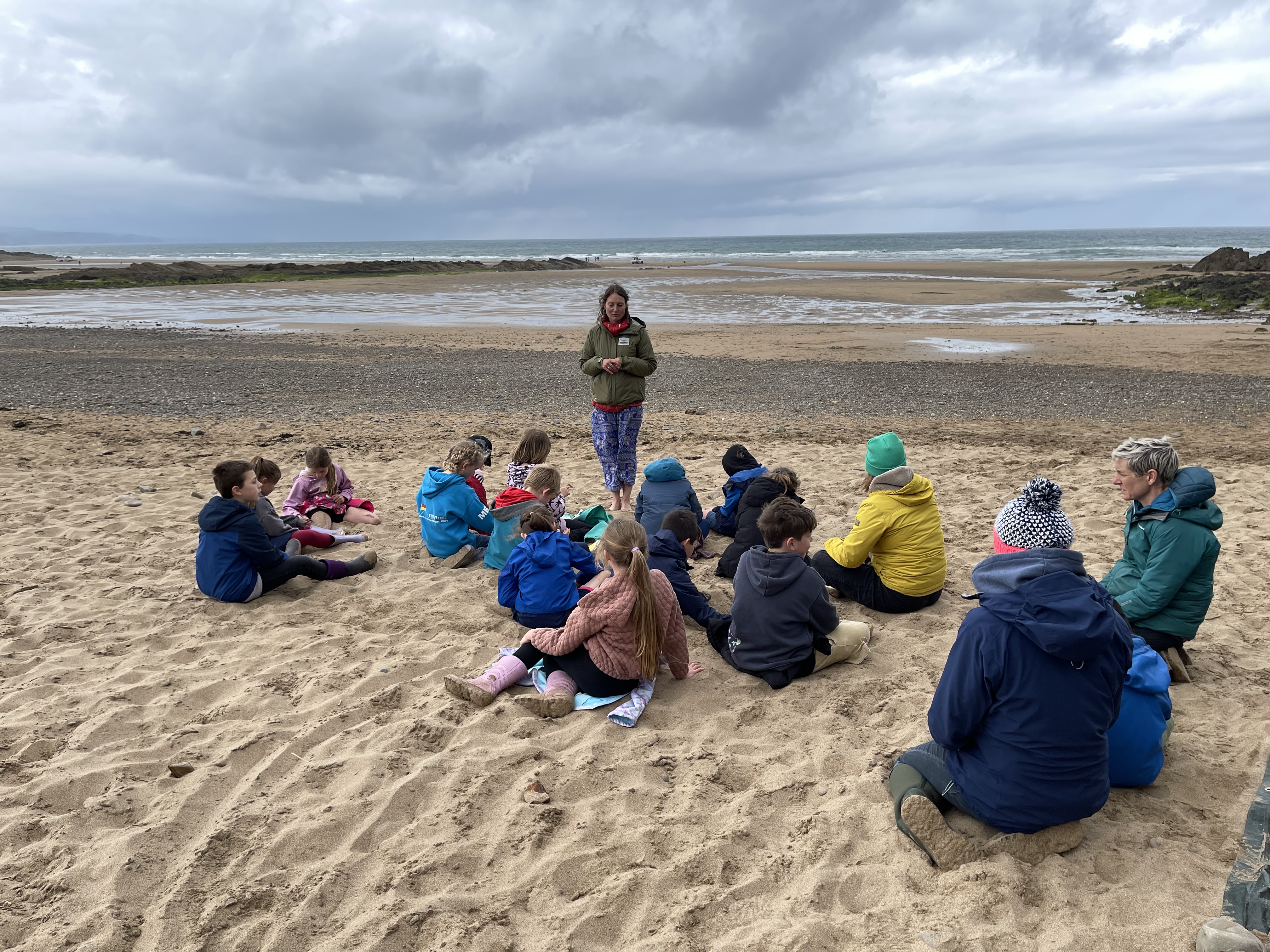
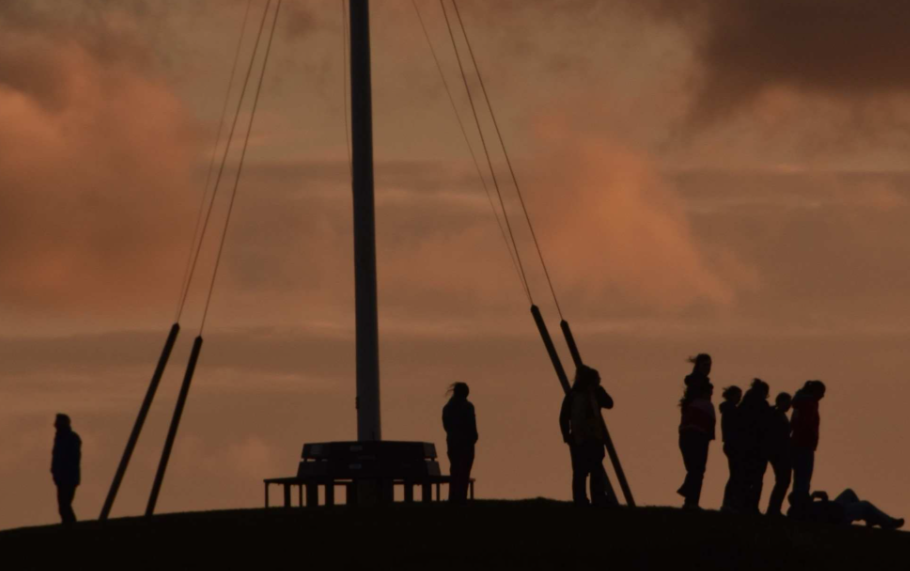
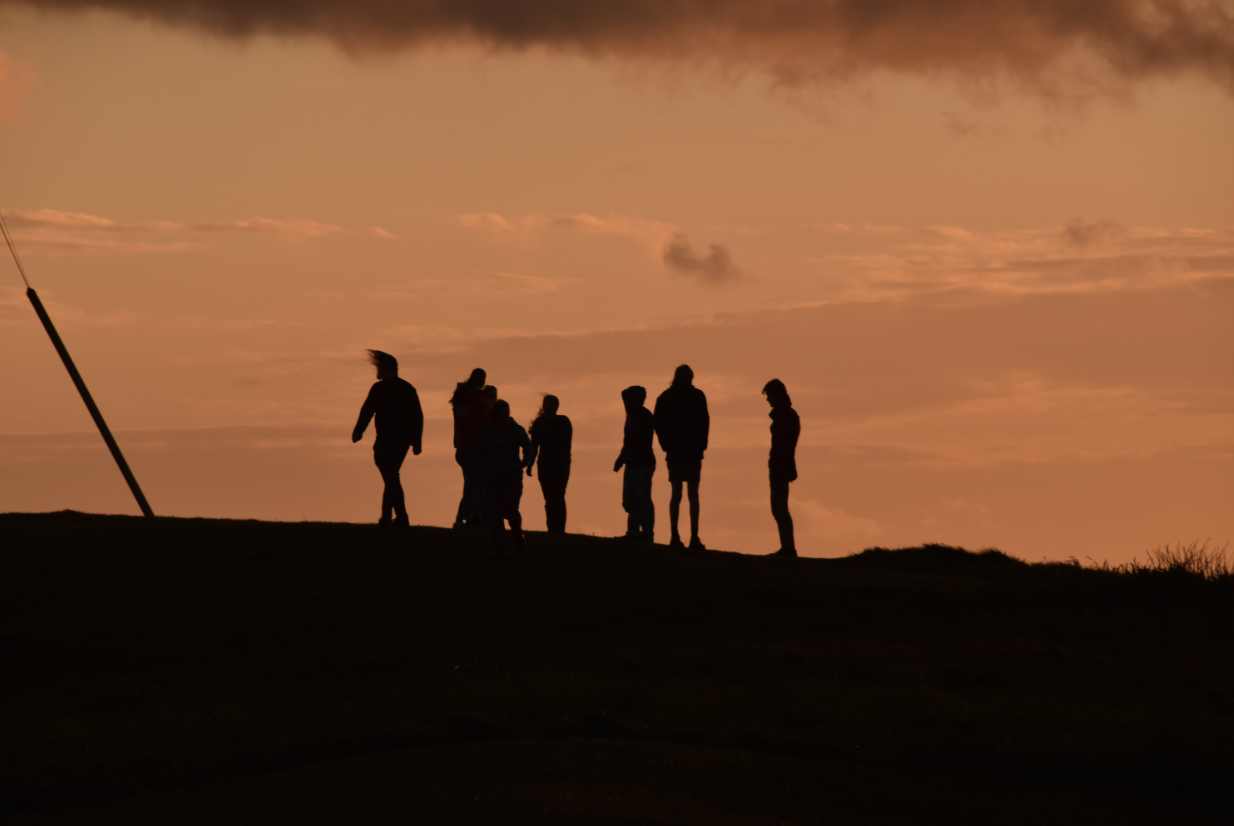
    Claire from the 2 Minute Foundation then led the Youth Board on a guided beach walk, giving them the chance to observe coastal processes first‑hand. The session concluded with a discussion about how Bude’s coastline may change in the future and how the community can adapt positively.

    Evie, 22, said: “I found this session very helpful and informative. It really helped clear up any questions I had and was a great way to learn and digest the information. I enjoyed the beach walk to see physical examples of the changes to our coast. I enjoyed being able to work with people my age for the future of Bude.”
    Tom, 17, added: “Growing up in Bude I feel its amazing landscape and community is so unique, and as young people it is our duty to preserve it whilst adapting to the inevitable changes to the coast.”

    The next Youth Board training session will take place on 28 and 29 March, delivered by the charity Voice. This workshop will focus on communication and engagement skills, preparing the young people to support the project in sharing information with the wider community.

    Keep an eye on our social media channels for updates on Community Conversations.

    Facebook: @Future Coast Bude
    Instagram: @futurecoastbude

  • Planning for the future by understanding the current picture
    Share Planning for the future by understanding the current picture on Facebook Share Planning for the future by understanding the current picture on Twitter Share Planning for the future by understanding the current picture on Linkedin Email Planning for the future by understanding the current picture link
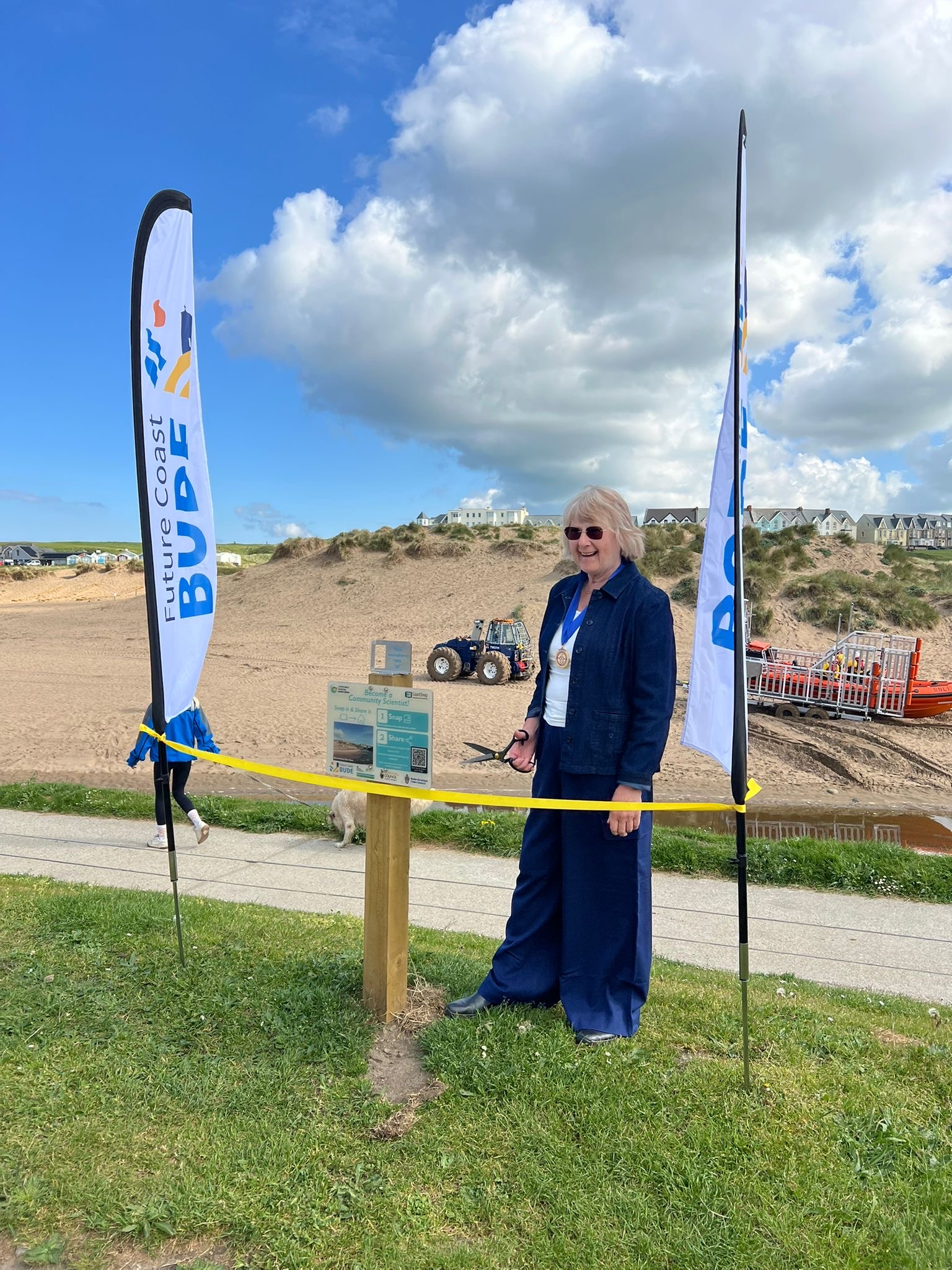
    We know that the coast has changed in the past and that it will continue to change in the future. Erosion of the cliffs will continue to take place – in some places more quickly than others. And as sea levels rise, our beaches and facilities near the coast, will become under increasing pressure.

    In Bude, there are a number of public owned building and amenities which will not be able to be kept in their existing location in the future. As part of the Future Coast Bude project, we are looking at what it would take to move or adapt some of these things in the future. To be able to understand how this can happen, we need to first gather data about what the current situation is.

    To do this, the project has commissioned:

    • A drone survey of the cliffs, from Maer Cliff down to Mentones. This will give us visual information about the stability of the cliff. This is particularly important for understanding which parts of the coast path might need to be moved.

    • Ground Investigation surveys and Cliff Stability surveys, to help the project plan for which parts of the cliffs will be most vulnerable to cliff falls. This will also be very useful for future plans for the route of the coast path.
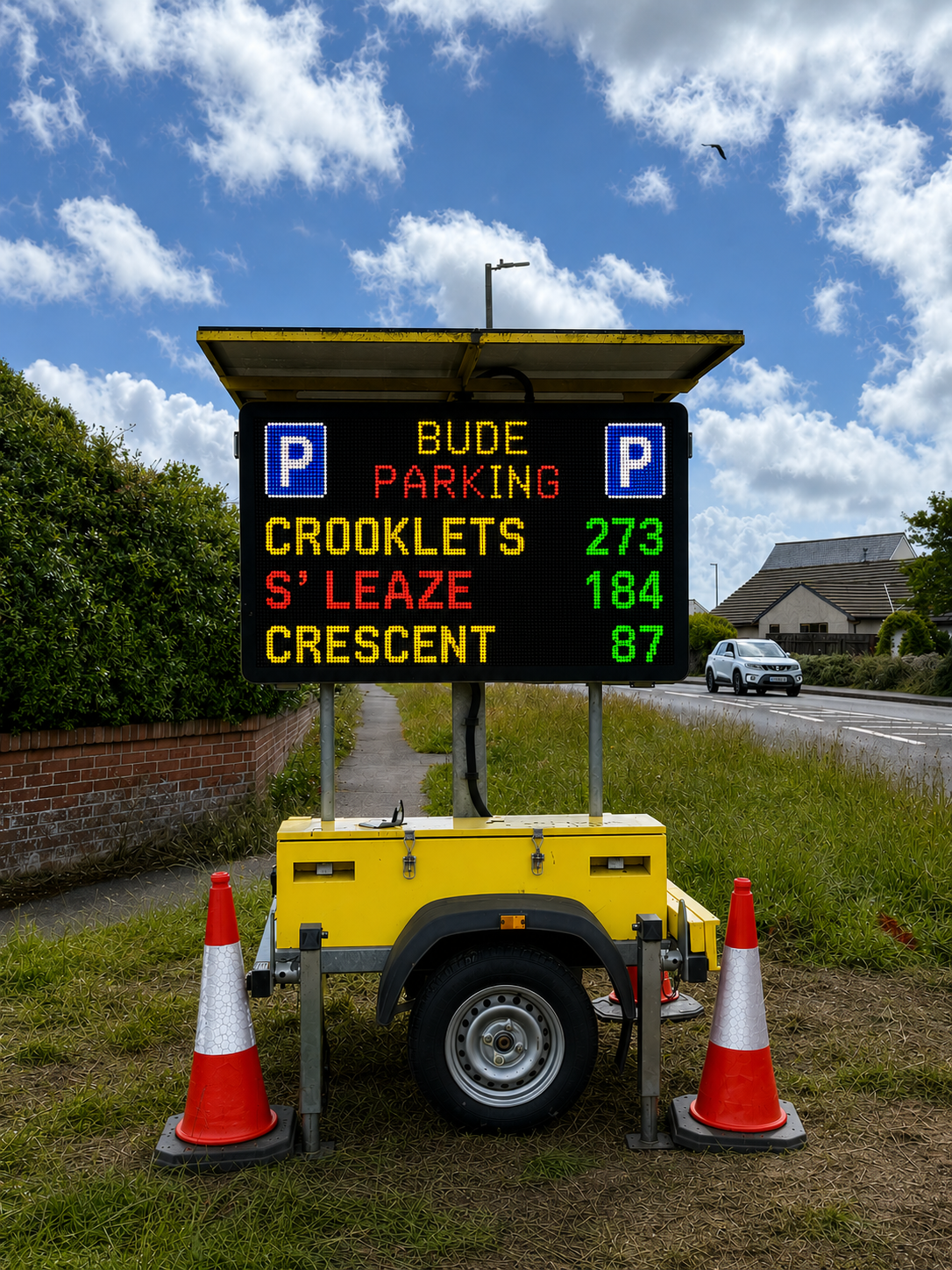
    • A drone survey, Topography survey and ‘Ground penetrating radar’ survey of the current overflow car park at Crooklets. This will allow plans to be made so that the capacity of the car park can be increased. This means that as increased pressure is put on the Crooklets car park, beachside car parking is still available.
    • Ecology surveys, which will allow the project to have a clear idea of what the habitat is and what species are present in different locations along the coast. This will help inform decisions about where things like the toilet blocks could be moved to in the future.

    By gathering this data now, this information can be fed into our Community Conversation events, which will be happening in April and May. This information can be used to help inform the community’s plan for the Coastal Vision – setting the direction of travel for the coast in Bude in the future.

  • Project update - February 2026

    Share Project update - February 2026 on Facebook Share Project update - February 2026 on Twitter Share Project update - February 2026 on Linkedin Email Project update - February 2026 link

    Shaping Bude’s Coast Together – survey responses

    A huge thank you to everybody who completed the survey. This was designed so the project team could better understand what is most important to the community about the coast in Bude, and will be used to shape our future engagement.

    Over 250 responses were received – a response rate of 2.8%.

    The survey shows a consistent and urgent need for far better communication, education, and public understanding around coastal change and adaptation.

    Most respondents felt ill‑informed, uncertain, or unaware of what is happening, despite strong concern about erosion, flooding, and future risks.

    A full survey report will be shared in March.

    Based on the findings of the survey, it is clear to the project team that we need to be able to work with the community to provide better information about coastal change and adaptation. We have been working on a number of key tools which will help us to have this conversation (see below for updates on the story map and films).

    Shaping Bude’s Coast Together – competition winners

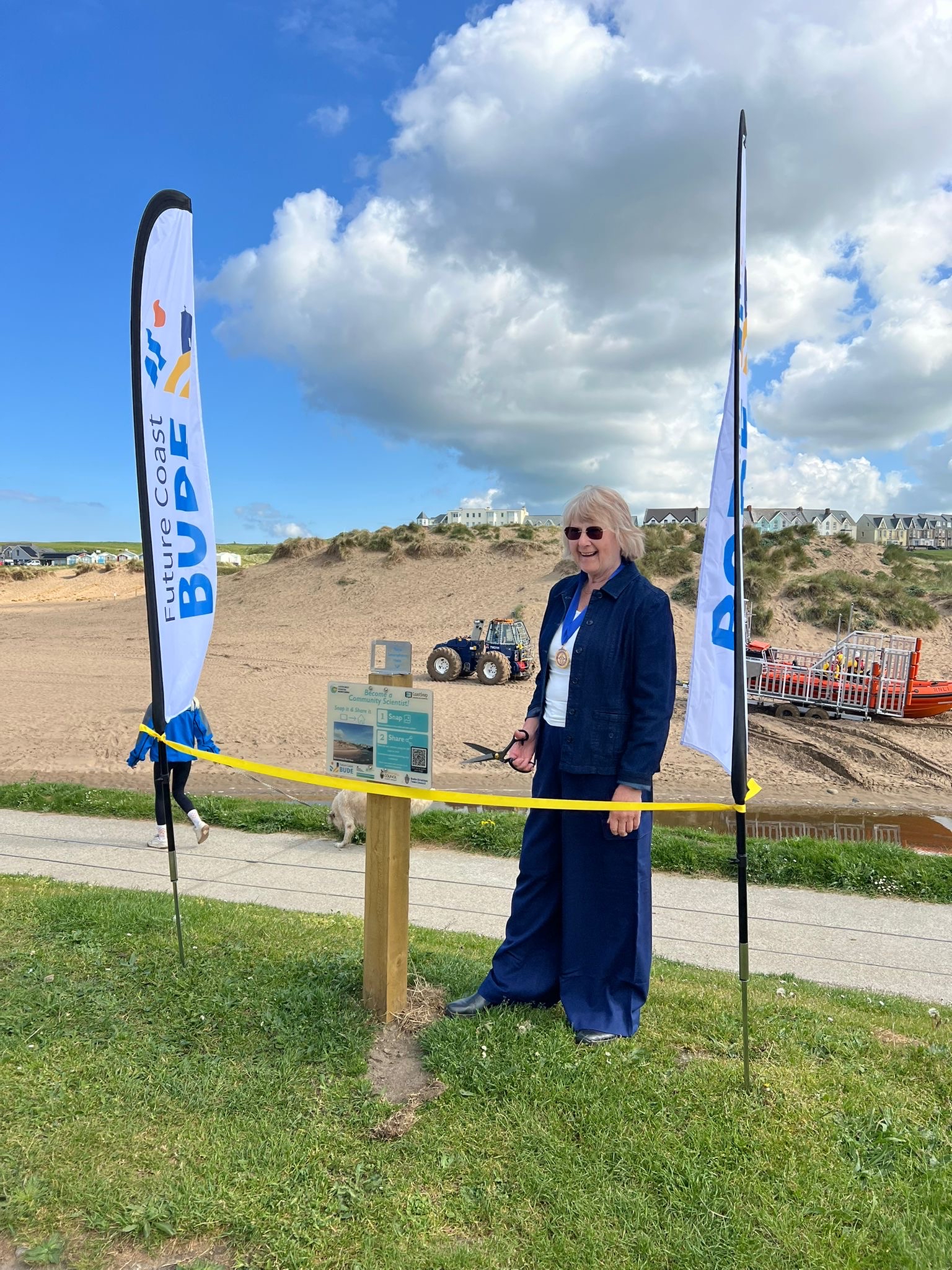
    Congratulations to the prize winners, who were drawn at random, by the Mayor of Bude, Mike Dawes.

    Winners are:

    First prize: Megan Ross

    Second prize: Pippa John

    Third prize: Jill Haines

    All prize winners received vouchers for local Bude businesses (Electric Bakery, The Refill Shop and Wild Wood). Megan and Pippa were presented with their vouchers by the Mayor of Bude.

    2 Minute Foundation films

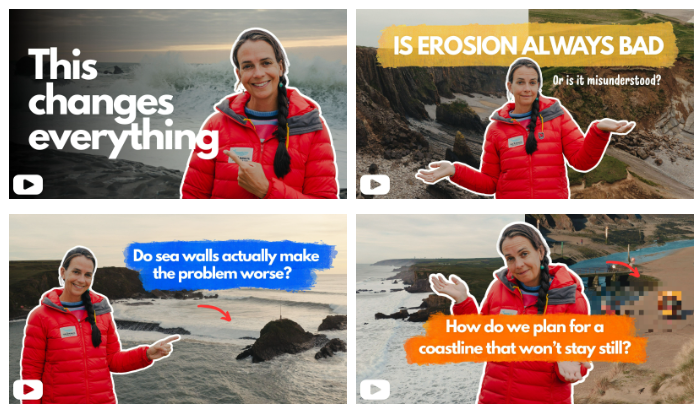
    Four short films on the following topics are being filmed and will be ready to share in March:

    • Why the same storms are causing bigger problems?
    • Is erosion always bad – or is it just misunderstood?
    • Do sea wall actually make the problem worse?
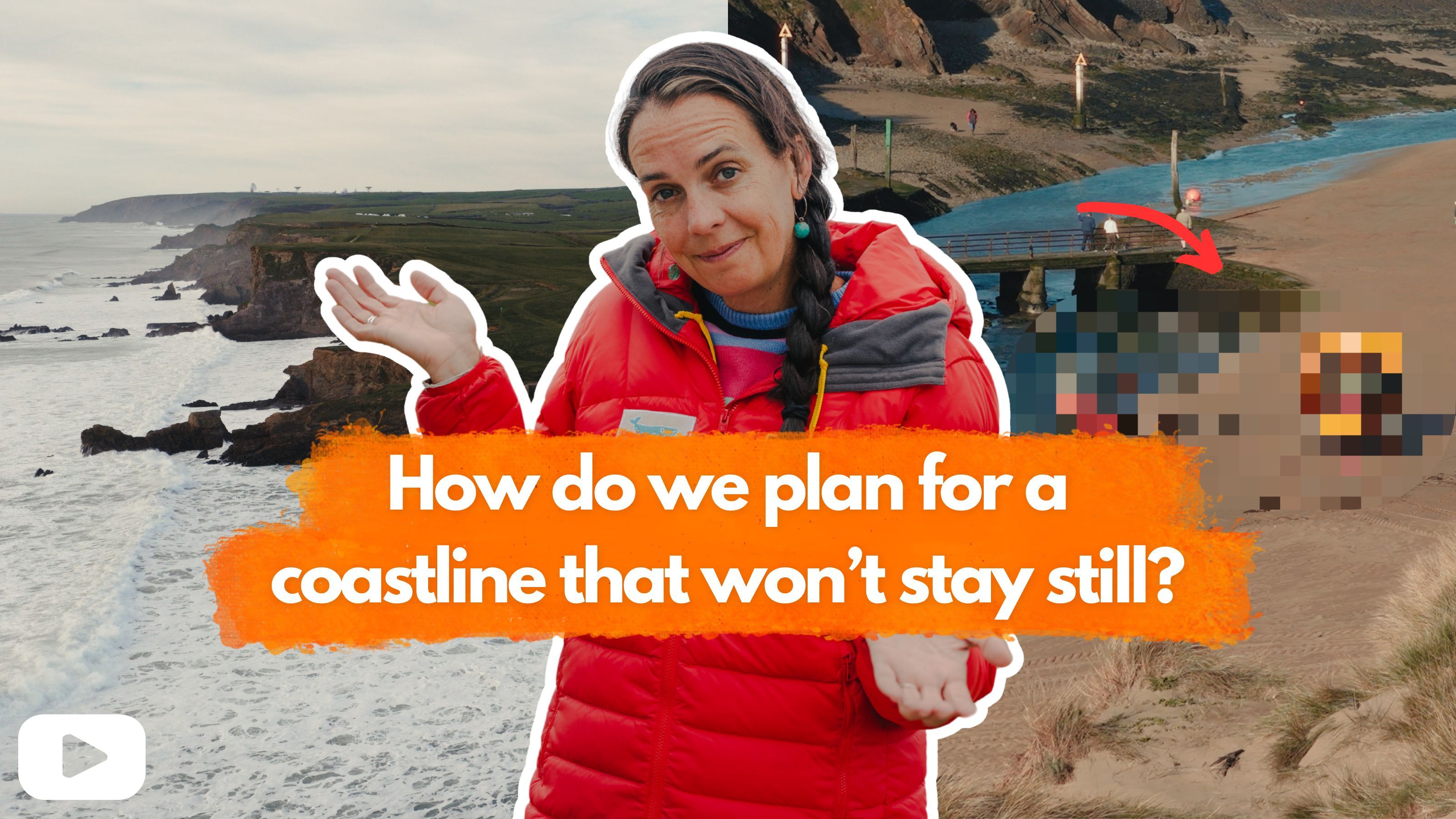
    • How we plan for a coastline that won’t stay still.

    We can't wait to share these with you very soon!


    Maritime Archaeological Trust Story Map

    The Maritime Archaeological Trust have been progressing well with their work to bring together all the available evidence about what the coastline in Bude looked like in the past.

    The first draft of the tool that they have produced was shared with the Critical Friends group and, once updated with their feedback, will be available to share publicly very soon! We are working with the team at The Castle to see if we can have it on display there, as well as looking at other opportunities to share with the community in Bude Do get in touch if you have some ideas on groups that might be interested (futurecoastbude@cornwall.gov.uk).


    Youth Board: a group of residents aged 16-30

    18 applications to be part of the Youth Board have been received. All those who applied have been successful in securing a place.

    The group will meet for the first time at the beginning of March to find out more about the project, then there will be 2 training weekends.

    The first will be led by 2 Minute Foundation and will be based around the films that they have produced. This will help the group feel confident about coastal processes.

    The second weekend will be led by Charity ‘Voice’ who will provide training on how to plan and deliver events, data analysis, report writing and how to be an ambassador for a project.

    The group will then:

    • Be paid to help with wider community engagement events that they get involved in.
    • Help the project reach a younger audience, to ensure the voices of those most impacted by coastal change are represented as part of the project.

    Sand recycling and reducing wind-blown sand – Summerleaze car park

    Work to move sand from the car park onto the front of the dune is planned to start week commencing 23 March and is likely to take a couple of weeks. Parts of the car park will be fenced off to enable this work to be done safely.

    Plans to re-align the path through the dunes have been modified, to take into account the exciting discovery of lizards (a protected species) in the dune. As much work as can be done to reduce the amount of sand blowing onto the car park will still take place, without causing any disturbance to the lizard’s habitat.


    Summerleaze Beach urgent health and safety repairs – undertaken by Cornwall Council

    Work will be taking place throughout the beginning of March to remove and repair damaged wire baskets that help keep the river in place. This work is being done by Cornwall Council. The longer-term future of these wire baskets at Summerleaze is being considered as part of the project.

    More information about this work can be found here: Urgent health and safety repairs.


    Beach huts

    Beach hut user drop-in sessions were run in February half term and were well attended. These were invitation only events for people who rent a beach hut.

    The project team worked with representatives from the Bude Area Tourist Board to talk to the beach hut users about a range of topics. Key learning included:

    • The diverse reasons why people have a hut - some for the social side, some for the opposite (for peace and quiet) and everything in between!
    • Most attendees were in favour of future huts being constructed from more durable composite material which would be much lower-maintenance and have a longer life.
    • Most attendees were not keen to construct their own huts on a plot, but were concerned about the need for maintenance and investment now.
    • The importance of proximity to the beach and the view are key - potential sites for beach huts further from the sea were not popular.

    Overall, all attendees were in agreement that the Beach Huts are a vital part of the character of Bude’s beaches and should be part of any investment and planning for the future of Bude’s coastline.

    Work to repair the damaged boardwalk with beach huts on at Summerleaze is expected to be undertaken in March.


    Work with Cormac

    Cormac, part of Cornwall Council, is continuing work to look at what would be required to relocated public assets away from vulnerable locations at the coast. A drone survey has been undertaken to better understand which parts of the cliffs are most vulnerable, and ground investigation works are planned to understand more about future locations for the coast path and future parking options.

    Cormac are currently working to try and determine what work will require planning permission and what work could be delivered within the time frame of the project (before April 2027).
  • Summerleaze Beach urgent health and safety repairs – undertaken by Cornwall Council

    Share Summerleaze Beach urgent health and safety repairs – undertaken by Cornwall Council on Facebook Share Summerleaze Beach urgent health and safety repairs – undertaken by Cornwall Council on Twitter Share Summerleaze Beach urgent health and safety repairs – undertaken by Cornwall Council on Linkedin Email Summerleaze Beach urgent health and safety repairs – undertaken by Cornwall Council link

    At Summerleaze beach, wire baskets containing rocks are used to line the banks of the River Neet. These baskets are called gabions and help to keep the river flowing in a particular place.

    The gabion baskets run all the way from the slip way at the back of Summerleaze car park, to the Iron Bridge, along the right hand bank (the one on the right as you look downstream). There are a number of baskets stacked on top of one another. Much of the time these baskets are covered in sand.

    During a recent inspection, undertaken by Cornwall Council, a number of failed baskets have been identified. This has led to metal wire sticking out which causes a health and safety risk.

    Some of the baskets are beyond repair. These are mostly located at the bend in the river. The plan is to remove the top layer of baskets here.
    The gabions which are not being removed will be inspected and any metal sticking out will be removed and recycled. Wire mesh will be placed over the damaged gabions to stop any more metal coming out of the baskets and causing a health and safety risk.

    A rope barrier will be installed along the top of the gabions to highlight the damaged areas, while Cornwall Council evaluate the effect of the whole gabion wall on the dune system.

    Work is expected to take place during the week of 23 February 2026, for a duration of approximately 3 weeks.
  • Summerleaze Sand Recycling & Dune Care Plan (2026–2027) – January 2026 update

    Share Summerleaze Sand Recycling & Dune Care Plan (2026–2027) – January 2026 update on Facebook Share Summerleaze Sand Recycling & Dune Care Plan (2026–2027) – January 2026 update on Twitter Share Summerleaze Sand Recycling & Dune Care Plan (2026–2027) – January 2026 update on Linkedin Email Summerleaze Sand Recycling & Dune Care Plan (2026–2027) – January 2026 update link

    Cornwall Council and Bude & Stratton Town Council are working together on a short‑term programme to manage wind‑blown sand at Summerleaze Beach while strengthening the long‑term health of the dune system. This work forms part of the Future Coast Bude project and will run from March 2026 to March 2027. Community consultation about the future of the coast will be taking place during this time, and will help shape the long-term plan for the coastline here.

    Why this work is happening

    Summerleaze is a naturally dynamic coastline. Wind, waves and tides constantly move sand around the beach and dunes. Over recent years this has led to:

    • Sand regularly building up in the car park
    • Erosion and exposed rock armour along the seaward edge of the dunes
    • Concerns about the long‑term resilience of the dune system

    The aim of this plan is to reduce sand accumulation in the car park in the short term while keeping all sand within the natural beach–dune system, supporting the dunes’ ability to recover and adapt.

    Where the work will take place

    The project focuses on the mobile dunes and the car park, staying above the Mean High-Water Springs (MHWS) line to avoid disturbing protected intertidal habitats.

    How sand recycling works

    Excess sand that gathers in the car park will be moved back onto the dunes where it can help rebuild and stabilise them. The work will:

    • Target only loose, non‑vegetated sand
    • Prioritise rebuilding the west‑facing dune edge, where rock armour is currently exposed
    • Maintain safe, stable slopes — especially around the RNLI access route
    • Support wider dune‑care measures such as fencing, planting and mulching

    The first phase is planned for early spring 2026, ideally after the March spring tides and before Easter, to maximise benefits ahead of the summer season.

    Fencing and planting to stabilise the dunes

    To help reduce wind‑blown sand and guide people safely through the dunes, a series of fencing and planting measures will be introduced.

    Fencing

    Two types of fencing will be installed:

    • Post‑and‑rope fencing to mark a new access route and close off the old one
    • Fencing to act as windbreaks and trap sand in key areas, including behind the rock armour and along the southwest dune edge

    These measures help slow sand movement and encourage natural dune growth.

    Planting

    Once fencing is in place, dune‑friendly planting will help stabilise the sand:

    • Marram grass in sheltered sand‑capture areas
    • Lyme grass or couch grass in lower areas that may occasionally be reached by waves
    • Thatching or mulching (e.g., straw) to help young plants establish

    Some bare sand will be intentionally retained to preserve the natural ecological function of the dunes.

    Maintaining RNLI access at all times

    The RNLI relies on a key access corridor to launch the D‑Class inshore lifeboat. A realigned, more southerly route is proposed to improve safety and reduce wind‑blown sand around the boathouse.

    If the new route cannot be created at the same time as the sand recycling work, the existing route must remain fully usable.

    Protecting RNLI operations is a core requirement of the project.

    What to expect

    Even with this work, the dunes will continue to shift — that’s part of a healthy coastal system. Sand may still accumulate in the car park at times, and the dune face will continue to respond to waves and weather. These changes will be monitored closely by:

    • The Bude Dunes Group
    • The Future Coast Bude team
    • The regional coastal monitoring programme

    What informed this plan

    The approach draws on specialist studies and community feedback, including:

    • Summerleaze Beach & Dune Management Plan (2016)
    • Bude Coastal Change Project (2021)
    • Summerleaze Dune Report (2023)
    • Summerleaze Car Park Community Feedback Survey (2025)

    Further sand sampling will take place to confirm grain size and check for any contamination, though no issues are currently expected.

  • January 2026 project update

    Share January 2026 project update on Facebook Share January 2026 project update on Twitter Share January 2026 project update on Linkedin Email January 2026 project update link
    Shaping Bude’s Coast Together – Survey (closes 8 February)
    Over 9,100 postcards have been sent to households across Bude inviting people to share their views on the future of the coastline. Support sessions have been offered at Berries Community Café, the Library, the Pearl Exchange, and The Hub at the Sea Pool. Over 220 people have responded so far, with current themes including clean water and pollution control, protecting natural features and coastal ecosystems and managing coastal erosion and flood risk. The feedback will help design community workshops at the end of April, which will contribute to a Coastal Vision for Bude.

    Youth Board – Applications (deadline extended to 23 February)
    Young people aged 16–30 can join a Youth Board to help run workshops, review the results, and contribute to the Coastal Vision. Members will receive training to support them in this work and gift vouchers to thank them for their time. The Youth Board launched on 19 January and has been promoted at Budehaven Sixth Form, the Pearl Exchange, the Job Centre, and Berries Community Café.


    Sand Recycling & Reducing Wind-Blown Sand – Summerleaze Car Park
    The project team has brought together everyone involved with Summerleaze car park and agreed that some of the wind-blown sand will be removed in March.
    Read more here: Wind blown sand on Summerleaze car park - we are listening | Future Coast Bude | Let's Talk Cornwall

    We have also been working closely with the RNLI and Bude Dunes Group and will be moving the RNLI access way through the dunes to a different angle in March. This should reduce the amount of sand blowing into the car park.
    Read more here: Summerleaze Sand Recycling & Dune Care Plan (2026–2027) – January 2026 update | Future Coast Bude | Let's Talk Cornwall

    Bude Park and Ride – Pilot Phase 2
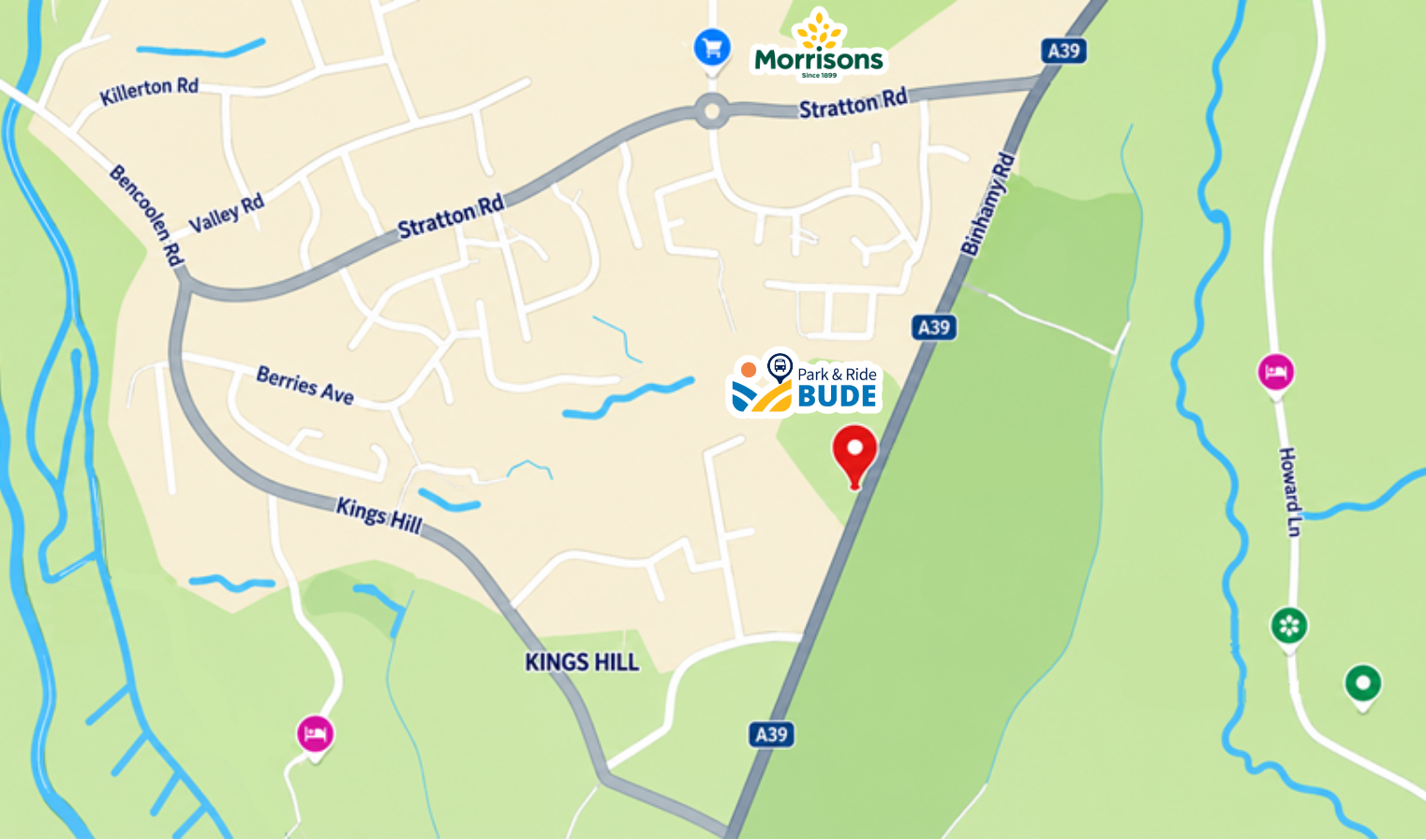
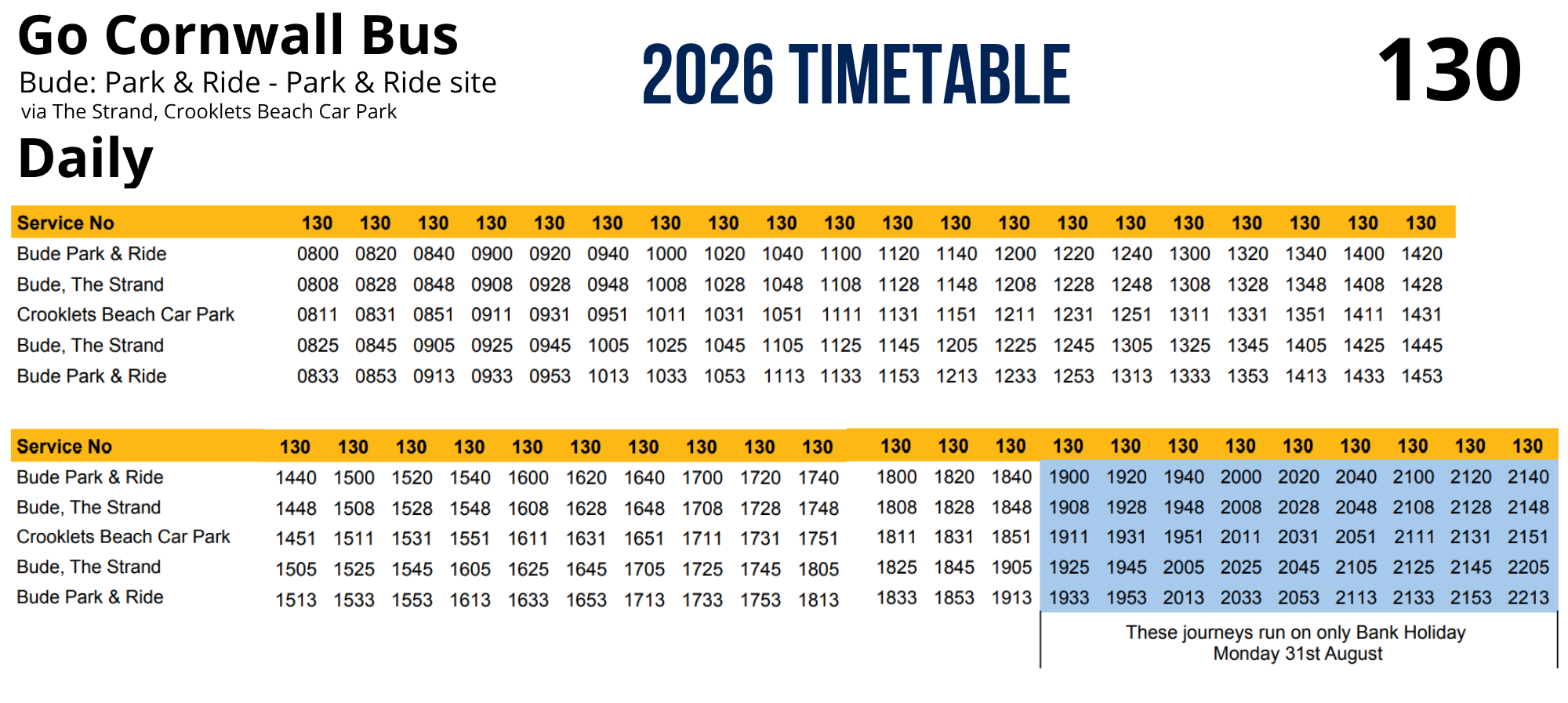
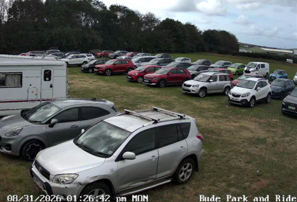
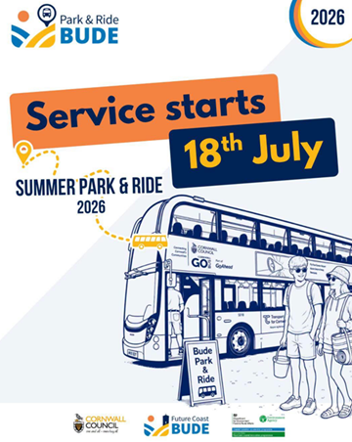
    Go Cornwall has been appointed to run a second park and ride pilot over summer 2026. Following feedback from last year, the service will start at 8am, run until 6pm, and include a stop at Crooklets. More details will be shared soon.

    Beach Huts
    Bude Area Tourist Board is working with beach hut tenants and Cornwall Council on a Beach Hut Management Plan. This looks at the condition of existing huts, how they are used, and which are most at risk from coastal erosion. Future options for relocating huts will be discussed with tenants at events in February. Increasing the provision of accessible huts is also a priority.

    Work with the Maritime Archaeological Trust (MAT)
    MAT is collecting all available evidence - photos, paintings, maps, charts, and soil information to show what Bude’s coastline looked like in the past. This resource will be ready to share publicly by April.
    2 Minute Foundation
    The project team has prepared short topic papers to explain some coastal processes. 2 Minute Foundation will turn these into four 2-minute films, ready to share in March. 2 Minute Foundation also continues to work with young people in schools and at home, helping them understand how coastal erosion and sea-level rise could affect Bude.
    Work with the RNLI
    The project team is helping the RNLI to consider future options for moving their lifeboat station at Summerleaze when the current site can no longer function effectively. For context, it took 20 years from deciding the previous station was unsuitable to opening the current one, so it is important to start planning early.
    Work with Cormac
    Cormac, part of Cornwall Council, is looking at increasing the capacity of the Crooklets overflow car park, future options for toilets at Summerleaze and Crooklets, moving beach huts, and relocating the coast path further inland. The public will be consulted on these options at events in April 2026.
    Cables at Crooklets
    Meetings have taken place with Vodafone, Google and BT Group about the cables that come onshore at Crooklets. These cables may be affected by the lowering beach level due to coastal change. The project team will present at the European Subsea Cable Association conference in March to raise awareness and involve cable providers in future planning.
    Conferences
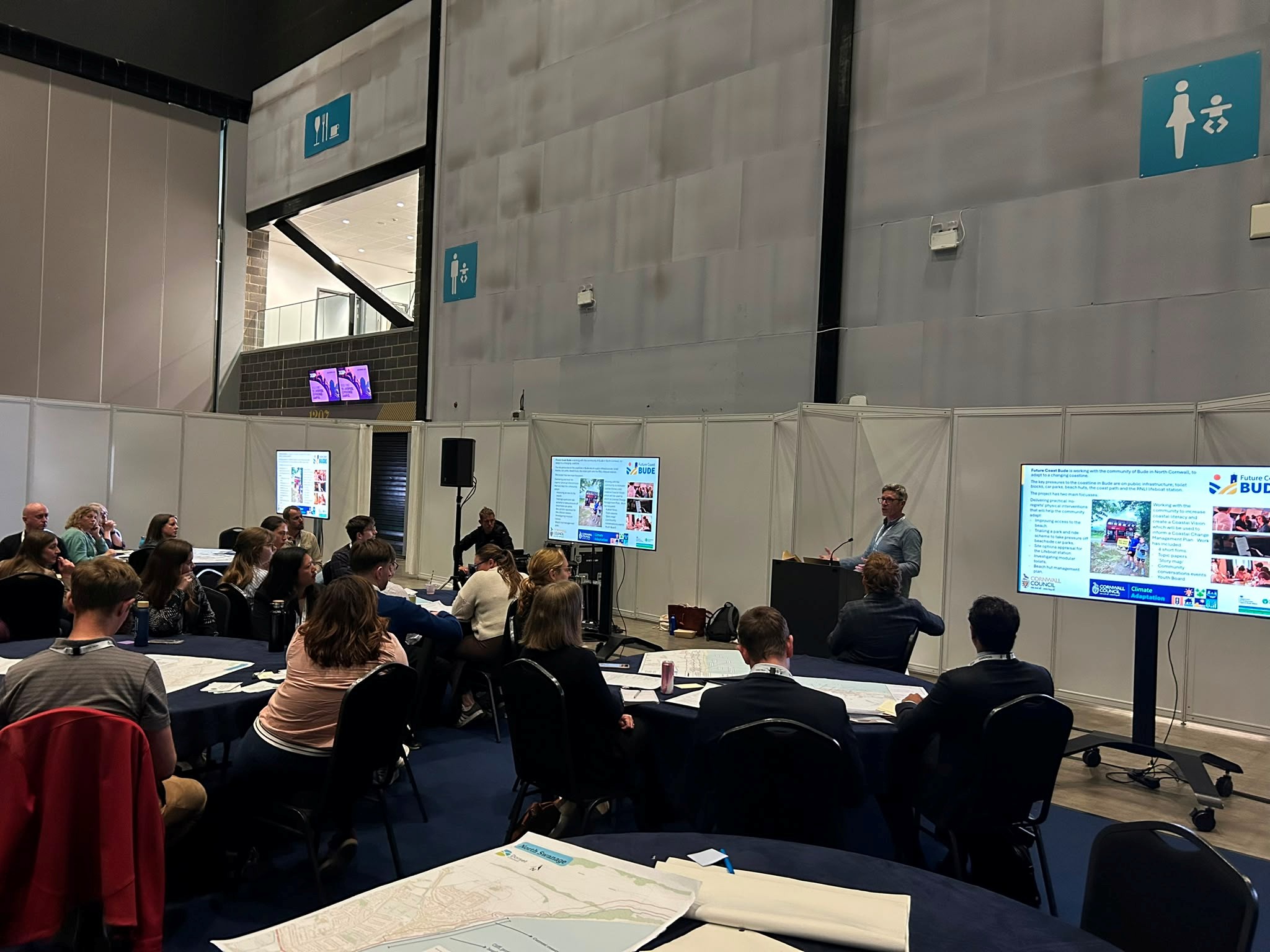
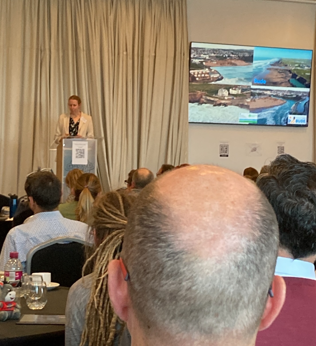
    The project team has run a workshop at the Flood and Coastal Innovation Programme Winter Conference in Hull and presented at the Coastal Futures Conference in London to share Bude’s work.
  • Future Coast Bude Youth Board: A board for young resident aged 16-30 - recruitment open!

    Share Future Coast Bude Youth Board: A board for young resident aged 16-30 - recruitment open! on Facebook Share Future Coast Bude Youth Board: A board for young resident aged 16-30 - recruitment open! on Twitter Share Future Coast Bude Youth Board: A board for young resident aged 16-30 - recruitment open! on Linkedin Email Future Coast Bude Youth Board: A board for young resident aged 16-30 - recruitment open! link

    🌊 Future Coast Bude Youth Board - deadline to apply extended to Monday 23 February.

    What is the Youth Board?

    The Future Coast Bude Youth Board is a group of young people who want to make a difference in their community.
    As a member, you’ll work with professionals to help design events that ask local people what they want for the future of Bude’s coast.

    You’ll learn how to:

    • Talk with different groups of people
    • Run discussions
    • Collect and understand information
    • Help write a report about what the community wants

    You’ll also get paid for your time.

    Being part of the Youth Board gives you:

    • New skills for jobs and future opportunities
    • Confidence and real work experience
    • A chance to shape events happening in Bude this spring
    • A role as a young ambassador for the project

    The Youth Board will also help create a future Youth Council for ages 11–18.

    🕒 How much time will it take?

    Around 6–12 hours a month, depending on how involved you want to be.

    Required training (expenses paid)

    • Mon 2 March 2026, 7–9pm
    • Sat 21 March 2026, 10am–3pm
    • Sat 28 & Sun 29 March 2026, 10am–3pm

    Optional activities (paid)

    • Planning sessions: 2 hours a week in March
    • Workshops: Around 5 events in late April
    • Data & report writing: 2 hours a week in May and June

    💰 How much does it cost?

    Nothing.
    Training expenses are covered, and you’ll be paid for the work you do.

    📱 What do I need?

    For online meetings:

    • A phone, tablet, or laptop with internet
    • A quiet space to talk
      (If you need help getting equipment or internet, just ask!)

    For in‑person events:

    • A way to travel to Bude (travel costs can be covered)
    • Someone you live with or trust knowing where you’re going and when you’ll be back

    To join the group, you should:

    • Be 16–30 years old on 1 March 2026
    • Live in or near Bude
    • Be comfortable talking in small groups
    • Want to share your views and represent others
    • Be open‑minded and welcoming
    • Be interested in helping shape Bude’s future

    🌍 What will the Youth Board achieve?

    You’ll help create a Coastal Vision for Bude — a document that explains what the community wants for the future of the coastline, especially with sea‑level rise and erosion in mind.

    You’ll help make sure young people’s voices are heard and included in the final plan.

    📝 How do I apply?

    Fill in the online form: Future Coast Youth Board: A board for young residents aged 16-30 Application form | Let's Talk Cornwall

    If you need a paper copy or help filling it in, you can:

    • Email Liz: futurecoastbude@cornwall.gov.uk
    • Visit Bude-Stratton Town Council, The Parkhouse Centre

    You can also send your answers as a video or voice note to the same email.

    Got questions?

    You can:

    • Email Liz Taylor at futurecoastbude@cornwall.gov.uk
    • Ask for a phone or video call
    • Come to one of the information sessions:
      • Tuesday 3 February 12:00 - 2pm Berries Community Cafe
      • Wednesday 4 February 12:30 - 2:30pm The Pearl Exchange
      • Friday 6 February 9:00 - 12 Bude Job Centre
  • 🌊 Future Coast Bude Youth Board: A board of young residents aged 16-30 – Easy Read with Symbols information

    Share 🌊 Future Coast Bude Youth Board: A board of young residents aged 16-30 – Easy Read with Symbols information on Facebook Share 🌊 Future Coast Bude Youth Board: A board of young residents aged 16-30 – Easy Read with Symbols information on Twitter Share 🌊 Future Coast Bude Youth Board: A board of young residents aged 16-30 – Easy Read with Symbols information on Linkedin Email 🌊 Future Coast Bude Youth Board: A board of young residents aged 16-30 – Easy Read with Symbols information link

    👥What is the Youth Board?

    • 🧑🤝🧑 A group of young people aged 16–30. 

    • 📍 From the Bude area. 

    • 🌍 Want to help the coast, the environment, and the community. 

    • 🗣️ You will help plan events where local people can share their ideas about the future. 

    🎓What will you learn?

    • 🤝 How to work with different people 

    • 💬 How to lead group discussions 

    • 📝 How to collect and understand information 

    • 📄 How to help write a report about what the community wants 

    💷You will be paid for the work you do. 

    🌱Why is this important? Your contribution is valued and important.

    • 💡 You will learn new skills 

    • 💼 You will get real work experience 

    • 💬 You will help make sure young people’s voices are heard 

    • 🌟 You can help shape future youth groups in Bude 

    🕒How much time will it take?

    You may spend 6–12 hours a month. 

    ✔️Training (you must attend)

    • 🌙 1 evening in March 

    • 📅 3 weekend days in March 

    • 🚗 Travel costs paid 

    ✔️Optional (paid)

    • 🗂️ Planning: 2 hours a week in March 

    • 🎤 Workshops: about 5 events in late April 

    • 📊 Data and report writing: 2 hours a week in May & June 

    💷How much will it cost me?

    • Nothing

    • ✔️ You will be paid for your time (in vouchers)

    💻What will I need?

    For online meetings: 

    • 📱 A phone, tablet, or computer 

    • 🌐 Internet 

    • 🔇 A quiet space if possible 

    For in-person meetings: 

    • 🚶 A way to travel 

    • 👕 Comfortable clothes 

    • 🧰 Anything you need to take part 

    To join the group: 

    • 🎂 Be aged 16–30

    • 🤗 Be willing to work with others 

    • 🧠 Be open to learning 

    •  Tell us if you need any support 

    🎯What will the Youth Board do?

    • 🎉 Help plan and run community events 

    • 🗣️ Listen to local people 

    • 🧭 Help decide what matters most for Bude’s future 

    • ✍️ Help write a report 

    • 🌟 Help shape future youth involvement 

    📝How do I apply?

    Please fill in the form with: 

    • 🧍 Your name 

    • 🎂 Your age on 1 March 2026 

    • 🏠 Your address 

    • 📧 Your email 

    • 📞 Your phone number 

    • 🎓 Your school/college/workplace (if you have one)

    • 🏢 If an organisation asked you to apply 

    Short questions (write or record your answers): 

    •  Why do you want to join? 

    • 🎯 What do you hope to get from the group? 

    • 🗣️ How can you help make sure young people are heard? 

    •  Do you need any support or adjustments? 

    The form is here: Youth Board application form | Let's Talk Cornwall (just press submit) or you can request a paper copy by 📧 emailing futurecoastbude.gov.uk or ask at📍Bude-Stratton Town Council, The Parkhouse Centre

    You will later complete: 

    • 📝 A registration form 

    • 🎥 A media consent form 

    • ⚖️ An equal opportunities form 

    Your information will be kept safe under the council’s privacy rules. 

Page last updated: 01 Apr 2026, 01:57 PM