Fal and Helford Marine Protected Area

Share Fal and Helford Marine Protected Area on Facebook Share Fal and Helford Marine Protected Area on Twitter Share Fal and Helford Marine Protected Area on Linkedin Email Fal and Helford Marine Protected Area link

Find out how you can enjoy these beautiful estuaries and minimise your impact on the wildlife and protected habitats here.


About the Fal and Helford


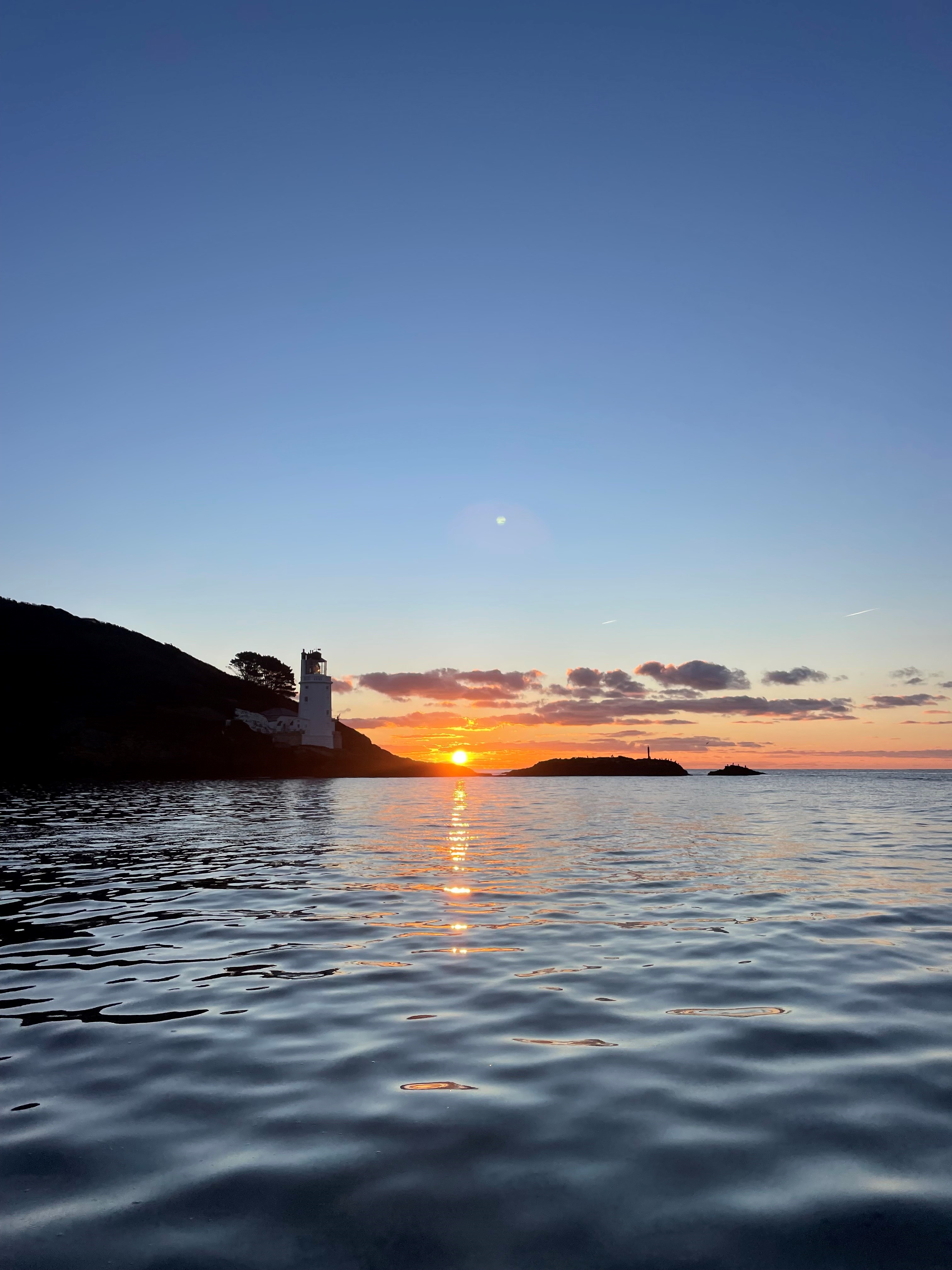
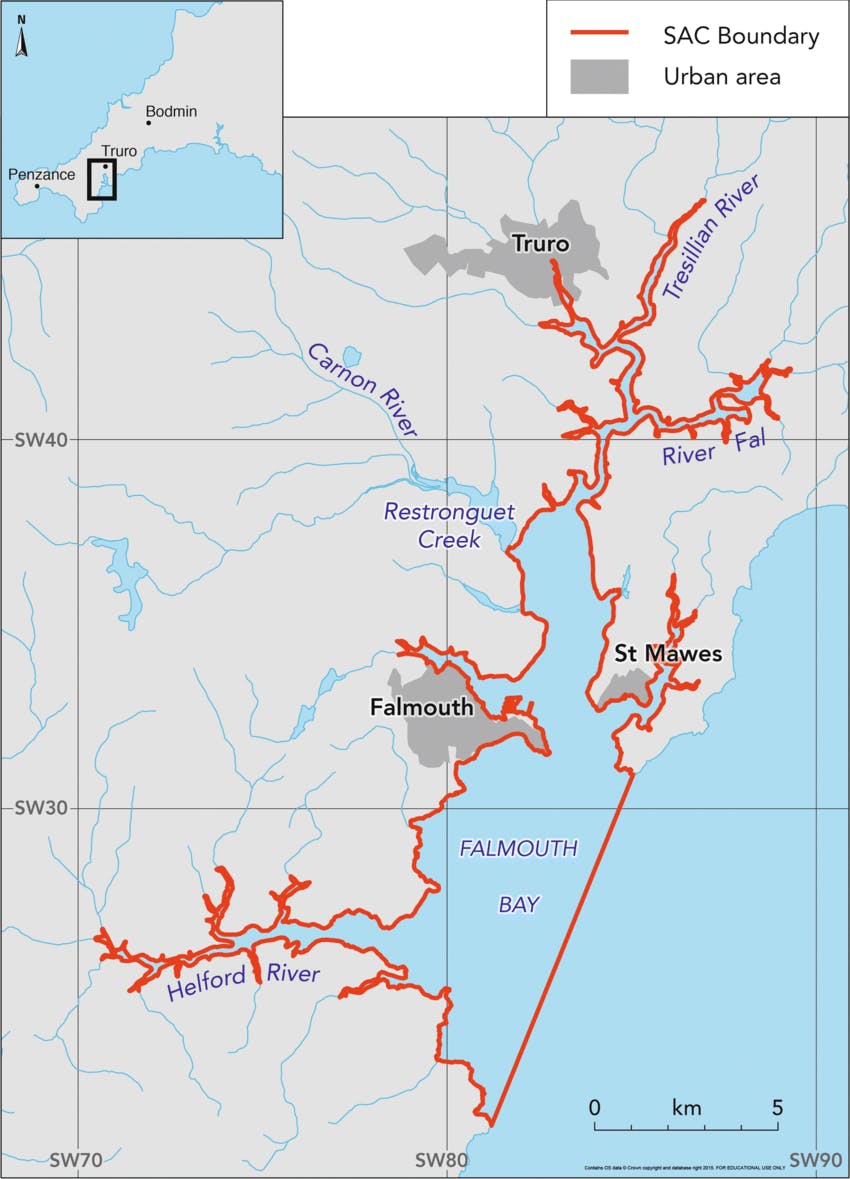
The Fal and Helford rivers on Cornwall’s south coast are rias (drowned river valleys) fed by tributaries that wind through historic mining landscapes, farmland, and woodlands. The Fal starts its life high on Goss Moor, flows past Truro into the Carrick Roads, the world’s third deepest natural harbour. Beyond, sits Falmouth Bay, framed by St. Anthony’s Lighthouse to the east and the Manacles reef to the west. The Helford, fringed in woodlands, acts as a border to the Lizard Peninsular and also empties into Falmouth Bay.

Together, this unique environment supports a range of habitats and species which together make up a Marine Protected Area (MPA). Within the MPA there are four key conservation designations:

  • Special Area of Conservation (SAC)
  • Special Protected Area (SPA)
  • Sites of Special Scientific Interest (SSSIs)
  • Marine Conservation Zone (MCZ)

In 2018, in order to meet the conservation objects of the Special Area of Conservation (SAC), Cornwall Council, employed an Estuary Officer for The Fal and Helford SAC. This officer’s job is to look specifically at the impacts of recreation on the special area of conservation.

Learn more about the SAC, it's protected habitats and the on-going conservation work here: Hidden Wonders of St.Mawes Harbour


How we protect the SAC


Development that happens within 12 and a half kilometres of the SAC, falls within what’s called the ‘zone of influence’ and might have to contribute to a planning levy. The funds from these levys are managed by the Estuary Officer and are designed to be used to reduce the impact of recreation on the SAC. To learn more about this process see The European Site Mitigation Supplementary Planning Document.

Here at Cornwall Council we’re working to minimise the impact of recreational activity and disturbance on the Fal and Helford SAC.

This includes through:

  • Estuary Boat: During the summer we run a estuary boat from which we can gather data and talk with members of the public about the way they use the space.
  • Engagement: We work to increase awareness of the SAC, the local biodiversity, and sustainable practices by speaking to people out and about, attending events and supporting other organisations who do this.
  • Monitoring: We gather data on how the area is used by people and how this might impact nature.
  • Marine Environment Fund: We fund other people to deliver projects to help reduce the impact of recreation.
  • Action for Nature: We run collaborative projects to allow recovery of the protected nature in the SAC.
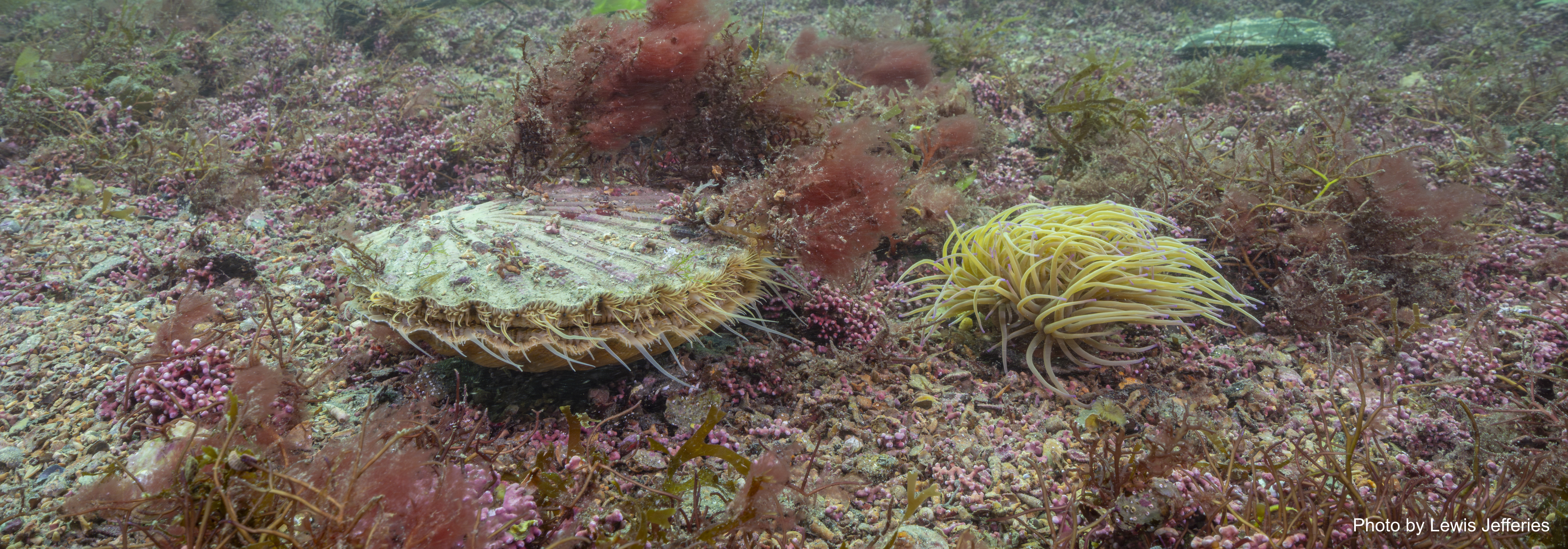

Volunteering

Would you like to volunteer on The Fal and Helford Special Area of Conservation?

Become an Estuary Volunteer! Volunteers work with the Estuary Officer to protect marine nature, encourage nature recovery, raise awareness and inspire local action.

We work with volunteers as the SAC is large and diverse, covering the area as a team is much more feasible than the estuary officer working alone. Working with volunteers increases our data collection capacity and can enhance the connection we have with local communities, as well as building long-term stewardship of the area by training of Estuary Volunteers.

More information coming soon!

In the meantime sign up to our newsletter to make sure you hear about upcoming volunteering opportunities.

Types of volunteers we are looking for:

  • Estuary Boat Volunteers

Do you like being on the water or would like to gain experience of working on a boat? Join the Estuary Officer on our weekly patrols of the estuary. (Jun–Aug).

  • Event Volunteers

Engage with people at events about the SAC and responsible recreation.

  • Estuary Ambassadors

Ambassadors at different recreational user groups and clubs; help to keep in contact with the Estuary Officer, share guidance and concerns, and promote volunteering.


Fal and Helford Nature Recovery Fund

We run a funding scheme for projects that help to reduce the impact of recreational activities on the Special Area of Conservation and it’s protected features.

More information coming soon!

In the meantime sign up to our newsletter to read about past projects we've funded and make sure you hear when we update the criteria.


What you can do


  • Take Part in a Beach Clean
    Help keep our shores beautiful and safe for wildlife by removing litter and plastic pollution. Keep your eyes open for a 2 Minute Beach Clean Station.


  • Volunteer With Us
    Get involved in local marine projects, contact us to find out about current opportunities.


  • Be an Advocate for Nature
    Share your love for wildlife and your favourite nature spots with friends, family, your workplace and community.


  • Fish Responsibly
    Follow
    local bylaws and dispose of fishing tackle properly to avoid harming marine life.


Check our the "how to be sustainable on the water" section to the right of the page for more details.

Learn more about Cornwall Councils work to restore nature across Cornwall at the Nature Recovery Hub.
Find out how you can enjoy these beautiful estuaries and minimise your impact on the wildlife and protected habitats here.


About the Fal and Helford


The Fal and Helford rivers on Cornwall’s south coast are rias (drowned river valleys) fed by tributaries that wind through historic mining landscapes, farmland, and woodlands. The Fal starts its life high on Goss Moor, flows past Truro into the Carrick Roads, the world’s third deepest natural harbour. Beyond, sits Falmouth Bay, framed by St. Anthony’s Lighthouse to the east and the Manacles reef to the west. The Helford, fringed in woodlands, acts as a border to the Lizard Peninsular and also empties into Falmouth Bay.

Together, this unique environment supports a range of habitats and species which together make up a Marine Protected Area (MPA). Within the MPA there are four key conservation designations:

  • Special Area of Conservation (SAC)
  • Special Protected Area (SPA)
  • Sites of Special Scientific Interest (SSSIs)
  • Marine Conservation Zone (MCZ)

In 2018, in order to meet the conservation objects of the Special Area of Conservation (SAC), Cornwall Council, employed an Estuary Officer for The Fal and Helford SAC. This officer’s job is to look specifically at the impacts of recreation on the special area of conservation.

Learn more about the SAC, it's protected habitats and the on-going conservation work here: Hidden Wonders of St.Mawes Harbour


How we protect the SAC


Development that happens within 12 and a half kilometres of the SAC, falls within what’s called the ‘zone of influence’ and might have to contribute to a planning levy. The funds from these levys are managed by the Estuary Officer and are designed to be used to reduce the impact of recreation on the SAC. To learn more about this process see The European Site Mitigation Supplementary Planning Document.

Here at Cornwall Council we’re working to minimise the impact of recreational activity and disturbance on the Fal and Helford SAC.

This includes through:

  • Estuary Boat: During the summer we run a estuary boat from which we can gather data and talk with members of the public about the way they use the space.
  • Engagement: We work to increase awareness of the SAC, the local biodiversity, and sustainable practices by speaking to people out and about, attending events and supporting other organisations who do this.
  • Monitoring: We gather data on how the area is used by people and how this might impact nature.
  • Marine Environment Fund: We fund other people to deliver projects to help reduce the impact of recreation.
  • Action for Nature: We run collaborative projects to allow recovery of the protected nature in the SAC.


Volunteering

Would you like to volunteer on The Fal and Helford Special Area of Conservation?

Become an Estuary Volunteer! Volunteers work with the Estuary Officer to protect marine nature, encourage nature recovery, raise awareness and inspire local action.

We work with volunteers as the SAC is large and diverse, covering the area as a team is much more feasible than the estuary officer working alone. Working with volunteers increases our data collection capacity and can enhance the connection we have with local communities, as well as building long-term stewardship of the area by training of Estuary Volunteers.

More information coming soon!

In the meantime sign up to our newsletter to make sure you hear about upcoming volunteering opportunities.

Types of volunteers we are looking for:

  • Estuary Boat Volunteers

Do you like being on the water or would like to gain experience of working on a boat? Join the Estuary Officer on our weekly patrols of the estuary. (Jun–Aug).

  • Event Volunteers

Engage with people at events about the SAC and responsible recreation.

  • Estuary Ambassadors

Ambassadors at different recreational user groups and clubs; help to keep in contact with the Estuary Officer, share guidance and concerns, and promote volunteering.


Fal and Helford Nature Recovery Fund

We run a funding scheme for projects that help to reduce the impact of recreational activities on the Special Area of Conservation and it’s protected features.

More information coming soon!

In the meantime sign up to our newsletter to read about past projects we've funded and make sure you hear when we update the criteria.


What you can do


  • Take Part in a Beach Clean
    Help keep our shores beautiful and safe for wildlife by removing litter and plastic pollution. Keep your eyes open for a 2 Minute Beach Clean Station.


  • Volunteer With Us
    Get involved in local marine projects, contact us to find out about current opportunities.


  • Be an Advocate for Nature
    Share your love for wildlife and your favourite nature spots with friends, family, your workplace and community.


  • Fish Responsibly
    Follow
    local bylaws and dispose of fishing tackle properly to avoid harming marine life.


Check our the "how to be sustainable on the water" section to the right of the page for more details.

Learn more about Cornwall Councils work to restore nature across Cornwall at the Nature Recovery Hub.


  • Oysters, antimicrobial resistance and us

    Share Oysters, antimicrobial resistance and us on Facebook Share Oysters, antimicrobial resistance and us on Twitter Share Oysters, antimicrobial resistance and us on Linkedin Email Oysters, antimicrobial resistance and us link

    The issue of wastewater treatment and disposal is growing across the country, and nowhere more so than right here in Cornwall. While organisations like Surfers Against Sewage lobby against sewage discharge in our rivers and seas, researchers right here at the University of Exeter Penryn Campus are looking into the impact of blackwater on antimicrobial resistance and the connections between this, our environment and our health.

    Blackwater is wastewater from bathrooms and kitchens that can contain all manner of contaminants, from your typical faeces and urine to more specific chemicals, microplastics, heavy metals and pathogens. The treatment and use of blackwater has many benefits, with much of it providing nutrient-rich substances for agriculture reducing the need for artificial fertilisers. But despite treatment, blackwater still contains l pathogens and levels of antibiotics, high enough to contribute to antibiotic resistance in bacteria. The result? The growing threat of antibiotic-resistant bacteria contaminating groundwater, rivers, lakes, agricultural land and eventually our seas due to wastewater runoff flowing into the ocean.

    Professor William Gaze, Professor of Microbiology at the University of Exeter, leads a large research group focusing on the environmental dimensions of antimicrobial resistance associated with wastewater and its transmission into our coast. Antimicrobial resistance, that includes resistance to antibiotics by bacteria, is now being described as a silent pandemic, occurs when bacteria, fungus, viruses and parasites no longer respond to the antimicrobial medicines we use to treat them. They’re resistant to the drug and can therefore continue to exist and cause infection. The emergence of antimicrobial resistance is a threat to human activity, reducing our ability to treat common infections, and stop the spread of disease in livestock and crops threatening our food sources.

    There is now a need to better understand the potential role that recreational water use (i.e., sea swimming, paddleboarding, surfing) plays in the transmission of antimicrobial resistance which is one aspect Will and his team are looking at. In one study it was found that when compared with non-bathers (those not using water recreationally), UK surfers were three times more likely to have antibiotic resistant E.coli in their gut. This suggests that water users could be a potential host for the spread of these antimicrobial resistant pathogens and be more likely to suffer from antibiotic resistant infections themselves.

    The Fal and Helford can have pollution problems like anywhere else on our coast, however the presence of oysters has presented Will and his team with an opportunity. Oysters are filter feeders. On average 200 liters of water passes through the gills of the oyster per day, and as it does so the oyster extracts any nutrients. But sometimes other substances get retained, including microbes that could be resistant to medical treatments. PhD student izzy Smith is looking at the oysters to see what pathogens are building up in the shellfish and are therefore in our waters. But don’t fear a tasty oyster, before being eaten they go through a process of cleaning and purging where any microbes would be expelled. The team are also looking at whether there is evolution of antibiotic resistance and whether already existing resistance found in the marine environment can be transferred to human pathogens when they enter the water, enhancing the issue of resistance.

    Understanding what is in our wastewater is just one step to understanding how it can impact our environment and our health. There is a need to better understand the role recreational water plays in antimicrobial resistance for our health and blue spaces and thanks to hard work and oysters in our local area, Will and his team are well on the way.

    If you’re concerned about wastewater in your local area, take a look at Surfers Against Sewage’s real time water quality app: Real-time Water Quality App Makes Our Seas A Safer Place - Surfers Against Sewage. Also if you are an existing user of the Safer Seas and Rivers App and swim in the sea or are a wild swimmer in rivers please consider participating in University of Exeter research directly by completing one of two surveys which you can find at https://blueadapt.eu/surveys.

    How you can help improve water quality and reduce the likelihood of antimicrobial resistance:

    • Stop the spread - Invasive Non-Native Species are spread by human activities and can cause environmental and economic damage. When leaving the water CHECK clothing and equipment for organisms and remove, then CLEAN with freshwater at home and leave to DRY before using again.
    • Black and Grey water from boats - Do not flush into the harbour. If you do not have a holding tank on board then please use onshore facilities. Holding tank emptying facilities are available at the Haven pontoons in Falmouth harbour.
    • Chemical and antifoul - Cleaning and antifouling a vessel beside or into any watercourse causes illegal pollution and can spread invasive species.
    • Litter - Please take your litter home with you and pick up aft er your dog.
    • Reduce your consumption – by reducing your own water use i.e. by flushing less or having shorter showers you will reduce the amount of waste water needing to be treated or that could end up in the environment.

    Reporting Pollution Incidents
    On land and going into water call the Environment Agency 24-hour Hotline 0800 80 70 60
    To report a pollution incident at sea contact the Coastguard 01326 317575

  • Marine Nature Recovery Framework

    Share Marine Nature Recovery Framework on Facebook Share Marine Nature Recovery Framework on Twitter Share Marine Nature Recovery Framework on Linkedin Email Marine Nature Recovery Framework link

    Work continues to develop an evidence-based, voluntary Marine Nature Recovery Framework (MNRF) with support from the Cornwall and Isles of Scilly Marine and Coastal Partnership (CIOS MCP), building on all the feedback from local people about the importance of our marine and coastal wildlife. This new Framework will align with and compliment the statutory terrestrial Local Nature Recovery Strategy which is due for consultation this Autumn. It will enable us to take an integrated approach around the coastal boundaries of Cornwall and the Isles of Scilly.

    We would like to take this opportunity to say a public thank you to everyone who has helped to shape the emerging MNRF via surveys and recent workshops. It was heartening to get consensus from our amazing network of local experts who helped shaped our draft shortlist of marine priorities and identified the pressures and actions needed. The workshop was driven by a long list of marine species and habitats derived from the results of extensive involving nearly 3000 people who responded to earlier public and strategic Nature Recovery surveys which was then rationalised to create our draft top ten marine priority list which will be subject to further consultation later this year:

    1. Cetaceans (whales, dolphins, porpoises)
    2. Seals
    3. Tuna and cod
    4. Sharks and rays
    5. Seagrass
    6. Maerl
    7. Kelp and reefs
    8. Native oysters
    9. Mussels
    10. Polychaetes

    Now that we have identified these priorities, we are focusing efforts on mapping existing areas which are important for these species and habitats and, if possible, opportunity areas where we can all focus our efforts to help maximise recovery. We will continue to keep our readers updated with our progress via this newsletter, however if you want to find out more please do email Abigail.crosby@cornwall.gov.uk

    Find out more on our dedicated page: Cornwall and the Isles of Scilly Marine Nature Recovery Framework | Let's Talk Cornwall

  • Spotlight on St Mawes

    Share Spotlight on St Mawes on Facebook Share Spotlight on St Mawes on Twitter Share Spotlight on St Mawes on Linkedin Email Spotlight on St Mawes link

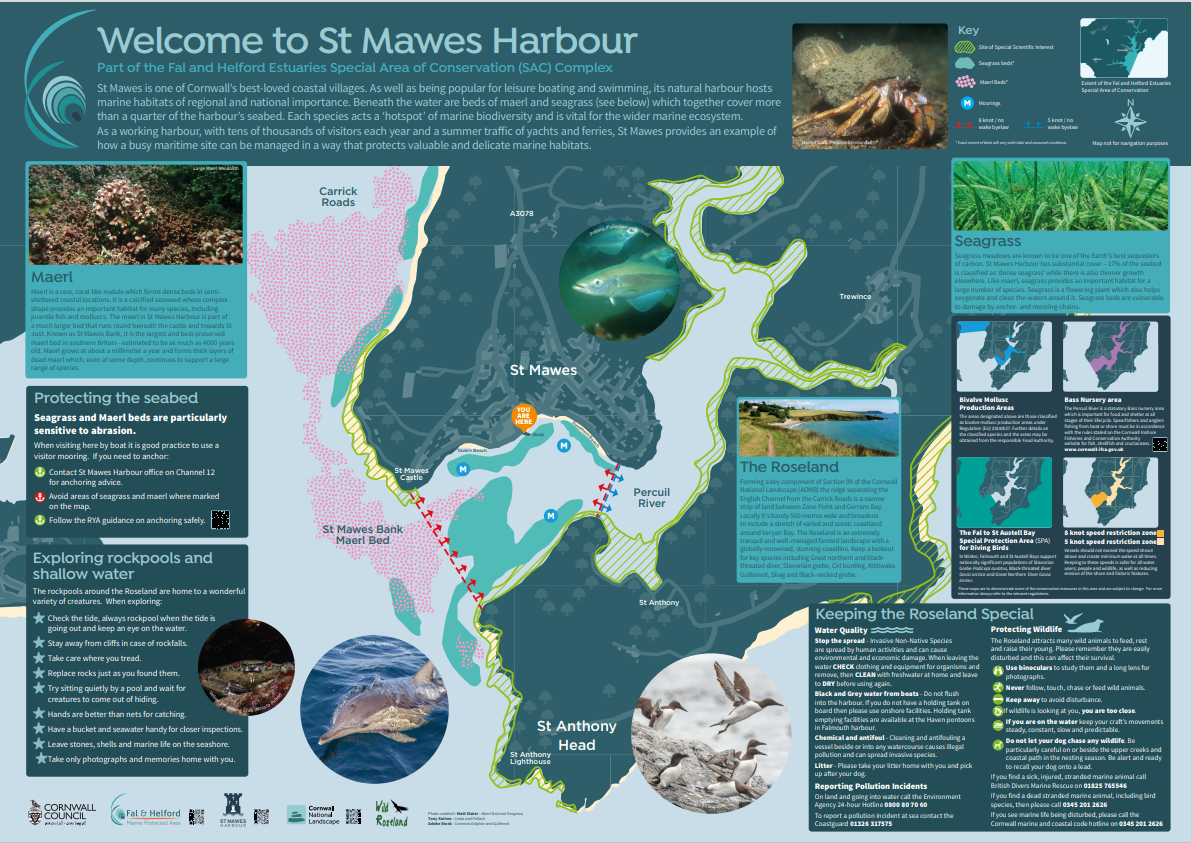
    It’s only fair to put the spotlight on St Mawes this month thanks to the amazing efforts that St Mawes harbour have made to highlight the habitats and species in their area that need protection. New protected seabed markers have gone in across the harbour to alert watercraft users to the habitats on the seafloor including seagrass and maerl. New information boards have also gone in across the area including summers beach and on the harbour so keep a look out for these when you’re out enjoying the St Mawes area.

    If you'd like a board in your area please get in touch with susan.1.scott@cornwall.gov.uk.

  • Blue Carbon Project Completed in the Fal and Helford SAC

    Share Blue Carbon Project Completed in the Fal and Helford SAC on Facebook Share Blue Carbon Project Completed in the Fal and Helford SAC on Twitter Share Blue Carbon Project Completed in the Fal and Helford SAC on Linkedin Email Blue Carbon Project Completed in the Fal and Helford SAC link

    A recent Cornwall Council project has looked at the potential of blue carbon marine habitats to tackle climate change. The study discovered not only one of the biggest amounts of a rare type of seaweed ever found in England’s waters but that it is extremely effective carbon store.


    The research, led by the University of Exeter and Natural Capital Solutions Ltd confirmed the location and extent of one of England’s biggest maerl beds, the Fal and Helford SAC with an astounding 1000 hectares in size (dead and alive maerl). The study also confirmed that the live maerl present is extremely efficient at storing carbon, storing at an estimated rate of 841 tonnes or CO2 annually. This is the equivalent to nearly 4 million petrol car miles a year and five times greater than that absorbed by the combined area of seagrass, kelp and saltmarsh also in the catchment.

    This is the first time the full extent of the maerl beds and the organic matter stored in the Fal and Helford SAC has been measured with the discovery now marking the location as a key national site for this irreplaceable blue carbon habitat. We all know how beautiful and important maerl is, but it is fantastic to see the science that can help further raise the profile of this irreplaceable habitat. Our ‘ancient woodland’ of the sea. Our Cornish maerl.

    Discovery of rare seaweed helping in the fight against climate change - Cornwall Council

    Find coverage of our amazing research below:

  • Helford Estuary Patrol Volunteers

    Share Helford Estuary Patrol Volunteers on Facebook Share Helford Estuary Patrol Volunteers on Twitter Share Helford Estuary Patrol Volunteers on Linkedin Email Helford Estuary Patrol Volunteers link
    supporting image

    The Helford estuary volunteers patrol boat keeps an eye on the beaches to make sure no one is anchoring on the main seagrass bed between Grebe Rock and Toll point, picks up litter and flotsam on the water, engages with boat users about the local wildlife, and asks anyone breaking the beach safety six knot byelaw that protects other water users to slow down. The boat is loaned to the Helford Marine conservation Group by the Port of Truro and supported and funded by the Fal and Helford Estuary Officer.

    Here is information on the Helford Voluntary Marine Conservation Area


  • Falmouth Harbour's New Sensitive Seabed Awareness Signs

    Share Falmouth Harbour's New Sensitive Seabed Awareness Signs on Facebook Share Falmouth Harbour's New Sensitive Seabed Awareness Signs on Twitter Share Falmouth Harbour's New Sensitive Seabed Awareness Signs on Linkedin Email Falmouth Harbour's New Sensitive Seabed Awareness Signs link
    supporting image


    Falmouth Harbour Commissioners have introduced Sensitive Seabed notices on their 4 knot port notices off the Falmouth Beaches-Castle, Gyllyngvase, Swanpool and Maenporth. They are also in use at Anthony and on St Mawes Bank. These highlight where there is either Seagrass or Maerl bed and extra care is to be taken when deciding where to anchor. For advice on Good Anchoring Practice here is information from the RYA

  • New Interpretation Boards for the Helford

    Share New Interpretation Boards for the Helford on Facebook Share New Interpretation Boards for the Helford on Twitter Share New Interpretation Boards for the Helford on Linkedin Email New Interpretation Boards for the Helford link
    supporting image

    The Interpretation boards situated around the Helford River are being replaced by this design funded by the Special Area of Conservation S106 fund. The objective is to have similar in strategic paces around the Fal and Truro River too. Raising awareness of the marine life and how we can all take care of it.

Page published: 10 Mar 2026, 04:13 PM