
Fal and Helford Marine Protected Area
Find out how you can enjoy these beautiful estuaries and minimise your impact on the wildlife and protected habitats here.
About the Fal and Helford
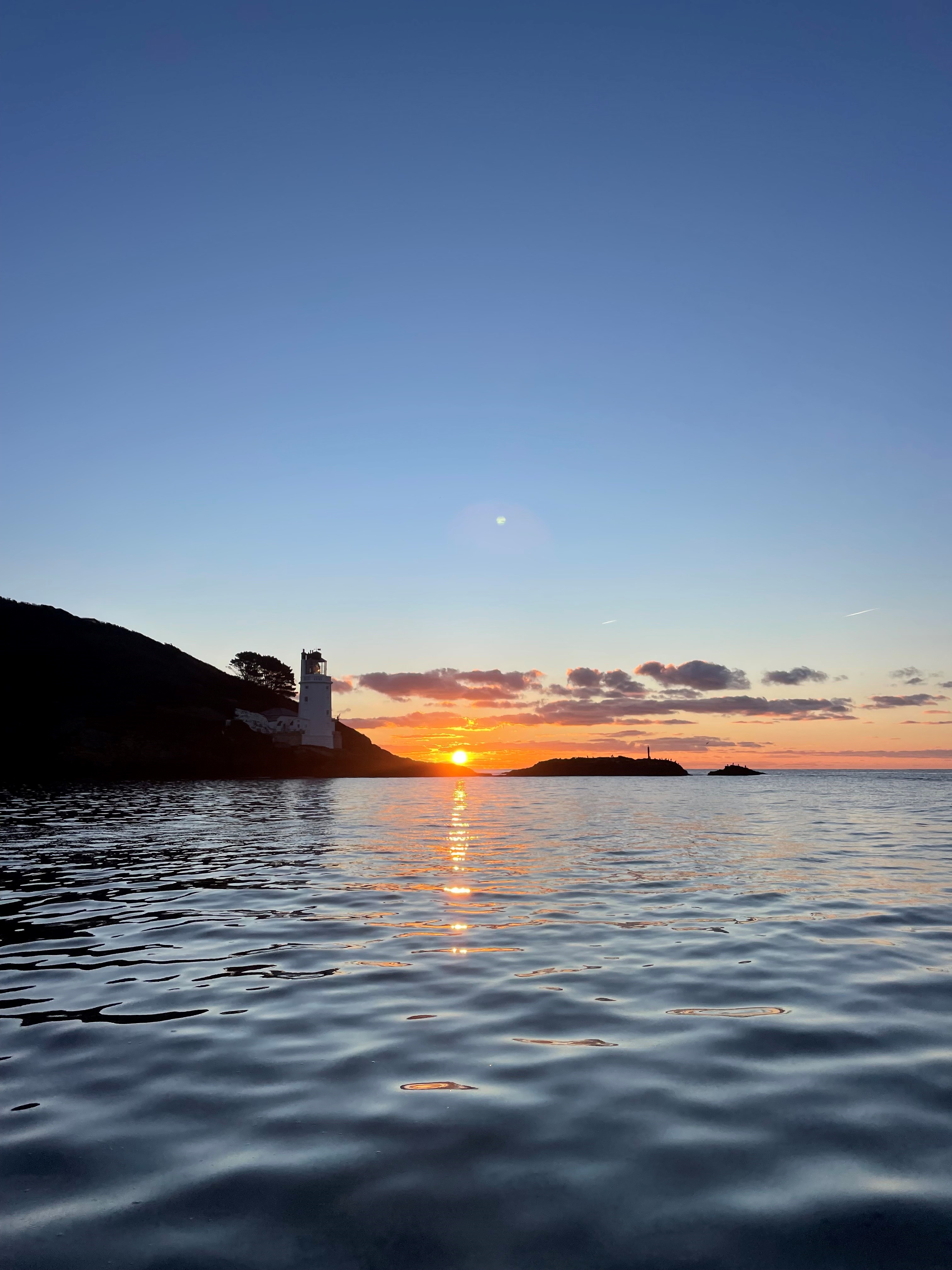
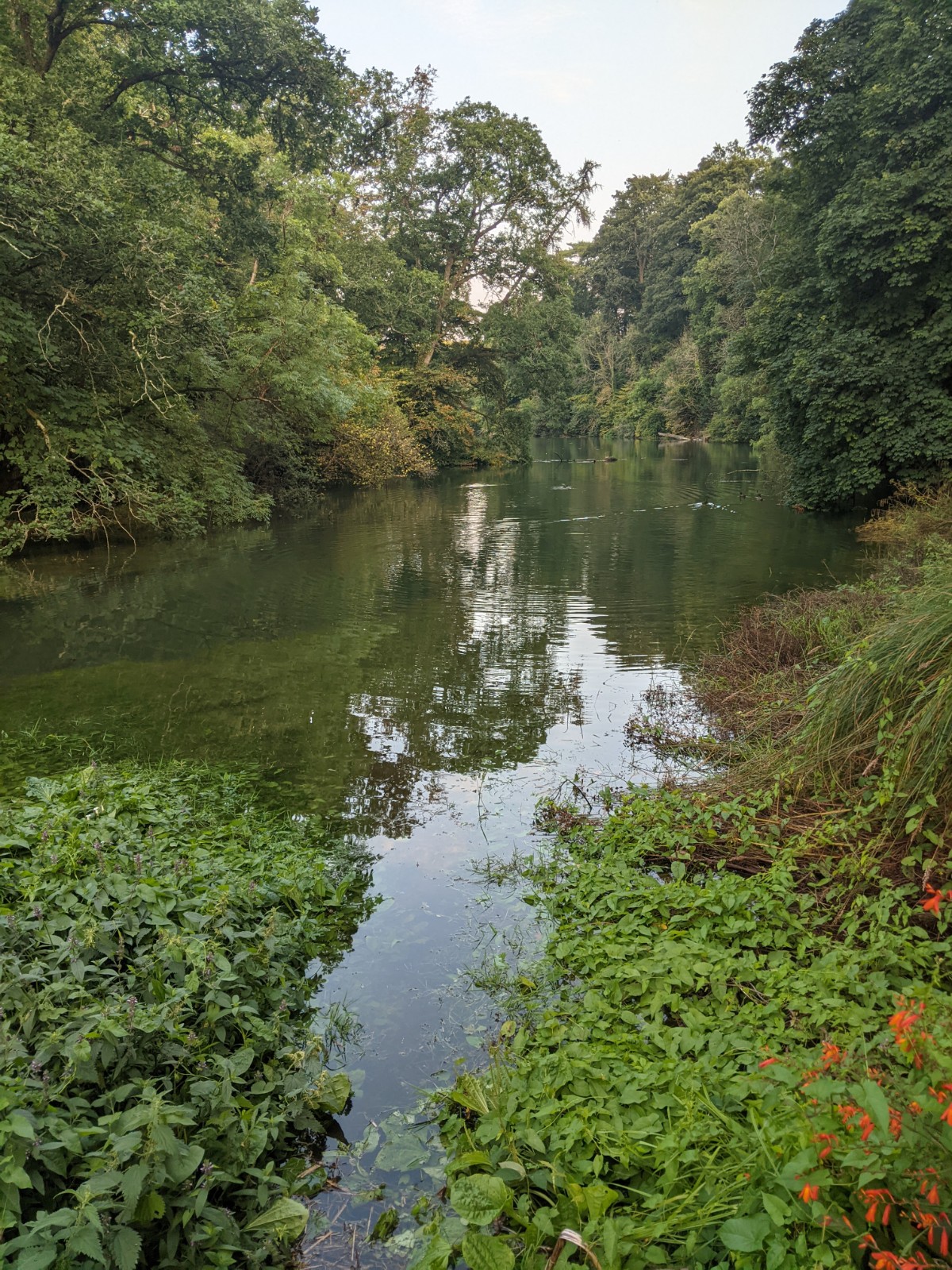
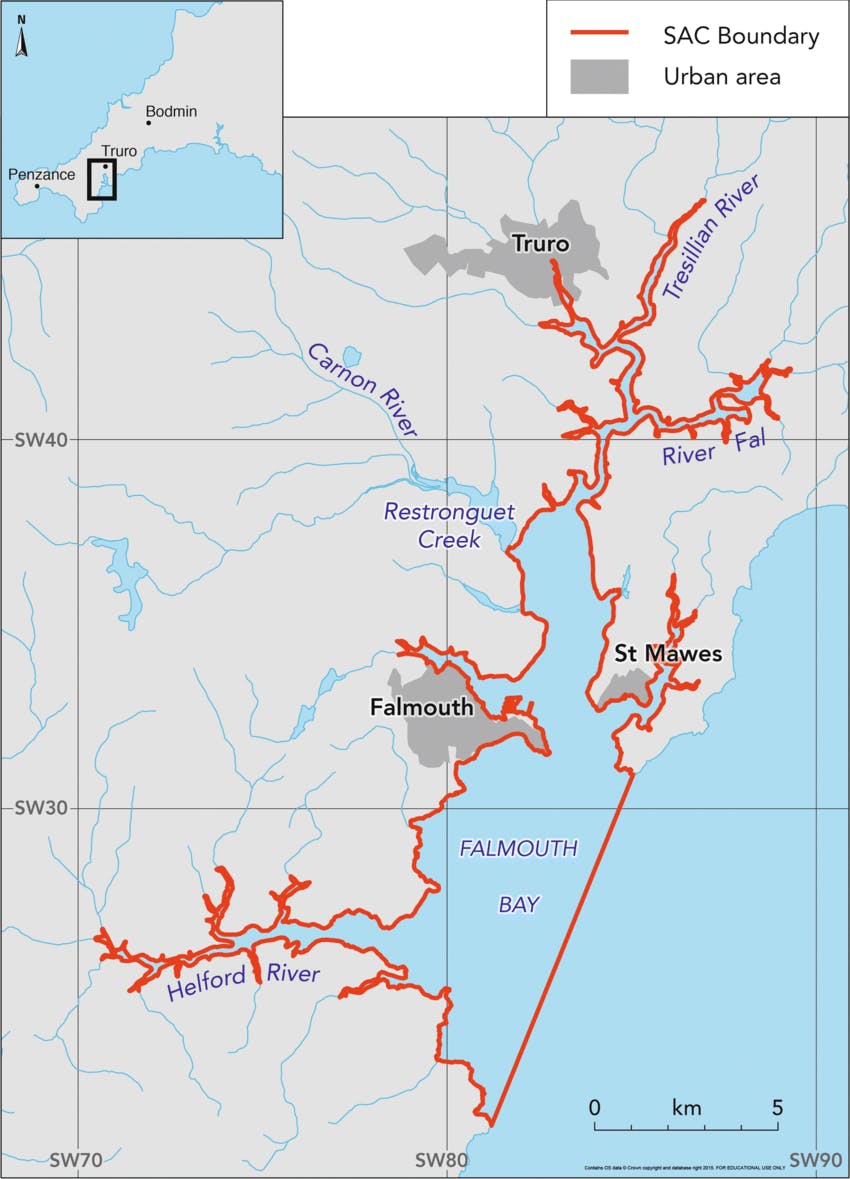
The Fal and Helford rivers on Cornwall’s south coast are rias (drowned river valleys) fed by tributaries that wind through historic mining landscapes, farmland, and woodlands. The Fal starts its life high on Goss Moor, flows past Truro into the Carrick Roads, the world’s third deepest natural harbour. Beyond, sits Falmouth Bay, framed by St. Anthony’s Lighthouse to the east and the Manacles reef to the west. The Helford, fringed in woodlands, acts as a border to the Lizard Peninsular and also empties into Falmouth Bay.
Together, this unique environment supports a range of habitats and species which together make up a Marine Protected Area (MPA). Within the MPA there are several key conservation designations:
- Fal and Helford Special Area of Conservation (SAC) classified for designated for 6 habitat types. Read more here.
- Falmouth Bay to St Austell Bay Special Protection Area (SPA) classified for 3 overwintering bird species: Black-throated Diver Gavia arctica, the Great Northern Diver Gavia immer and the Slavonian Grebe Podiceps auritus.
- Helford Estuary Marine Conservation Zone (MCZ) designated for Native Oysters Ostrea edulis.
- Intertidal and coastal Sites of Special Scientific Interest (SSSIs) designated for upland mixed ashwoods, upland oakwood, wet woodland, lowland mixed deciduous woodland, littoral rock, littoral sediment, inshore sublittoral rock, non-breeding Black-tailed Godwit Limosa limosa islandica, vascular plant assemblages and algae assemblages.
- The Manacles Marine Conservation Zone.
In 2018, in order to meet the conservation objects of the Special Area of Conservation (SAC), Cornwall Council, employed an Estuary Officer for The Fal and Helford SAC. This officer’s job is to look specifically at the impacts of recreation on the special area of conservation.
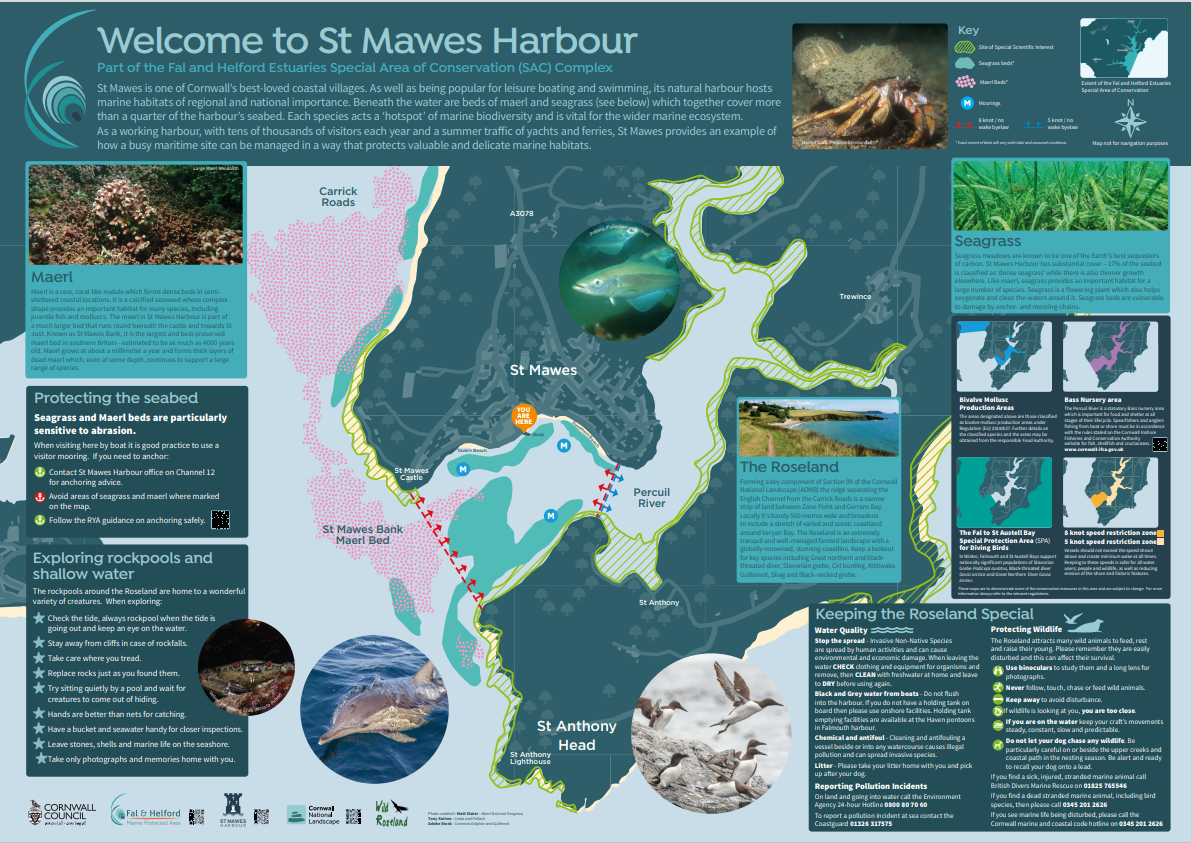
Learn more about the SAC, it's protected habitats and the on-going conservation work here: Hidden Wonders of St.Mawes Harbour
How we protect the SAC
Development that happens within 12 and a half kilometres of the SAC, falls within what’s called the ‘zone of influence’ and might have to contribute to a planning levy. The funds from these levys are managed by the Estuary Officer and are designed to be used to reduce the impact of recreation on the SAC. To learn more about this process see The European Site Mitigation Supplementary Planning Document.
Here at Cornwall Council we’re working to minimise the impact of recreational activity and disturbance on the Fal and Helford SAC.
This includes through:
- Engagement: We work to increase awareness of the SAC, the local biodiversity, and sustainable practices by speaking to people out and about, attending events and supporting other organisations who do this.
- Monitoring: We gather data on how the area is used by people and how this might impact nature.
- Marine Environment Fund: We fund other people to deliver projects to help reduce the impact of recreation.
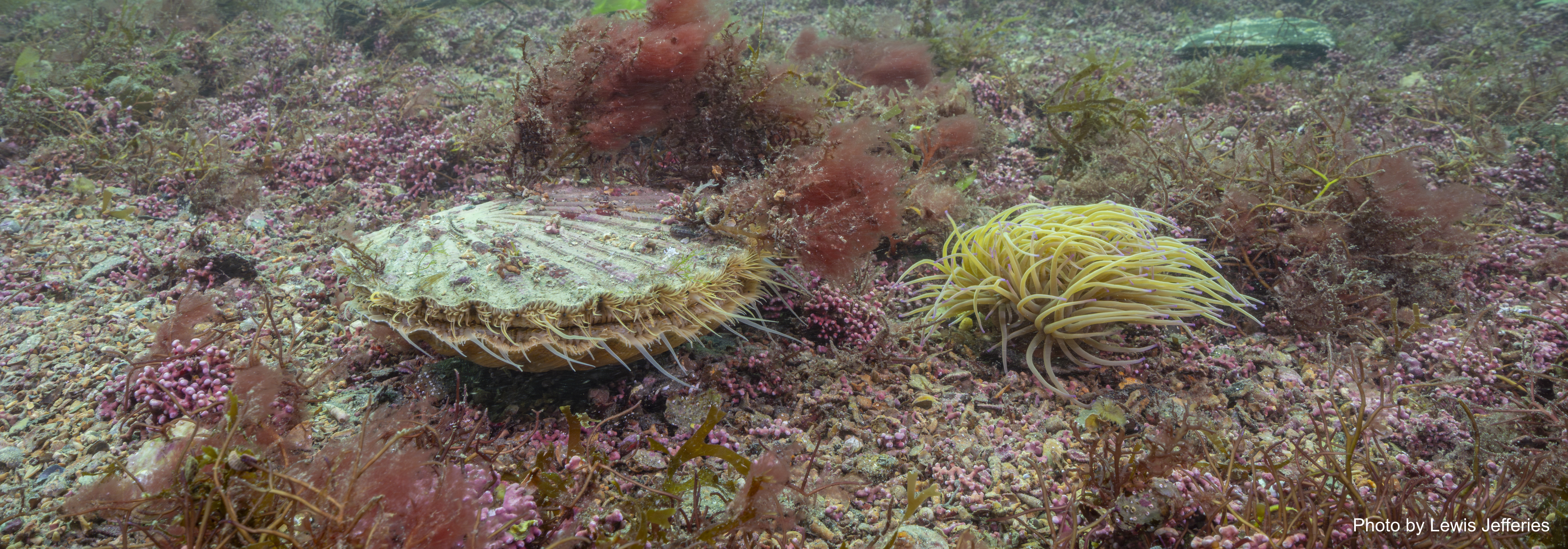
- Action for Nature: We run collaborative projects to allow recovery of the protected nature in the SAC.
Fal and Helford Nature Recovery Fund
We run a funding scheme for projects that help to reduce the impact of recreational activities on the Special Area of Conservation and it’s protected features.
More information coming soon!
In the meantime sign up to our newsletter to read about past projects we've funded and make sure you hear when we update the criteria.
What you can do
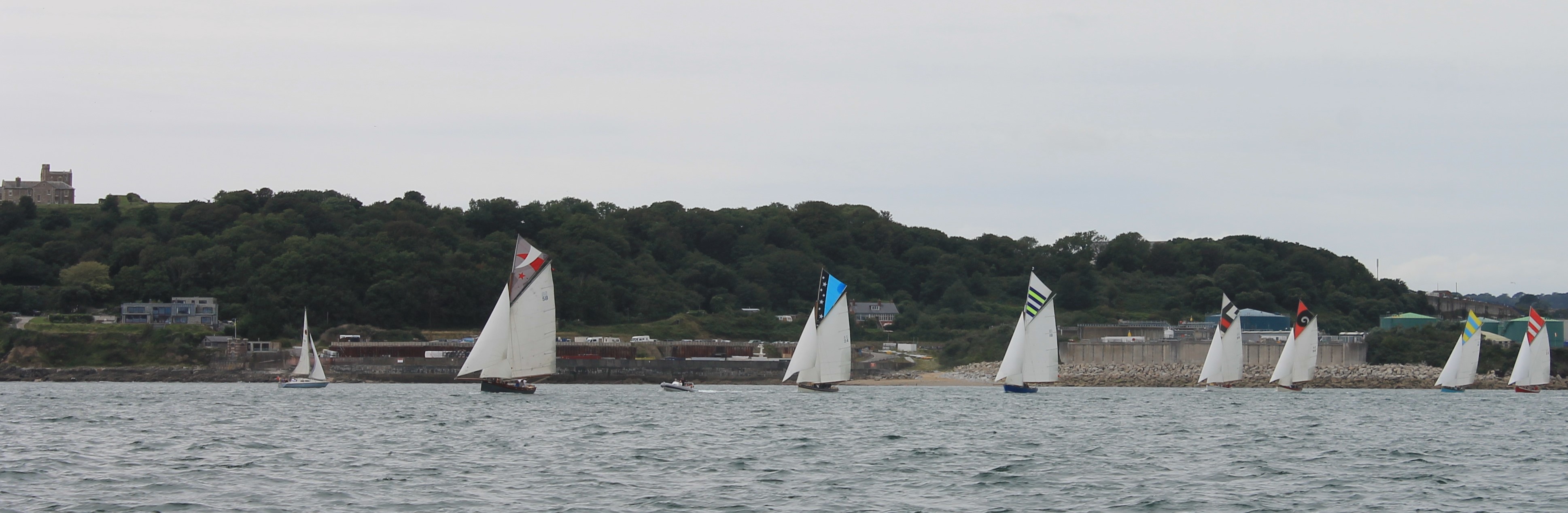
- Boaters: Protect the Estuary
Reduce your speed, avoid voluntary no-anchor zones, follow the Environmental Code of Practice and the RYA Green Blue environmental guidance.
- Join a Local Marine Conservation Group
Connect with others who care about the coast and take part in hands-on conservation efforts such as Falmouth Marine Conservation Group, Helford Marine Conservation Group and The Roseland Marine Group.
- Become a Citizen Scientist
Help protect our marine environment by joining wildlife monitoring projects such as the initiatives ran by Cornwall Wildlife Trusts Living Seas or The Rock Pool Project. You can also support water quality investigations led by the Westcountry Rivers Trust or Surfers Against Sewage. Check out the list of the right-hand side of our website for more local projects. Your observations make a real difference!
- Take Part in a Beach Clean
Help keep our shores beautiful and safe for wildlife by removing litter and plastic pollution. Keep your eyes open for a 2 Minute Beach Clean Station.
- Volunteer With Us
Get involved in local marine projects, contact us to find out about current opportunities.
- Be an Advocate for Nature
Share your love for wildlife and your favourite nature spots with friends, family, your workplace and community.
- Respect Wildlife
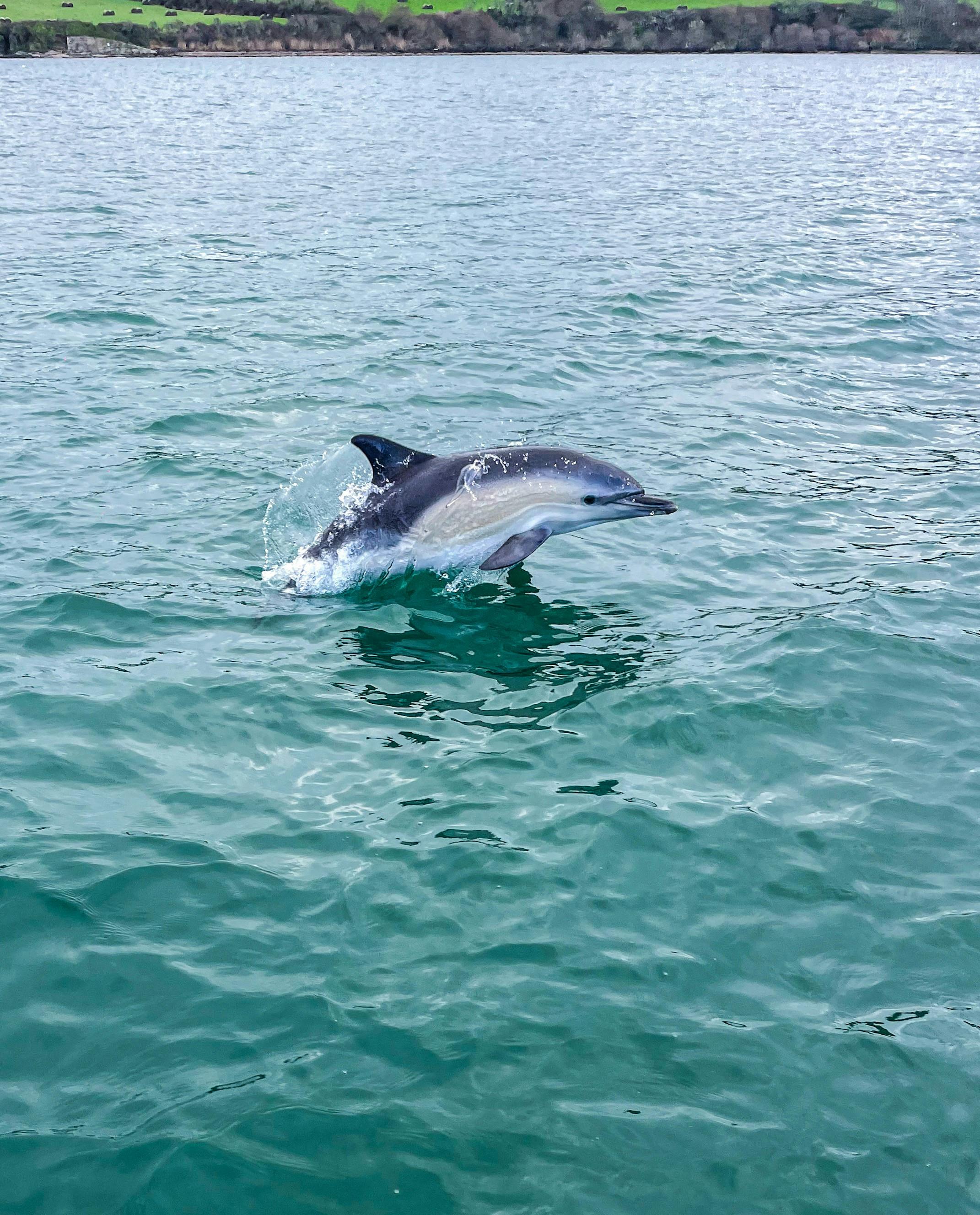
Observe from a distance - give animals space to feed, rest, and breed undisturbed. Check out guidance from The Cornwall Marine and Coastal Code Group.
- Fish Responsibly
Follow local bylaws and dispose of fishing tackle properly to avoid harming marine life.
Check our the "how to be sustainable on the water" section to the right of the page for more details.
Learn more about Cornwall Councils work to restore nature across Cornwall at the Nature Recovery Hub.
-
 Fal and Helford Information Cards
-
Boating
-
 Environmental Code of Practice for Falmouth Truro Penryn and St Mawes (815 KB) (pdf)
-
RYA Green Blue Videos
-
Fal-Helford SAC Biosecurity Plan (1.62 MB) (pdf)
-
Falmouth Black Water Pump-out Facility
-
Waste and Recycling
-
Water Pollution Prevention
-
End of Life Boats
-
Cleaning Your Boat Guide (1.3 MB) (pdf)
-
Water Use
-
Energy Efficiency
-
The Green Blue Sustainable-Boating-Event-Checklist.pdf (430 KB) (pdf)
-
Helford River Byelaw
-
-
Rock Pooling
-
Fishing
-
Pollution
-
Other Guidance



-
Recreational Mitigation
-
Fal and Helford SAC Patterns of Recreational Use Survey 2024 (3.94 MB) (PDF)
-
Fal and Helford Recreational Boating Study (2007) (6.35 MB) (pdf)
-
Recreational Patterns on the Fal and Helford Final Draft.pdf (7.77 MB) (pdf)
-
Fal and Helford SAC Recreation Mitigation Progress Report 2020-2023. (1.81 MB) (pdf)
-
Strategic Access Management and Monitoring Strategy Fal and Helford
-
LIFE ReMEDIES recreational monitoring reports
-
-
Nature Recovery
-
Conservation Action Plans
-
Voluntary No Anchor Zones and Advanced Mooring Systems