
Catalyst Girls: Education Business Partnership and the Royal Society of Chemistry Inspire Future Scientists
Another successful season has come to an end. The Education Business Partnership (EBP) would like to thank the Royal Society of Chemistry for its support. Together, we have inspired young people. They have had the opportunity to explore what chemistry can offer.
This project showed pupils where chemistry can lead. It introduced them to a wide range of jobs within the sector. Through hands-on workshops and practical activities, they discovered how chemistry is part of everyday life. They also learned how chemistry can be used to tackle big challenges. Challenges such as climate change and environmental sustainability.
By bringing science to life in an engaging and meaningful way, the project helped make chemistry more relevant. It made the subject more accessible and inspiring for the next generation.
The project, called Catalyst Girls, supported Year 8 girls. Its aim was to help them explore chemistry and learn new skills. The sessions helped build confidence, raise aspirations and inspire pupils to work hard in science.
Many pupils finished the project feeling more confident and better informed. They learned how chemistry is used in many industries. The workshops also helped pupils see how school subjects connect to the world of work.
Pupils took part in practical activities, experiments and employer-led sessions. They learned about sustainable chemistry and environmental innovation.
Pupils learned about chemicals in the ocean and the impact human activity can have on the environment. They carried out experiments to test acidity levels. They designed and made devices to help monitor acidity in the ocean. They then explained how their devices worked and presented them to their peers. This helped build confidence, gave pupils a voice and encouraged them to share their ideas with others.
They also worked with climate advisers. They learned about calcium carbonate and the important role coral plays in ocean ecosystems. Through these sessions, they explored how chemistry can help us understand and protect the natural world.
As a result, pupils developed teamwork, communication and problem-solving skills. They now have a better understanding of the importance of chemistry in everyday life. This includes the products we buy and the materials we use. They also learned how chemistry can support a greener future.
Staff reported clear links to the curriculum and valued the ideas used in the experiments. Pupils particularly enjoyed the practical activities. Many said they had not understood the importance of chemistry in our world before taking part in the project.
Please read more in the News Feed below.

-
Treviglas Academy Pupils Explore Careers in Chemistry
Share Treviglas Academy Pupils Explore Careers in Chemistry on Facebook Share Treviglas Academy Pupils Explore Careers in Chemistry on X (formerly Twitter) Share Treviglas Academy Pupils Explore Careers in Chemistry on Linkedin Email Treviglas Academy Pupils Explore Careers in Chemistry link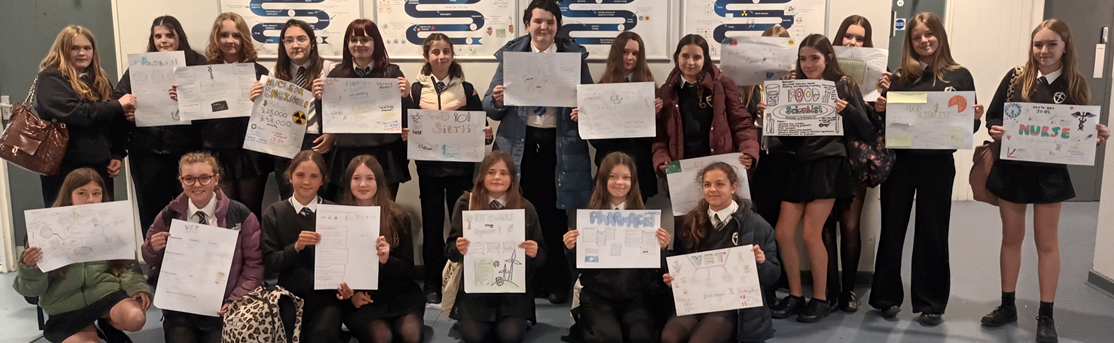 Treviglas Academy Posters
During the last sessions of Catalyst Girls at Treviglas Academy, Year 8 pupils took part in a chemistry careers workshop. The session was supported by the Royal Society of Chemistry. It aimed to help pupils see how chemistry links to real jobs.
EBP staff have really enjoyed their time at Treviglas Academy. It has been a pleasure to meet such lovely young girls and inspire them to consider careers in chemistry.
The workshop began by asking pupils to think about chemistry in a new way. It did not focus only on classroom learning. Instead, it showed the many industries where chemistry is used, including food science. A short starter activity helped pupils link science to everyday jobs. They learned that chemistry is not only used in laboratories. Pupils looked at careers in healthcare, environmental science, engineering, and sport.
Next, pupils moved on to a research task. Each pupil chose a career and explored how chemistry is used in that role. They looked at key details such as job tasks, qualifications, working hours, and career paths. This helped them understand what each job involves and how to get there.
Pupils then turned their research into clear career posters. They organised their ideas so others could understand them easily. During this task, they worked well on their own and chose useful and reliable information. The classroom soon filled with creative work. Posters showed a wide range of careers. Pupils explained how chemistry is used in each role.
The session helped pupils build important skills, such as research, organisation, and thinking skills. They were encouraged to ask questions and explore new ideas. By the end of the workshop, pupils had a better understanding of how chemistry links to the world around them. They saw that science can shape industries and create opportunities.
“The session helped me feel more confident about science and the careers I could choose.” – Pupil
We would like to thank Treviglas Academy for welcoming us into their school. We were delighted by the positive attitude of all the girls who took part in Catalyst Girls. We would also like to thank their teacher, Aimee, who made us feel very welcome.
-
Exploring ocean science through chemistry and engineering
Share Exploring ocean science through chemistry and engineering on Facebook Share Exploring ocean science through chemistry and engineering on X (formerly Twitter) Share Exploring ocean science through chemistry and engineering on Linkedin Email Exploring ocean science through chemistry and engineering link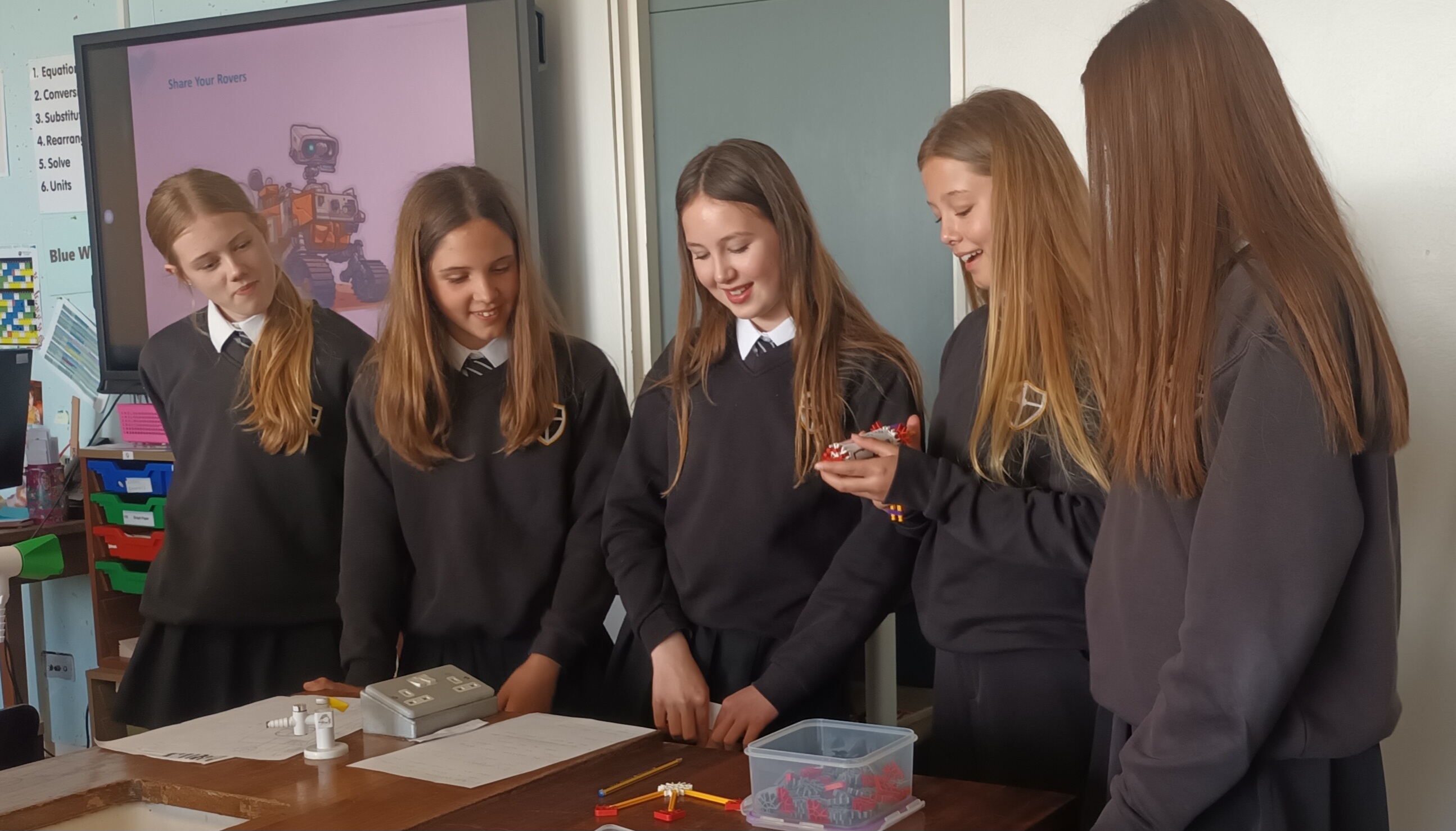 Girls PresentingIn the latest session of Catalyst Girls, delivered at Treviglas Academy, pupils took part in a hands‑on STEM workshop. This was one of a series of sessions exploring chemistry through real‑world problems linked to the ocean.
The session began with a recap of acidity in our oceans. Pupils learned how pH shows how acidic or alkaline something is. The group discussed why pH matters for people, animals, the environment, and our water.
Pupils tested different water samples, including still and sparkling water. They made predictions before testing and then compared their results. Pupils learned that sparkling water is more acidic because it contains carbon dioxide. This showed how gases can change the chemistry of water.
The session then moved on to ocean acidification. Pupils learned how carbon dioxide enters the ocean and lowers pH levels. They discussed how this affects marine life, especially shells and coral. This helped pupils understand how human actions can harm the ocean.
Pupils also explored how technology is used to study the sea. They learned how sensors, drones, and robots collect data in hard‑to‑reach places. This showed how science, technology, and engineering work together.
To end the session, pupils took part in an engineering challenge. Working in groups, they designed and built an acidity detector to measure ocean pH. Pupils chose materials, planned how their detector would work, and stayed within a set budget. They thought carefully about how acidity data could be collected and used.
Each group shared their acidity detector with their peers. Pupils explained their design choices and how their detector would work in the ocean. This helped pupils build confidence and communication skills.
The session developed teamwork, problem‑solving, and practical STEM skills. It also introduced careers in science, engineering, and environmental work. The project showed how chemistry and STEM learning can help protect the ocean and the world around us.
"I liked building the acidity detector because it helped me understand how scientists test ocean water and protect marine life." - Pupil Treviglas Academy
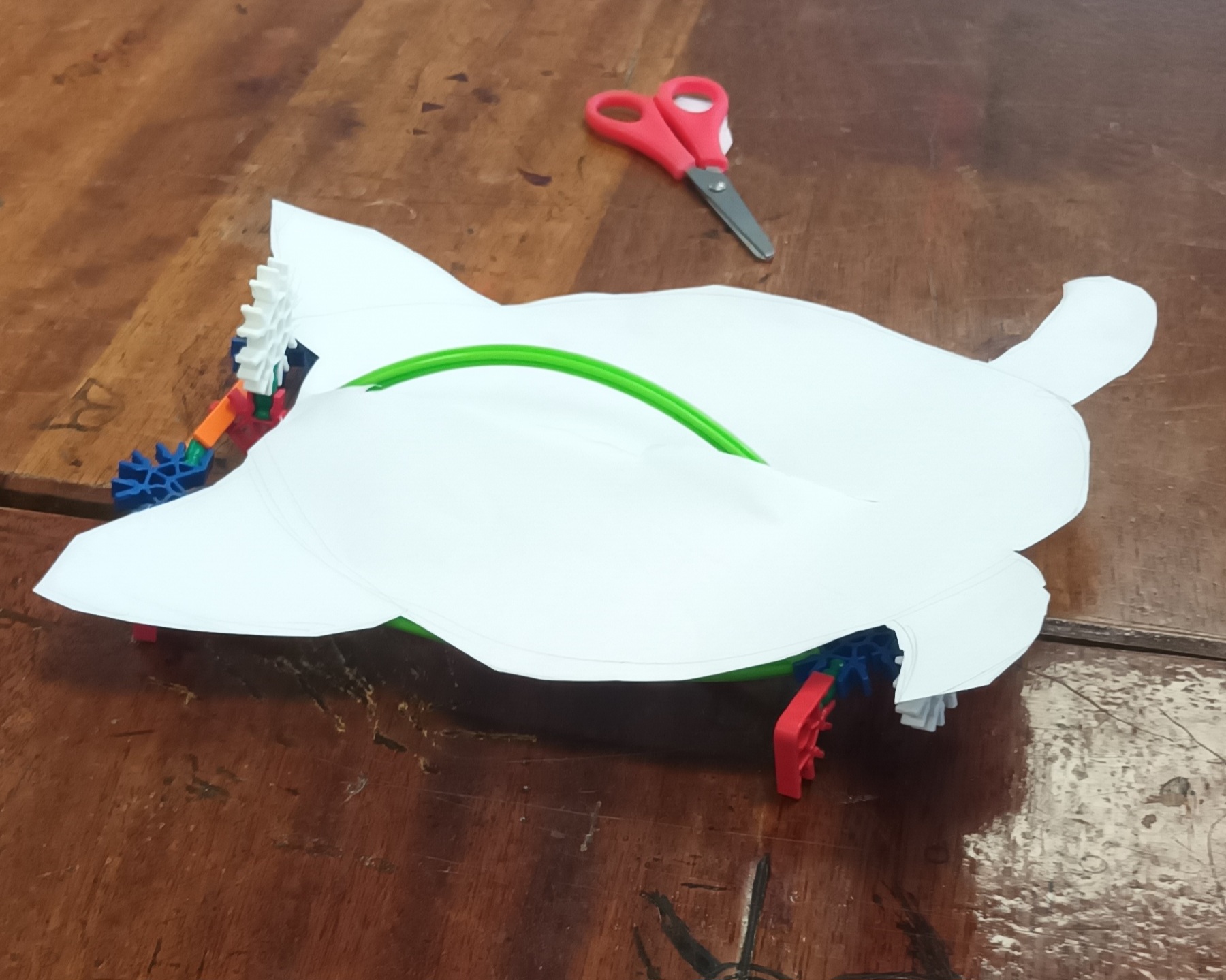 Water Rover
 -
From Chemistry to the Coast: Understanding Climate Change Locally
Share From Chemistry to the Coast: Understanding Climate Change Locally on Facebook Share From Chemistry to the Coast: Understanding Climate Change Locally on X (formerly Twitter) Share From Chemistry to the Coast: Understanding Climate Change Locally on Linkedin Email From Chemistry to the Coast: Understanding Climate Change Locally link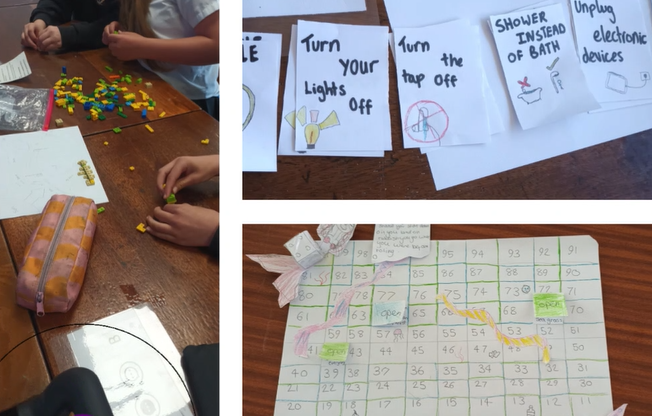 Activities at Treviglas
This week pupils at Treviglas School took part in a session about chemistry, climate change and the oceans. The lesson started with simple questions and short quizzes. Pupils talked about how Earth’s climate has changed over time. They watched short videos to learn what greenhouse gases are. Pupils learned how human actions have increased carbon dioxide in the air.
The lesson then focused on the oceans. Pupils learned how warmer seas, rising sea levels, and ocean acidification affect marine life. They explored examples from Cornwall and Devon. This included changes in local fish species and fewer sightings of basking sharks. These examples helped pupils understand how climate change affects their local area.
The lesson included strong links to chemistry. Pupils learned that carbon dioxide dissolves in seawater. They learned that this creates an acid called carbonic acid. This acid lowers the pH of the ocean. Pupils learned that a lower pH makes it harder for animals like crabs and shellfish to build strong shells. This helped pupils see how chemical reactions affect living things.
Pupils then took part in a hands‑on chemistry activity. They worked in groups using LEGO to model how ocean acidification changes chemical balance in seawater. The activity showed how fewer carbonate ions are available when oceans become more acidic. This made it harder to build shells. The task helped pupils understand chemistry through a simple visual model.
The lesson ended by looking at solutions and careers. Pupils learned how climate change can be reduced through clean energy and protecting nature. They explored jobs linked to science, the environment, and the oceans. A real career story was shared to show different pathways into this work. The lesson aimed to build confidence and interest in future careers.
"This was a fantastic session and I really enjoyed learning about our oceans and pollutants".- Pupil
A note from Hayley:
“I had a great time with the Year 8 class. They were really engaged and asked some wonderful questions. The pupils especially enjoyed the LEGO activity, which helped demonstrate the effects of a more acidic ocean on creatures that rely on specific chemicals to create and maintain their shells and skeletons. We finished the session with pupils choosing to design either a game or a poster to communicate the causes of and solutions to climate change. There were some fantastic game ideas that I would genuinely enjoy playing, showing that communication around climate change can be inspiring, engaging, and most importantly, fun.”
-
Hands‑On Chemistry at Treviglas Newquay
Share Hands‑On Chemistry at Treviglas Newquay on Facebook Share Hands‑On Chemistry at Treviglas Newquay on X (formerly Twitter) Share Hands‑On Chemistry at Treviglas Newquay on Linkedin Email Hands‑On Chemistry at Treviglas Newquay link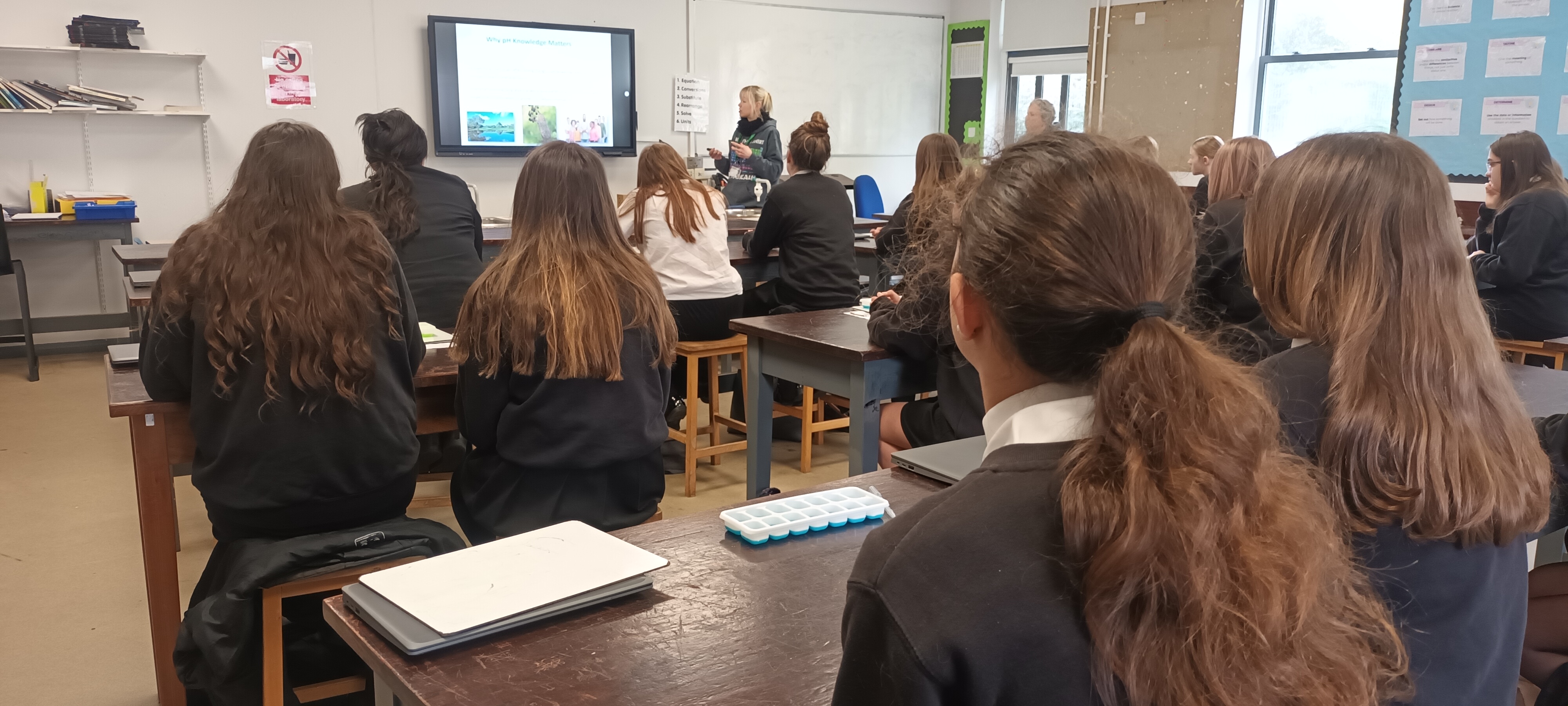 Girls Pre-testing Talk
This term, EBP is visiting Treviglas Newquay to deliver Catalyst for Girls. This is a practical science project linked to careers in science. The project focuses on Year 8 girls and aims to inspire them to consider future careers in the science field.
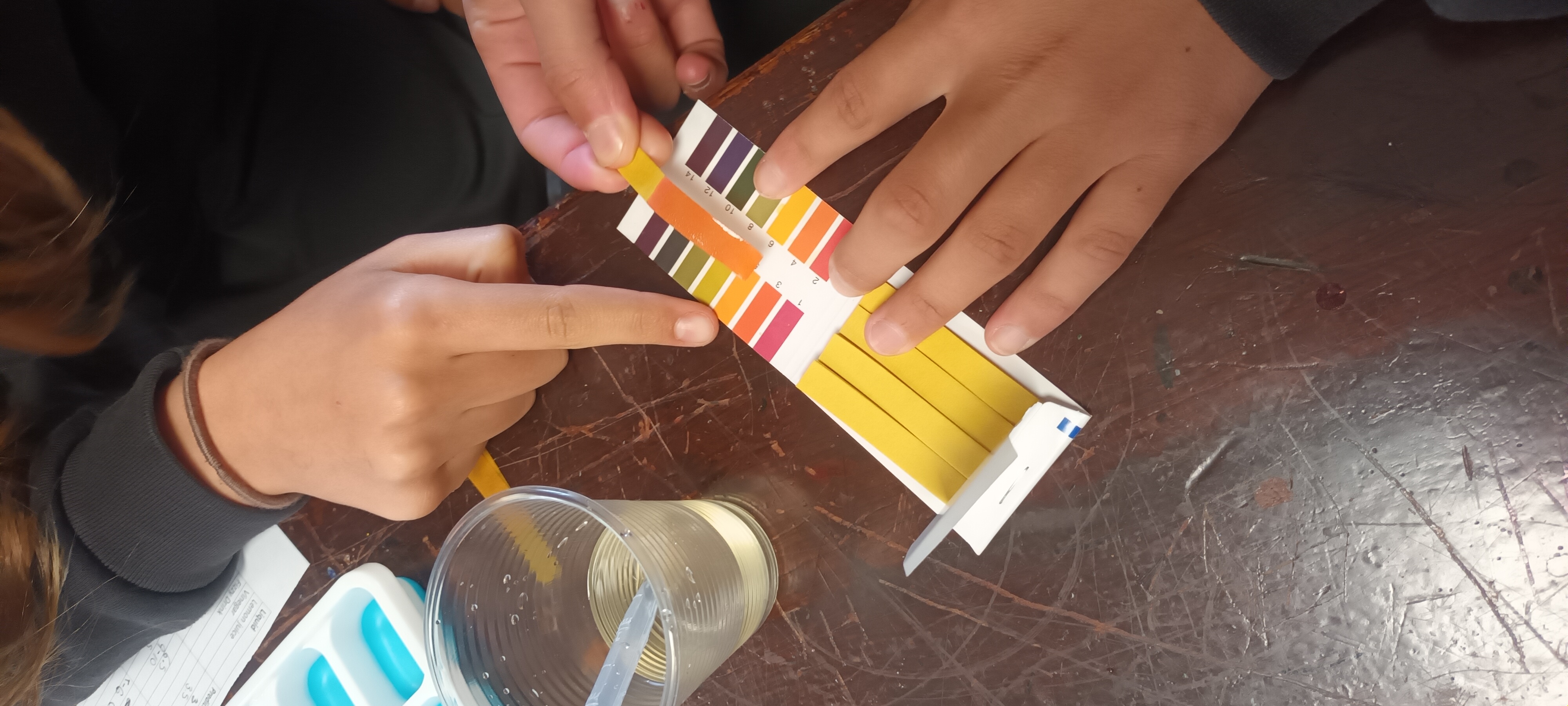
The workshop helped pupils understand how Chemistry links to everyday life and real jobs. A key focus was exploring pH levels and how different substances affect water, skin, hair, our bodies, and animals. Pupils tested a range of liquids, including products used on baby skin, adult skin, and dog hair and skin. They also explored substances we digest and products used for cleaning.
Before testing, the girls made predictions about what they thought the pH levels would be. They explained their choices and discussed what they expected to happen. The session showed why making predictions is an important skill in Chemistry. Pupils learned that chemists use predictions to guide testing and make safe decisions.
Pupils measured the pH levels of substances using indicator testing strips. They read the results using a pH chart and recorded their answers. The girls then compared their results with their original predictions. This helped them see how results can support or challenge their ideas.
The girls also tested the pH of drinking water and saltwater solutions. This allowed them to compare different types of water and see how pH levels can change. This was an important step, as the group will explore ocean acidity in the coming weeks.
The girls carried out practical experiments using clear, step‑by‑step methods. They measured, mixed, and observed changes using the indicator strips. This helped them understand how chemicals behave and react in real situations.
The session also linked science to careers. Pupils explored roles such as water testers, vets, chemists, hairdressers, and other jobs that involve mixing, testing, and analysing chemicals. These examples helped pupils see how classroom skills are used in the workplace.
By the end of the session, pupils felt more confident using equipment and following scientific processes. Many began to see Chemistry not just as a school subject, but as a useful skill for the future. The workshop built curiosity, teamwork, and confidence, and showed pupils that many STEM careers are open to them.
“I want to be a veterinary nurse, and learning about pH levels helped me see how Chemistry is used to care for animals. It showed me why working hard in science is important.” - Pupil
A huge thank you to Amy Rounsevell, their dedicated teacher, for helping to organise the day and support the session.
-
Discovering Chemistry at Discovering42
Share Discovering Chemistry at Discovering42 on Facebook Share Discovering Chemistry at Discovering42 on X (formerly Twitter) Share Discovering Chemistry at Discovering42 on Linkedin Email Discovering Chemistry at Discovering42 link Mocktails
This term pupils from Bodmin College took part in an exciting trip to Discovering42 in Bodmin. This visit gave pupils the chance to explore science in a creative and hands-on environment. As part of the trip, pupils also took part in a mocktail workshop. They explored chemistry through fun, tasty activities.
Discovering42 is a unique space that brings science, art, and the environment together. The exhibition uses up cycled materials to create interactive displays. This helped pupils see that science can be creative and linked to real-world issues such as sustainability and climate change.
During the visit, pupils took part in a mocktail workshop. This activity focused on how different liquids behave. Pupils created layered drinks and watched colours change as they mixed ingredients. They also experimented with edible jelly and explored how textures and shapes can change.
This hands-on activity helped pupils understand key ideas in chemistry. They saw how density affects how liquids layer and how reactions can change colour and appearance. The session made complex ideas simple and engaging.
Pupils were encouraged to explore, test ideas, and ask questions. The space allowed them to learn through play, which helped build curiosity and confidence. They worked together and shared their findings, developing teamwork and communication skills.
The visit also helped pupils see how science links to real careers. They learned that skills in chemistry, engineering, and environmental science can be used to solve real problems. The creative setting showed that there are many different pathways into science.
By the end of the trip, pupils had a better understanding of how science can be both practical and creative. They saw that learning does not just happen in the classroom and that trying new ideas can lead to new discoveries.
“The workshop was really fun. I liked seeing the colours change and learning how it all worked.” - Pupil
This visit to Discovering42 gave pupils a valuable chance to experience science in a new way. It helped inspire them to think differently and see how they can be part of the future of science.
-
Bodmin College Pupils Explore Ocean Chemistry and Its Impact on Marine Life
Share Bodmin College Pupils Explore Ocean Chemistry and Its Impact on Marine Life on Facebook Share Bodmin College Pupils Explore Ocean Chemistry and Its Impact on Marine Life on X (formerly Twitter) Share Bodmin College Pupils Explore Ocean Chemistry and Its Impact on Marine Life on Linkedin Email Bodmin College Pupils Explore Ocean Chemistry and Its Impact on Marine Life link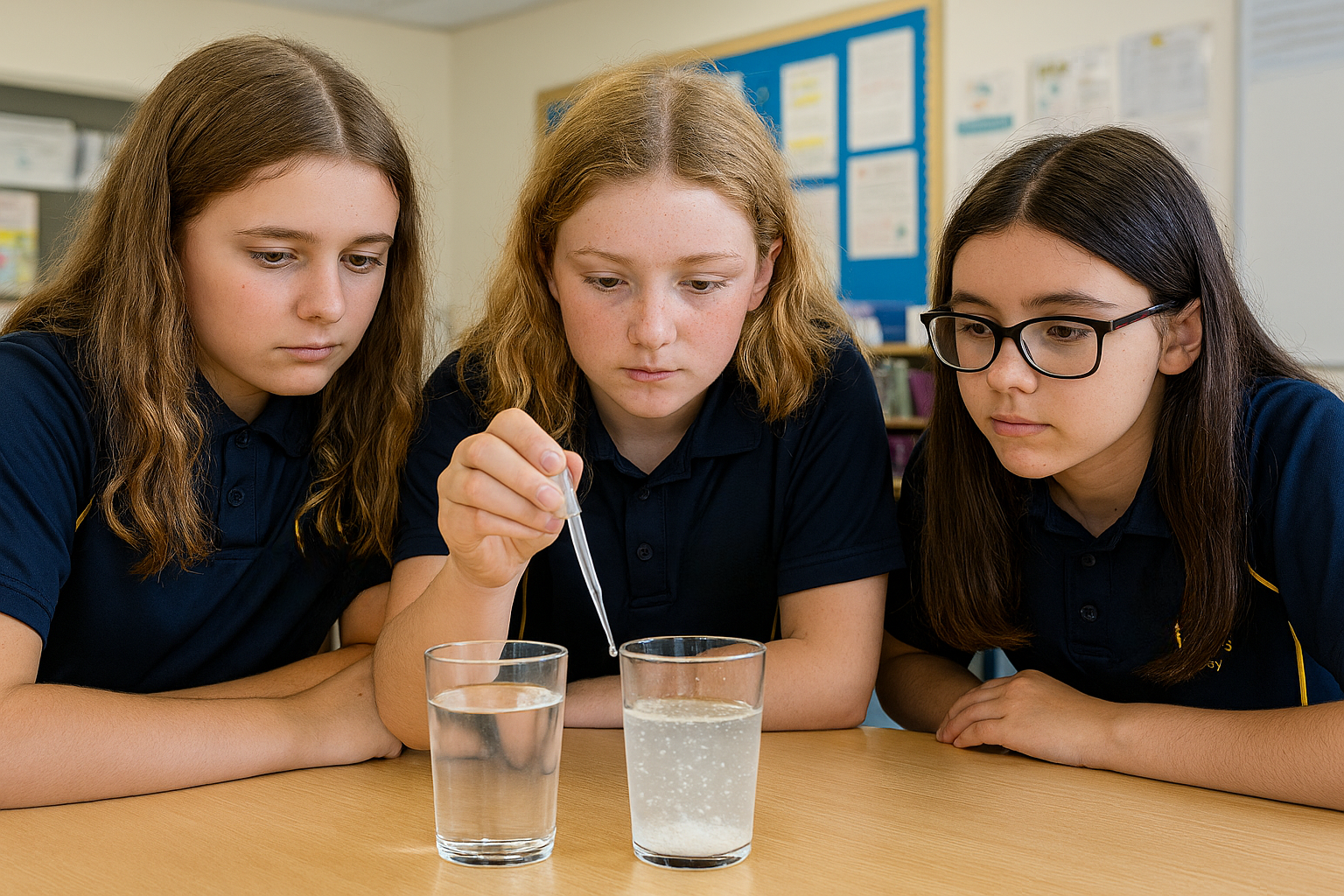 Experiment in Action
This term, pupils at Bodmin College took part in a session about how chemistry in the ocean affects marine animals. The workshop linked science learning to real environmental issues. It helped pupils understand how changes in the ocean can affect living things.
The session began with simple questions and short quizzes. Pupils talked about how the Earth’s climate has changed over time. They learned about greenhouse gases and how human activity has increased carbon dioxide in the air.
The lesson then moved on to the oceans. Pupils learned how carbon dioxide from the air enters the sea and changes the chemistry of the water. They found out that when carbon dioxide dissolves in seawater, it forms carbonic acid. This makes the ocean more acidic.
Pupils then looked at how this affects marine life. They learned that animals such as crabs, shellfish, and corals need carbonate in the water to build strong shells and skeletons. When the ocean becomes more acidic, it is harder for these animals to grow and survive. Local examples helped pupils understand how this can affect coastal areas.
Pupils then took part in a hands-on chemistry experiment. In small groups, they tested how acid affects materials like shells. They placed chalk or eggshells into water and a weak acid solution. They watched what happened and recorded their results.
The experiment helped pupils see how acid can break down materials. They saw that the chalk or shell began to wear away in the acidic liquid. This helped them understand how ocean acidification can weaken marine life.
Pupils worked together to share their results and ideas. This helped them build skills in teamwork, observation, and scientific thinking.
The session also looked at careers. Pupils learned about jobs in marine science, environmental work, and conservation. They saw how chemistry is important in protecting the oceans. This helped them link their learning to future careers.
By the end of the session, pupils had a clear understanding of how chemistry affects the ocean and marine life. They could explain how carbon dioxide changes seawater and why it matters.
"I never thought about Chemistry in the ocean or the impact we have on marine life. This lesson has helped me see what impact we are having on our oceans and how important a career in science could be for me" - Pupil
This session at Bodmin College made science clear and engaging. It helped pupils connect chemistry to real life and think about how they can protect the environment in the future.
-
A Future in Chemistry: Inspiring STEM Careers With Catalyst Girls Cornwall
Share A Future in Chemistry: Inspiring STEM Careers With Catalyst Girls Cornwall on Facebook Share A Future in Chemistry: Inspiring STEM Careers With Catalyst Girls Cornwall on X (formerly Twitter) Share A Future in Chemistry: Inspiring STEM Careers With Catalyst Girls Cornwall on Linkedin Email A Future in Chemistry: Inspiring STEM Careers With Catalyst Girls Cornwall link Posters
Recently, Year 8 pupils at Sir James Smith Secondary School took part in a series of chemistry careers workshops. These workshops are part of the Catalyst Girls Cornwall programme and they are supported by the Royal Society of Chemistry. The programme encourages girls to explore Chemistry, and see how science can shape their futures.
One workshop was called A Future in Chemistry. It showed pupils how chemistry links to real jobs. We wanted them to picture themselves working in science one day. We also hoped to inspire them to pursue a career in chemistry.
The session began with an interactive quiz. Pupils learned about careers that use chemistry. These included radiography, aerospace engineering, and sports science. They looked at what each job involves and saw how chemistry connects to many industries. They learned that many jobs use chemistry. Jobs including medicine, engineering, sports, product design, and environmental work.
The quiz helped them understand why their science lessons matter. It showed them that what they learn in school appears in real workplaces and that people use chemistry everyday. They learned the importance it plays in many jobs.
After the quiz, the pupils moved on to their main task. They were asked to design an A3 careers poster linked to chemistry. Each pupil chose a STEM job to research and present. They had to include the job title, yearly salary and weekly hours. They also considered career prospects, daily tasks, and the education needed to enter the role. The pupils researched their chosen career online. They then created posters that explained how chemistry fits into that job. This helped them break down complex information into simple, clear points that others could understand.
As they worked, the classroom filled with colourful and detailed posters. Some pupils chose careers in healthcare. They learned how radiographers use imaging equipment to help diagnose patients. Others looked at engineering roles, such as aerospace engineers. They learned that these jobs work with materials and fuels and that chemistry is an important part of the work. Pupils also explored sports science. They explained how chemistry helps athletes understand energy use, nutrition, and recovery. Their posters showed strong research skills and a clear understanding of how chemistry links to real jobs. Many posters used diagrams, colour coding, timelines, and examples to make their ideas easy to follow.
The pupils learned that chemistry connects to many different careers and that there are many paths they can take. They also gained confidence in researching information and presenting what they had learned. They understood more about qualifications and the steps needed to reach their chosen careers. The activity helped them practise communication and presentation skills. They learned the importance of speaking confidently to others. The quality of work was very high, and their posters showed real care, thought, and effort.
The main message was that chemistry is essential. We want young people to feel confident in this subject because it can lead to many successful careers. During the workshop, pupils became scientists and practised important skills. They gathered information, made decisions, and worked as a team. They also saw that chemistry appears in the world around them and shapes many of the products and services we use every day. By the end, they had gained new knowledge about the wide range of jobs they can choose from in the future.
This workshop encouraged pupils to think about their futures and inspired them to explore the many careers linked to chemistry. The session used a quiz, research, and poster design to make career learning practical and enjoyable. It also supported the aims of the Royal Society of Chemistry and Catalyst Girls Cornwall. The workshop encouraged young women to enjoy science and to explore how chemistry is used in real life.
"It helped them think about future opportunities in STEM. The session prepared pupils for more hands‑on activities that will build their ambition, confidence, and curiosity about science." - Jo Ledger
-
Fowey River Academy Inspired
Share Fowey River Academy Inspired on Facebook Share Fowey River Academy Inspired on X (formerly Twitter) Share Fowey River Academy Inspired on Linkedin Email Fowey River Academy Inspired link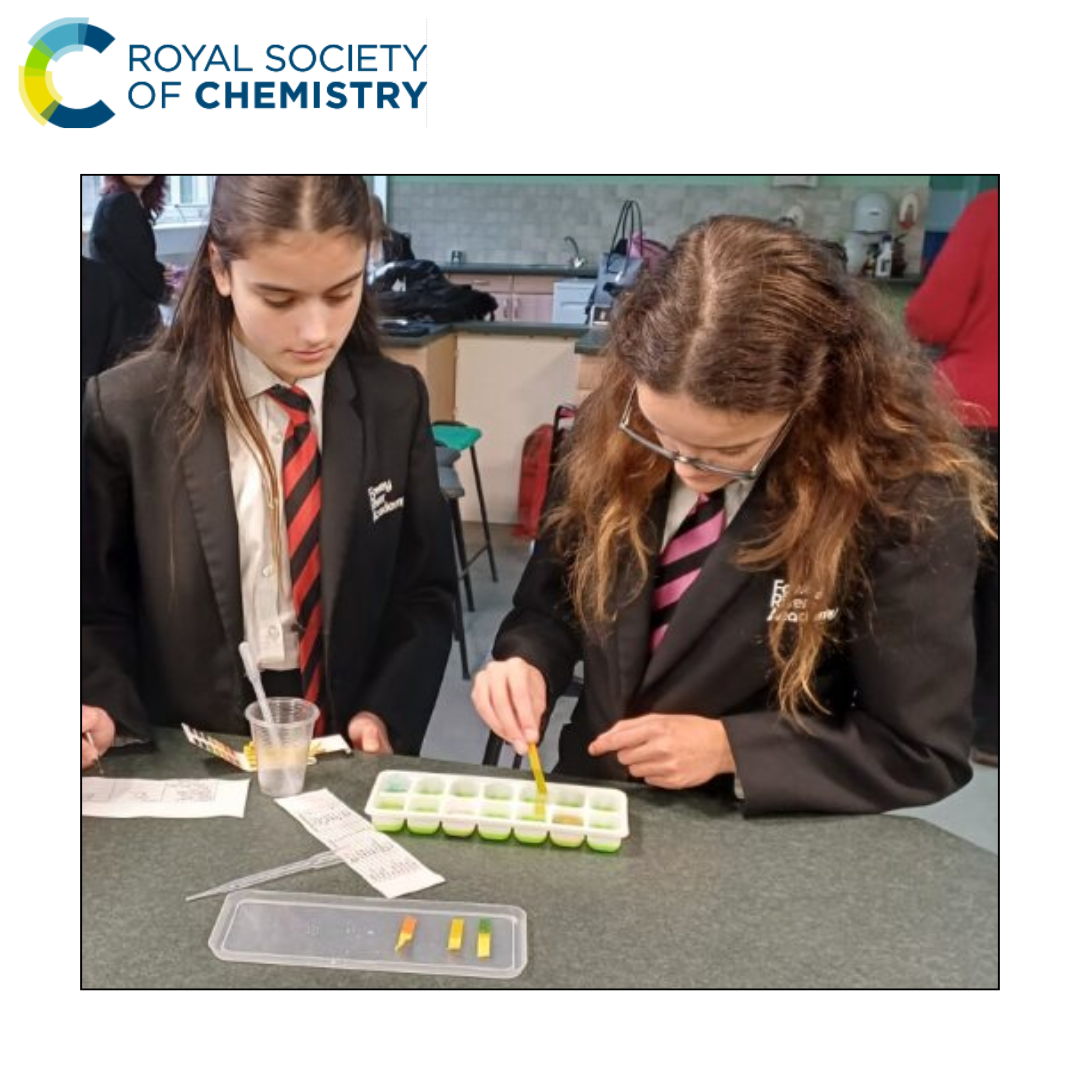 Girls Experiments
This season, EBP visited Fowey River Academy. During one session, Year 8 girls took part in a hands‑on workshop exploring how Chemistry is used in everyday careers. This employer‑engagement activity gave pupils the chance to make their own lip balm while learning about real‑world applications of science. We helped make science feel relevant by showing pupils that Chemistry is all around them — from the products they use in their hair to the items they rely on at home each day.
We applied science in a practical way helping them see how Chemistry works in real life. The process had clear steps: mixing, heating and cooling. The Year 8 girls carried out each step of the experiment themselves, applying science and learning new skills through the whole activity. They watched the ingredients melt, blend and solidify into lip balm. This helped them to see how simple ingredients can change and react into something they can use.
The main message is that Chemistry is exciting. They learned that Chemistry is fun and how it links to the cosmetics industry. Pupils built confidence through the experiment. They learned new skills, solved problems, and worked together as a team. All pupils left seeing that Chemistry is not only interesting but also a skill that can shape their futures.
For some pupils, the workshop changed how they felt about science. They left feeling more curious and more sure of their abilities after seeing their own product take shape.
The impact of this session was clear. Pupils became more confident using scientific tools and following a step‑by‑step process. Many began to see science not just as a school subject, but as a skill they could use in future jobs. The activity built teamwork, decision‑making, and problem‑solving skills. Several pupils said the workshop made them think differently about Chemistry and helped them see that STEM careers are open to them. This hands‑on experience helped them feel more able, sparked new interests, and showed them that they can work in science, engineering, or other STEM roles.
"My next steps are to keep building pupils’ confidence in Chemistry and to offer more hands‑on projects. Future sessions will inspire pupils to explore science‑based careers." - Education Project manager
-
Catalyst Girls Visit Fowey River Academy
Share Catalyst Girls Visit Fowey River Academy on Facebook Share Catalyst Girls Visit Fowey River Academy on X (formerly Twitter) Share Catalyst Girls Visit Fowey River Academy on Linkedin Email Catalyst Girls Visit Fowey River Academy link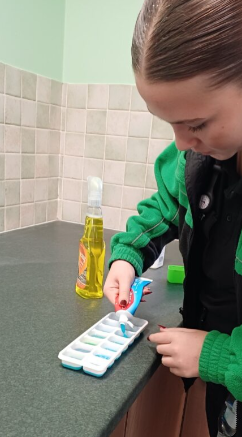 Testing
Fowey River Academy and the Education Business Partnership (EBP)
Chemistry is everywhere. This week, pupils at Fowey River Academy learned how much it shapes our daily lives. From the products we use at home to the water we drink, chemistry keeps us safe.
Our workshop is part of the Royal Society of Chemistry (RSC) project, funded by the RSC. It gave Year 8 pupils the chance to explore chemistry through hands-on experiments and real-world examples.
The first session focused on pH testing. Pupils tested everyday household items and food and drinks to see if they were acidic, neutral, or alkaline. They made predictions and explained their reasoning. Then they tested their ideas. Watching their faces light up when they saw the results was priceless.
This activity taught an important lesson. Scientists use chemicals to make products we rely on every day. Testing is essential to keep those products safe. Pupils learned that pH testing shows what could harm us and why safety checks matter.
We also explored how pH is used in the environment, on farms, in gardens, and in water systems. Pupils discovered how pH affects soil health and crop growth. They learned why water companies monitor pH to keep drinking water safe. They even learned about the role of professionals at South West Water. The pupils gained insights into careers that protect public health and the environment.
The session gave pupils a glimpse into the life of a scientist. It sparked curiosity about careers in chemistry. Many shared ambitions such as working in environmental science roles. These conversations are why we run these sessions: to inspire and encourage pupils to see the possibilities ahead.
One pupil summed it up perfectly: “This was a fantastic session and I enjoyed learning about what chemists do.”
We look forward to continuing these workshops and helping the next generation discover the power of science in everyday life.
-
Catalyst Girls Begins at Brannel
Share Catalyst Girls Begins at Brannel on Facebook Share Catalyst Girls Begins at Brannel on X (formerly Twitter) Share Catalyst Girls Begins at Brannel on Linkedin Email Catalyst Girls Begins at Brannel link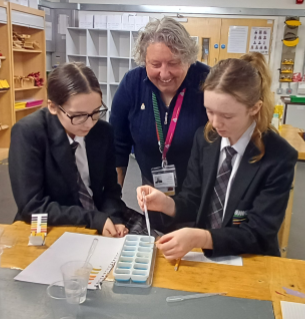 Girl Power
Chemistry Sessions at Brannel School
The Education Business Partnership (EBP) has launched the ‘Catalyst for Girls’ initiative at Brannel School as part of our Royal Society of Chemistry (RSC) project, funded by the RSC. The project delivers a series of workshops for Year 8 pupils, designed to build confidence, leadership, and teamwork while introducing students to careers in chemistry. Through hands-on activities, the sessions aim to spark curiosity, encourage critical thinking, and show that chemistry is fun and all around us.
This week, EBP started our chemistry sessions at Brannel School. It was fantastic to see such an amazing group of young ladies dive into science. The classroom buzzed with excitement as they rolled up their sleeves and got ready to experiment.
Our focus was pH testing. The pupils had to find out if everyday household items are acidic, neutral, or alkaline. The pupils made predictions and explained their reasoning. Then came the moment of truth: testing their ideas. Watching their faces light up when they discovered whether they were right was priceless.
This activity taught an important lesson. Scientists make predictions, but they also record results with care. Accuracy and precision matter. The girls learned that science is not just about answers—it’s about the process.
The session gave them a glimpse into the life of a scientist. They saw the kind of tasks research scientists do every day. It sparked curiosity about careers in chemistry. Many shared their dreams—working for the NHS, becoming veterinarians. Others were looking forward to exploring other science-based roles. These conversations are why we run these sessions: to inspire and encourage pupils to see the possibilities ahead.
One pupil summed it up perfectly: “This was a fantastic session and I enjoyed learning about what chemists do.”
We look forward to continuing these workshops and helping the next generation discover the power of science.
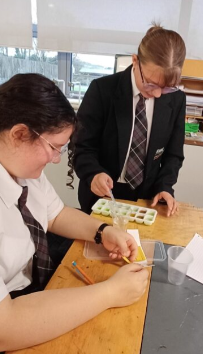 Girls in Chemistry

-

Email ebp@cornwall.gov.uk -
Phone 07736625201 Email ebp@cornwall.gov.uk