We use cookies to ensure our site functions properly and to store limited information about your usage. You may give or withdraw consent at any time. To find out more, read our privacy policy and cookie policy.
Manage Cookies
A cookie is information stored on your computer by a website you visit. Cookies often store your settings for a website, such as your preferred language or location. This allows the site to present you with information customized to fit your needs. As per the GDPR law, companies need to get your explicit approval to collect your data. Some of these cookies are ‘strictly necessary’ to provide the basic functions of the website and can not be turned off, while others if present, have the option of being turned off. Learn more about our Privacy and Cookie policies. These can be managed also from our cookie policy page.
Strictly necessary cookies(always on):
Necessary for enabling core functionality. The website cannot function properly without these cookies. This cannot be turned off. e.g. Sign in, Language
Analytics cookies:
Analytical cookies help us to analyse user behaviour, mainly to see if the users are able to find and act on things that they are looking for. They allow us to recognise and count the number of visitors and to see how visitors move around our website when they are using it. Tools used: Google Analytics
Share Future Coast Cornwall on FacebookShare Future Coast Cornwall on X (formerly Twitter)Share Future Coast Cornwall on LinkedinEmail Future Coast Cornwall link
About the Future Coast Cornwall Project

The Future Coast Cornwall project is funded by the Environment Agency as part of the £200 million Flood and Coastal Innovation Programme (FCIP). This is managed by the Environment Agency and delivered locally by Cornwall Council. Future Coast Cornwall is one of several projects around the country funded through this fund.

The approach to how we address a changing coastline for Cornwall is set out in national plans known as the Shoreline Management Plan. The aim of Future Coast Cornwall is to encourage the more sustainable use and development of the coastal fringe in line with the national plan, whilst considering the social and economic challenges presented by a naturally changing coastal environment.

What can the funding be used for?
The funding can be used to promote adaptation actions to help communities transition away from an eroding coastline. Things the Future Coast Cornwall funding can be spent on include:
Moving structures, amenities and properties away from risk at the coast
Changing land use in areas vulnerable to coastal erosion
Making changes to community infrastructure, such as car parks or toilet blocks, so that the impact of coastal erosion on them is minimised
Looking into how funding can be secured for changes that will need to be made to adapt to a changing coastline
Working with the planning authority to ensure coastal change is taken into account
Working with businesses, community groups, as well as the wider public to help inform decisions.

Is there anything the funding can't be spent on?
The funding has been allocated to allow communities to adapt to change. It can be used in locations where the Shoreline Management Plan (SMP) policy is for Managed Realignment (MR).
The programme will not fund:
The building of any new flood defences
Any activity in areas where the Shoreline Management Plan policy is for ‘Hold the Line’ (HTL) i.e work to the breakwater
Activities that should take place as Business as Usual or routine maintenance
Any work to address damage caused by storm
Any work to undertake coastal clean up
Please click on the icons below to find out more about each project.
About the Future Coast Cornwall Project
The Future Coast Cornwall project is funded by the Environment Agency as part of the £200 million Flood and Coastal Innovation Programme (FCIP). This is managed by the Environment Agency and delivered locally by Cornwall Council. Future Coast Cornwall is one of several projects around the country funded through this fund.
The approach to how we address a changing coastline for Cornwall is set out in national plans known as the Shoreline Management Plan. The aim of Future Coast Cornwall is to encourage the more sustainable use and development of the coastal fringe in line with the national plan, whilst considering the social and economic challenges presented by a naturally changing coastal environment.
What can the funding be used for?
The funding can be used to promote adaptation actions to help communities transition away from an eroding coastline. Things the Future Coast Cornwall funding can be spent on include:
Moving structures, amenities and properties away from risk at the coast
Changing land use in areas vulnerable to coastal erosion
Making changes to community infrastructure, such as car parks or toilet blocks, so that the impact of coastal erosion on them is minimised
Looking into how funding can be secured for changes that will need to be made to adapt to a changing coastline
Working with the planning authority to ensure coastal change is taken into account
Working with businesses, community groups, as well as the wider public to help inform decisions.
Is there anything the funding can't be spent on?
The funding has been allocated to allow communities to adapt to change. It can be used in locations where the Shoreline Management Plan (SMP) policy is for Managed Realignment (MR).
The programme will not fund:
The building of any new flood defences
Any activity in areas where the Shoreline Management Plan policy is for ‘Hold the Line’ (HTL) i.e work to the breakwater
Activities that should take place as Business as Usual or routine maintenance
Any work to address damage caused by storm
Any work to undertake coastal clean up

Please click on the icons below to find out more about each project.

Share Climate resilient garden at Long Rock on FacebookShare Climate resilient garden at Long Rock on X (formerly Twitter)Share Climate resilient garden at Long Rock on LinkedinEmail Climate resilient garden at Long Rock link
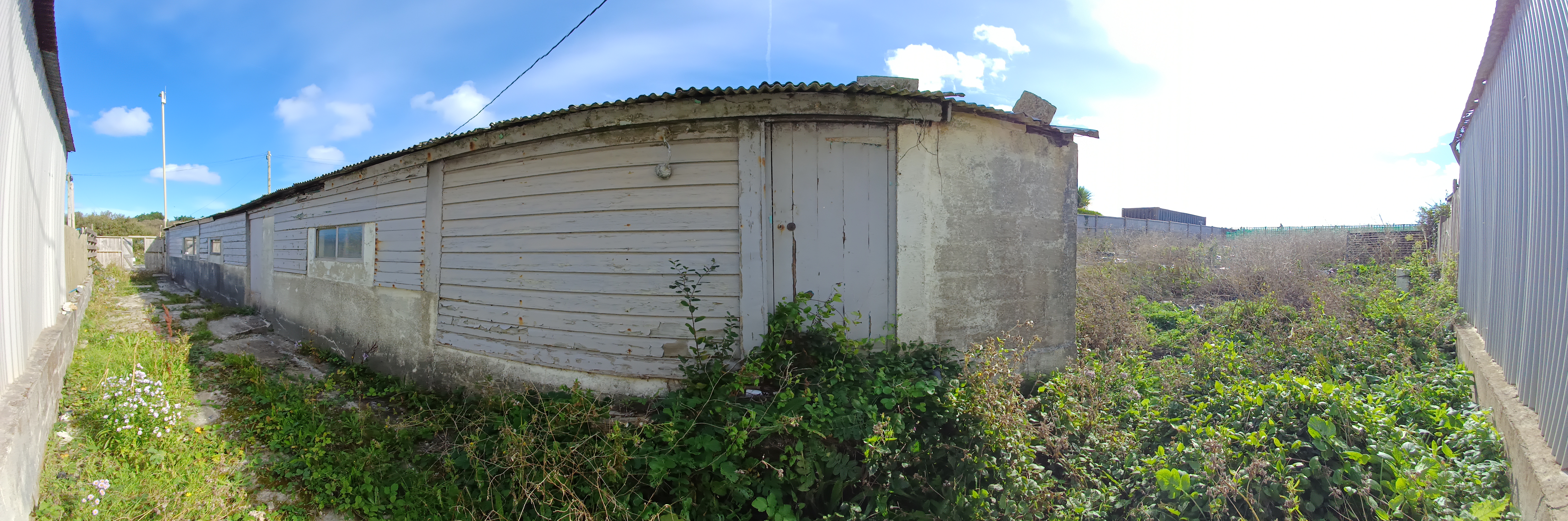
£50k of Future Coast Cornwall funding has been secured to carry out Phase one of the Long Rock Memorial Community Garden project.
The aim of phase one of the project is to de-commission the derelict former Long Rock Memorial Institute building and to clear the site. This will allow futureContinue reading
£50k of Future Coast Cornwall funding has been secured to carry out Phase one of the Long Rock Memorial Community Garden project.
The aim of phase one of the project is to de-commission the derelict former Long Rock Memorial Institute building and to clear the site. This will allow future phases of the project to develop the area into a fully accessible public memorial garden and community green space, once the funding has been secured.
The project is located within an area identified as being at increasing risk from coastal change, including coastal erosion and the long-term impacts of rising sea levels. In this context, the project represents a practical adaptation response that removes a redundant and deteriorating building from a vulnerable coastal location and replaces it with a resilient, flexible open space capable of adapting to future environmental change.
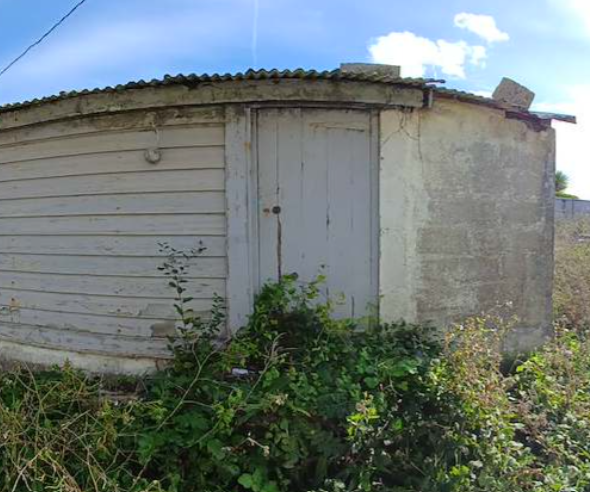
The existing 1922 hall building is no longer usable and will be removed as part of the first phase of work, funded through Future Coast Cornwall.
In the future, in its place, the plan is to create a community green infrastructure that retains the site’s memorial purpose while providing a safe, welcoming and inclusive space for local residents.
By replacing a fixed built asset with publicly accessible green space, the project will reduce future maintenance liabilities associated with an ageing structure in a coastal environment and create a landscape that can be more readily managed and adapted as coastal conditions change over time.
The funding received from FCC has to be spent by the end of March 2027. The funding cannot be used to undertake any work other than those outlined above.
Share Newquay coastal adaptation planning on FacebookShare Newquay coastal adaptation planning on X (formerly Twitter)Share Newquay coastal adaptation planning on LinkedinEmail Newquay coastal adaptation planning link

Future Coast Cornwall will be working with the Town Council in Newquay to support them in preparing to develop a Coastal Change Management Plan (CCMP). This work will include developing materials that will help explain more about how the coastline in Newquay has changed in the past and is changing now. Technical investigations will also be undertaken to help support future planning.
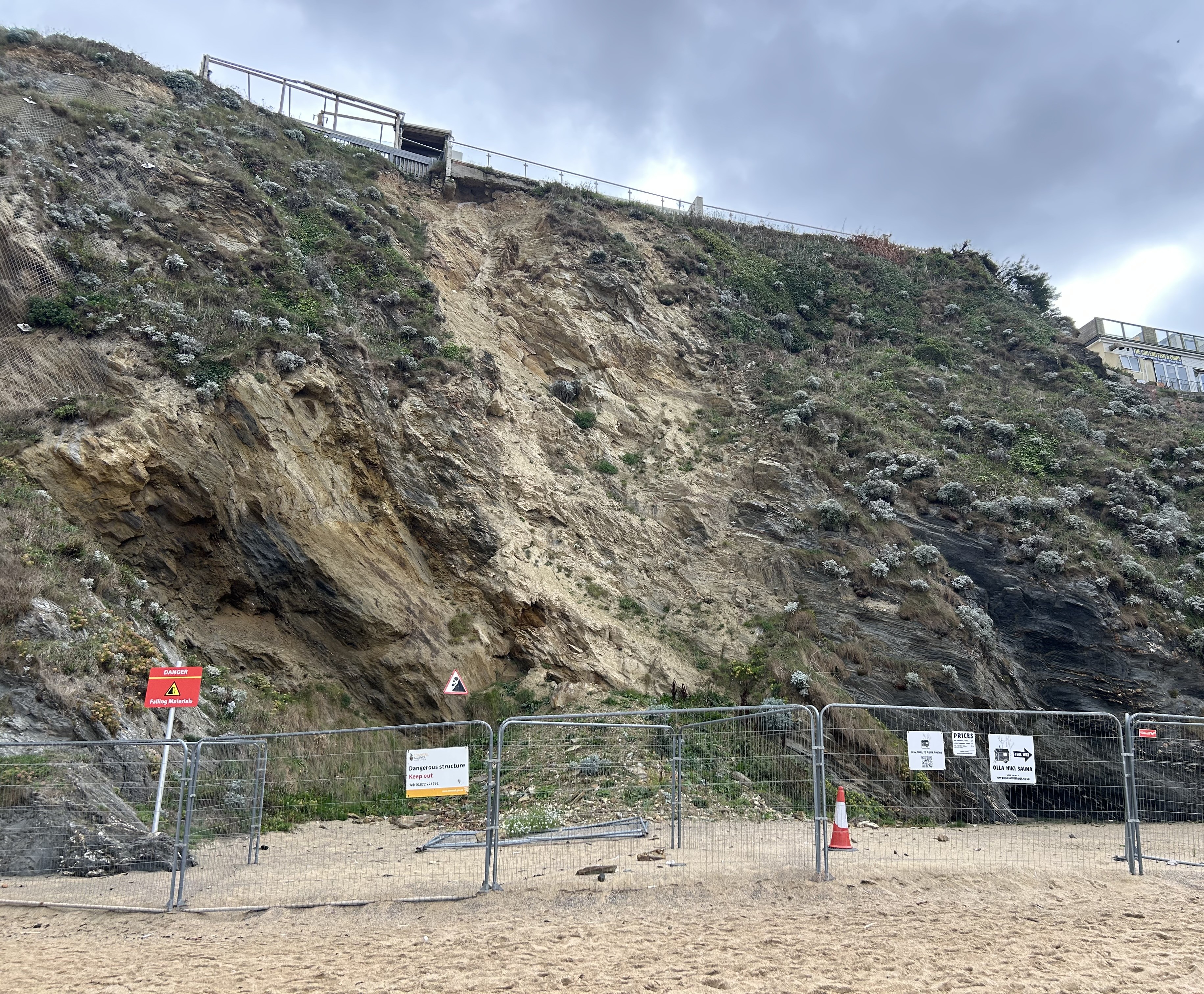
Newquay is already experiencing the effects of coastal change, and those risks are expected to increase over time. There are huge benefits in planning ahead and not reacting after problems occur; by planning ahead, we can help toContinue reading
Future Coast Cornwall will be working with the Town Council in Newquay to support them in preparing to develop a Coastal Change Management Plan (CCMP). This work will include developing materials that will help explain more about how the coastline in Newquay has changed in the past and is changing now. Technical investigations will also be undertaken to help support future planning.
Newquay is already experiencing the effects of coastal change, and those risks are expected to increase over time. There are huge benefits in planning ahead and not reacting after problems occur; by planning ahead, we can help to reduce the impact of coastal change on people, infrastructure, businesses and the local economy.
Work in Newquay will include:
Working with the Maritime Archaeological Trust to develop an interactive tool which will allow the public to explore historic photographs, artwork, map, archaeological information and stories. This tool will help show how the coast in Newquay has changed over time.
Producing films which help to explain about the processes which are affecting the coast in Newquay, as well as across Cornwall.
Working with local organisations to research ways to build coastal change conversations into education with young people.
Funding a cliff stability study which will help inform decisions about when action will need to be taken to prepare for coastal change.
Funding a transport and access study which will help inform decisions about how infrastructure in Newquay will need to be managed in the future.
This work will help to Newquay Town Council to develop a Coastal Change Management Plan (CCMP) in the future. A CCMP is a document which supports the planning process and will set out what actions will be taken in the future to adapt to changes occurring on the coast. It will identify at what point actions need to be taken and how this will be monitored. A CCMP will help strengthen planning decisions and support sustainable growth of the town, whilst maintaining Newquay's unique coastal character. The aim of this work is to leave future generations with a more resilient, better-prepared coastal town.
Share Coastal adaptation Polzeath on FacebookShare Coastal adaptation Polzeath on X (formerly Twitter)Share Coastal adaptation Polzeath on LinkedinEmail Coastal adaptation Polzeath link
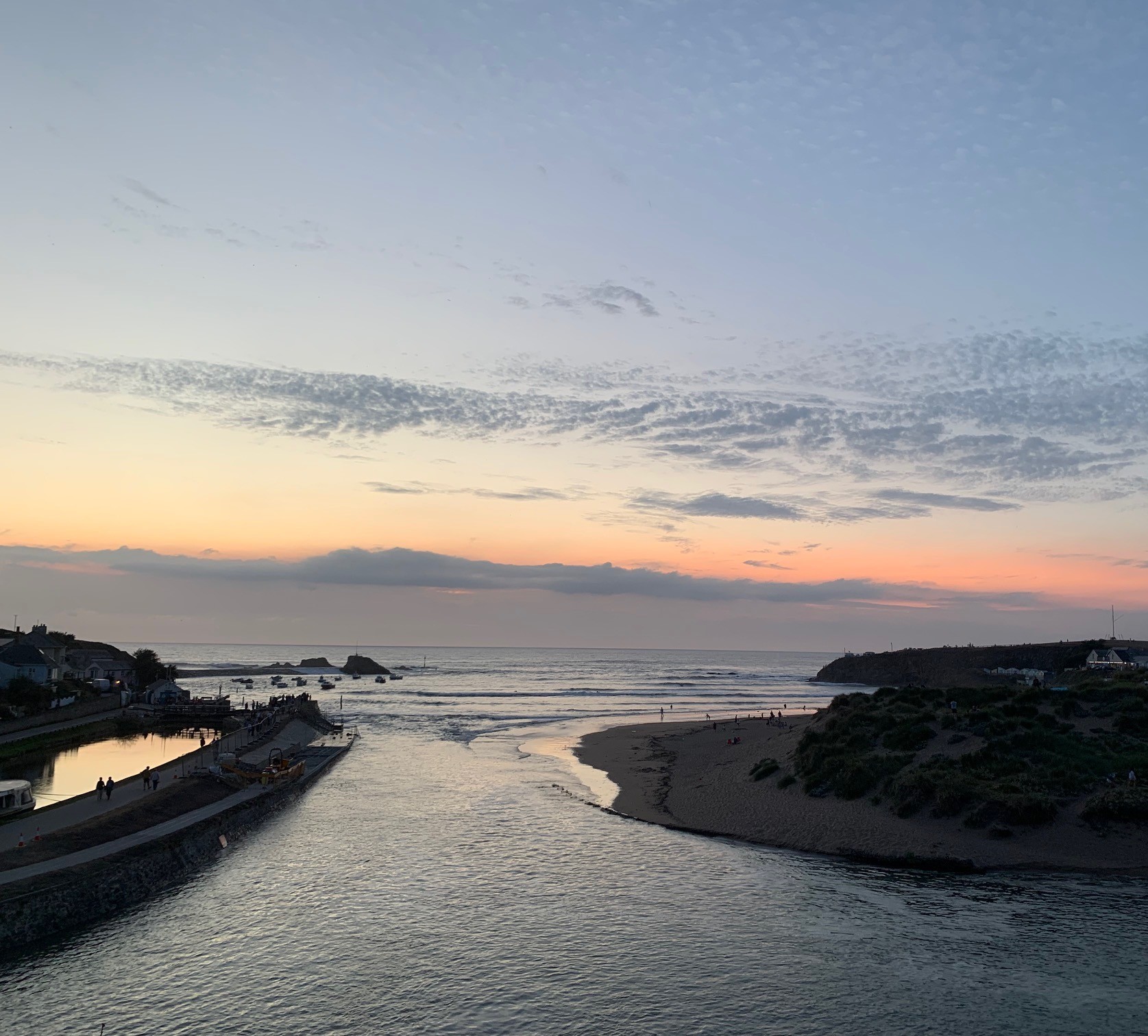
The lease for the Coronation Gardens is currently being transferred to the Polzeath Village Community Interest Company (CIC). This will allow the CIC to open the gardens up to the community.
Future Coast Cornwall has been able to provide the CIC with funding totalling £547k which will enable them to deliver Phase 1 of a project to build a centre in the gardens.

This building project will be led by Polzeath Village Community Interest Company, on behalf of the community.
Funding will be used to provide a new home for the Marine Centre – moving it out of an areaContinue reading
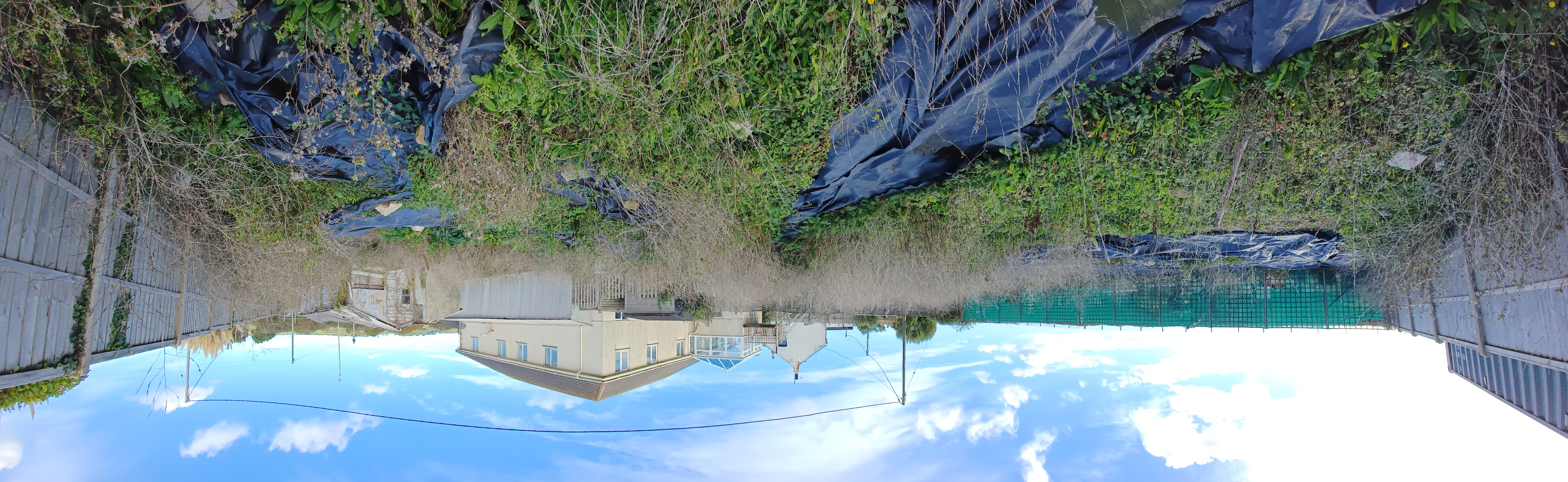
The lease for the Coronation Gardens is currently being transferred to the Polzeath Village Community Interest Company (CIC). This will allow the CIC to open the gardens up to the community.
Future Coast Cornwall has been able to provide the CIC with funding totalling £547k which will enable them to deliver Phase 1 of a project to build a centre in the gardens.
This building project will be led by Polzeath Village Community Interest Company, on behalf of the community.
Funding will be used to provide a new home for the Marine Centre – moving it out of an area vulnerable to flooding. It will also provide the Surf Life Save Club with new changing and toilet facilities, teaching and instruction space along with disabled access, away from the area at risk of flooding on the beach. These activities are in line with the project principles and have been approved by the Environment Agency. They will provide the club with brand new and much needed facilities which they currently don’t have access to.
The new centre will also provide a new home for the Beach Ranger Service.
There is potential for additional funding to be secured from the Flood and Coastal Innovation Programme to deliver some landscaping works at Coronoation Gardens, which would help accelerate bringing this much valued community asset into use.
If additional funding can be secured by the CIC, a second storey will provide a community space along, with additional facilities including a kitchen area for the groups using the centre.
The funding received from FCC by Polzeath Village CIC has to be spent by the end of March 2027. The funding cannot be used to undertake any work other than those outlined above.