Future Coast Bude

Films
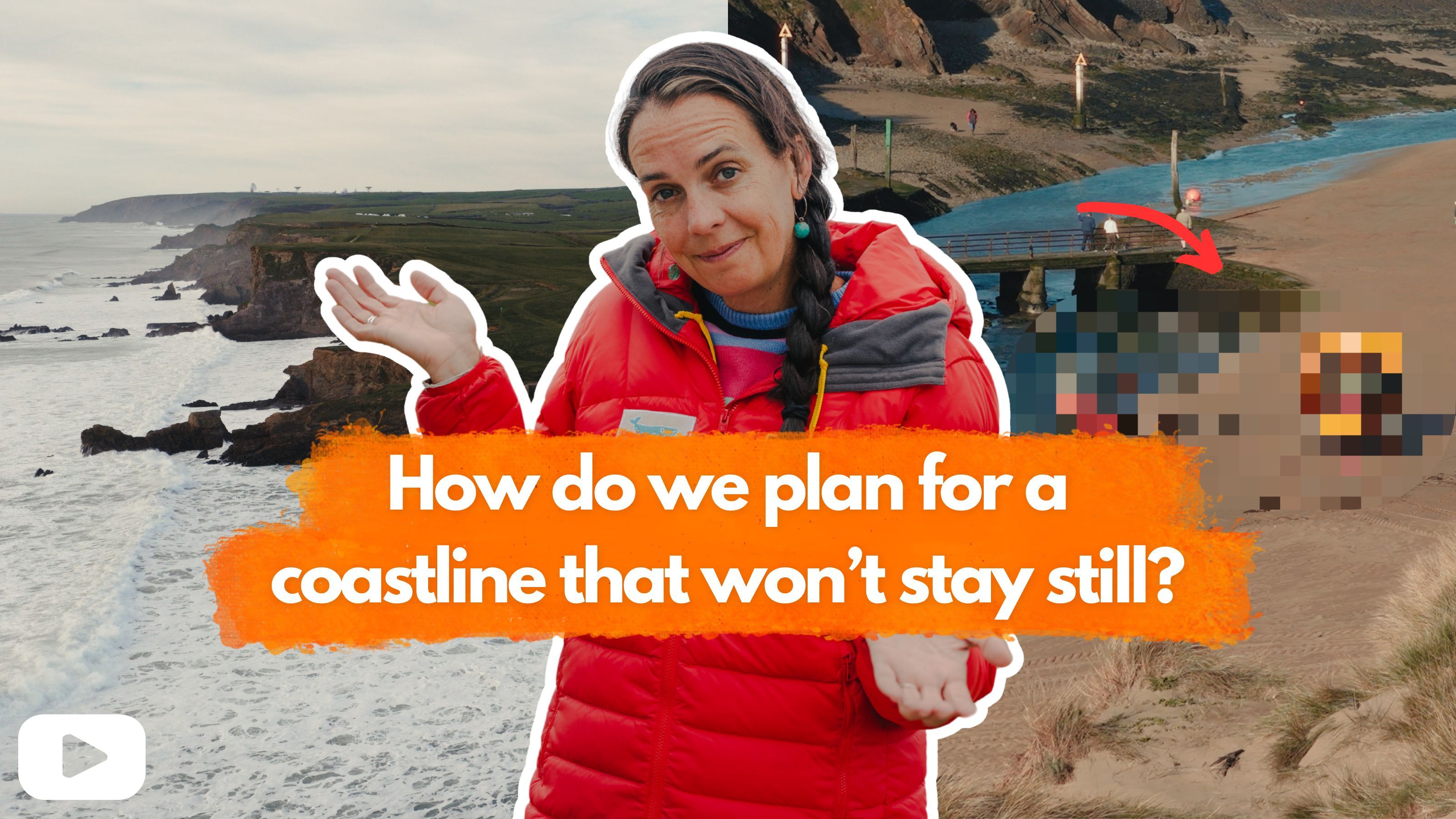
Watch short films that help explain what’s happening along Bude’s coastline, why it’s changing and what that could mean for the future. Click below to view.
Interactive Map
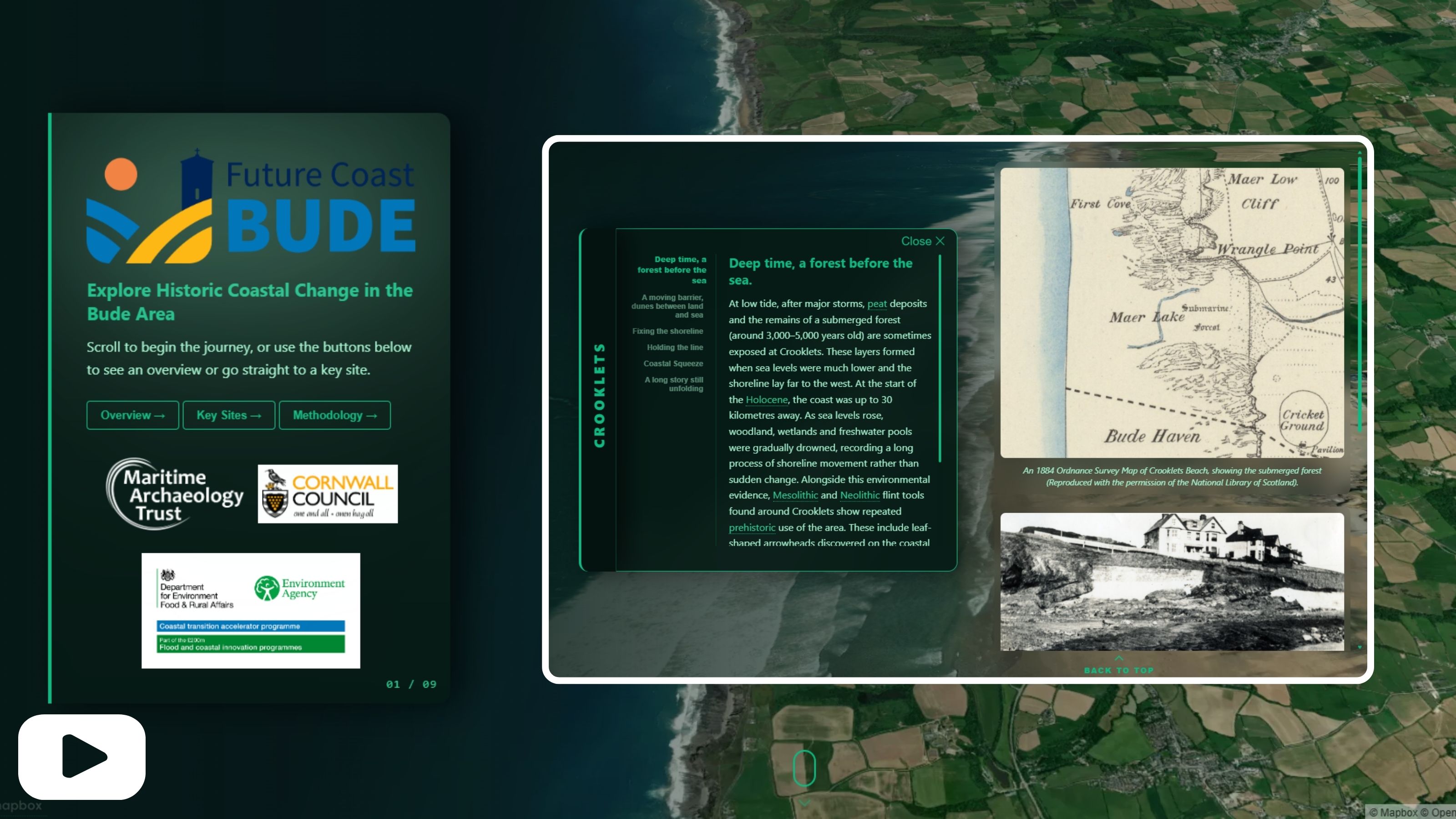
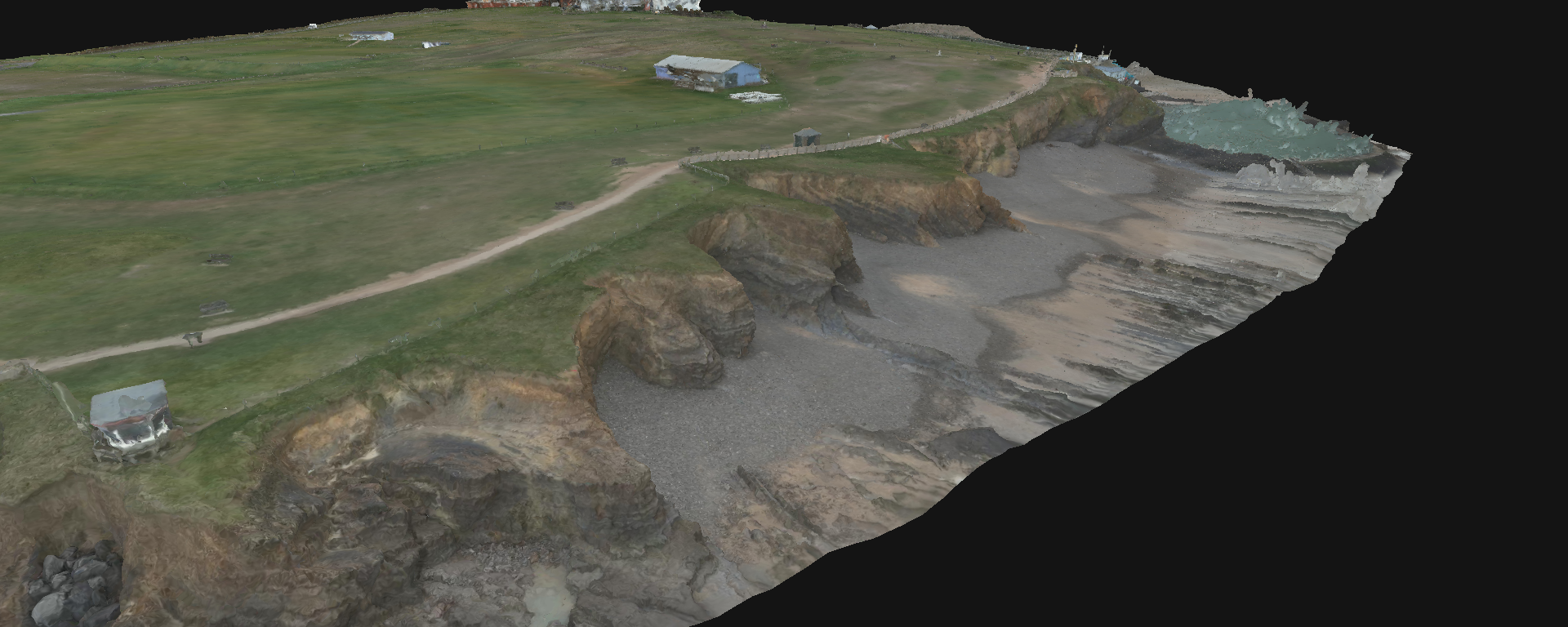
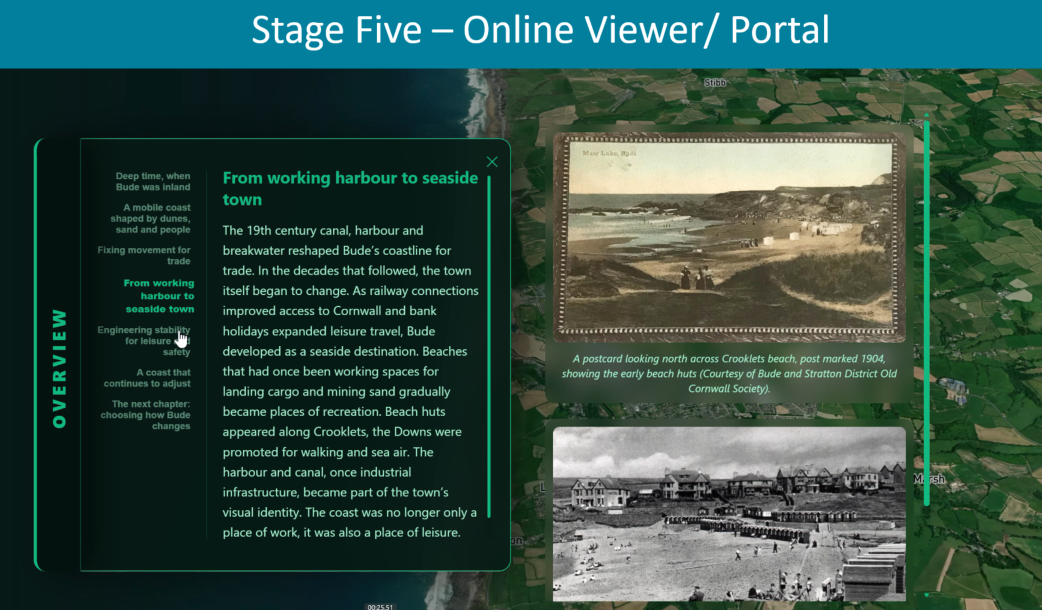
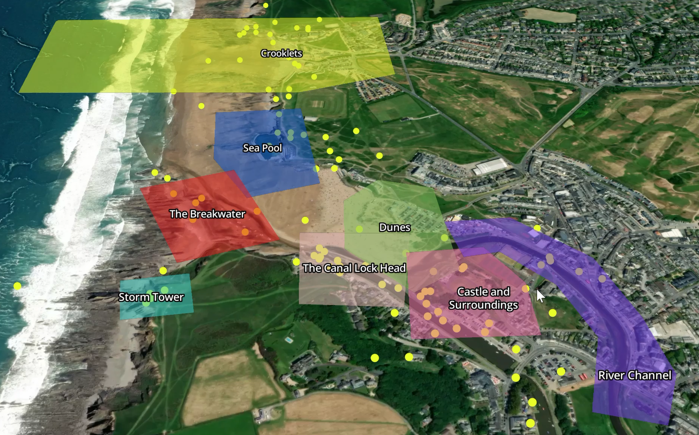
Explore how Bude’s coastline has changed over time through an interactive map, bringing together local stories, archaeological information, images and artwork. Click on the image below to begin exploring.
![]() |
Understanding Coastal Change
Read short guides that explain some of the key processes shaping the coastline, helping to build a clearer understanding of the challenges and changes taking place. Click on the name to view.
![]() |
![]() |
![]() |
![]() |
![]() |
![]() |
![]() |
![]() |
![]() |
![]() |
Coastal Change at Key Locations
ExploreContinue reading

Films
Watch short films that help explain what’s happening along Bude’s coastline, why it’s changing and what that could mean for the future. Click below to view.
Interactive Map
Explore how Bude’s coastline has changed over time through an interactive map, bringing together local stories, archaeological information, images and artwork. Click on the image below to begin exploring.
![]() |
Understanding Coastal Change
Read short guides that explain some of the key processes shaping the coastline, helping to build a clearer understanding of the challenges and changes taking place. Click on the name to view.
![]() | ![]() | ![]() | ![]() | ![]() |
![]() | ![]() | ![]() | ![]() | ![]() |
Coastal Change at Key Locations
Explore the history of familiar places along Bude’s coastline and how they have changed over time, helping to connect the past with what we see today. Click on the name to view.
![]() | ![]() | ![]() |
![]() | ![]() | ![]() |
![]() | ![]() | ![]() |

We’re working with the community to create a Coastal Vision for Bude.
This will set out shared priorities for how our coastline should adapt to the challenges of coastal change, now and in the future.
To help shape this, we’re inviting residents to take part in a series of Community Conversations.

The Coastal Vision will reflect what matters most to people living and working in Bude.
It will help guide future plans and decisions about our coastline, including how we respond to coastal change.
Before asking for your views, we want to make sure everyone has the opportunity to learn more about the challenges and opportunities facing our coast.

Community Conversations are relaxed, drop-in sessions where you can:
- learn more about coastal change
- explore information at your own pace
- speak to people involved in the project
- ask questions
- share your thoughts and ideas
In the lead up to these events, you may also see us out and about in the community sharing information and starting conversations in different locations.
You don’t need any prior knowledge. Just come along, learn something new and take part in a way that suits you.
Upcoming Events:
More Future Coast Bude events and opportunities to get involved will be announced soon — stay tuned for updates.
Previous Events:
Thursday 23 April, 4pm - 7pm
Ivor Potter Hall, Parkhouse Centre
Join us to explore the history of the coast, find out how our coastline is changing and learn more about the Future Coast Bude project.
You’ll be able to watch short films, explore interactive maps, speak to experts, ask questions and share your initial thoughts.
Saturday 9 May, 10am - 2pm
Ivor Potter Hall, Parkhouse Centre
Join us to take the next step in the conversation and have your say on the future of Bude’s coastline.
You’ll be able to explore key locations, take part in interactive activities, ask questions and share your views on what matters most and how the coastline could adapt in the future.
Thursday 14 May, 6pm - 9pm
The 2 Minute Foundation HQ, Crooklets Road Bude, EX23 8HN
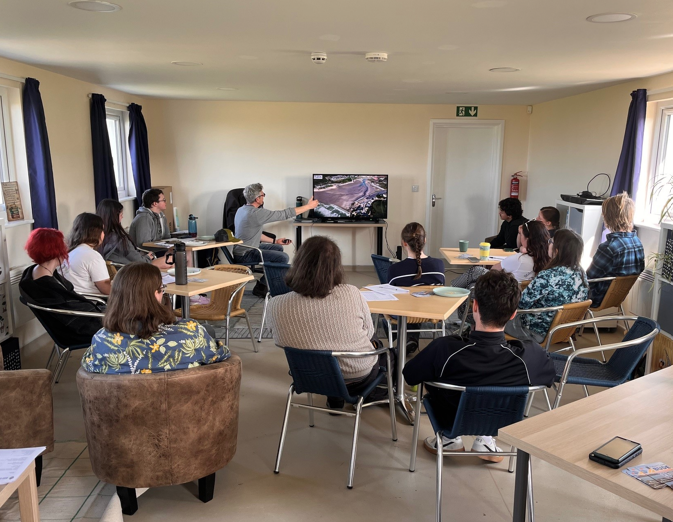
Come along for a relaxed evening of creativity, conversation and free food as Future Coast Bude hosts a special Community Conversation Social for people aged 16–35 living in Bude.
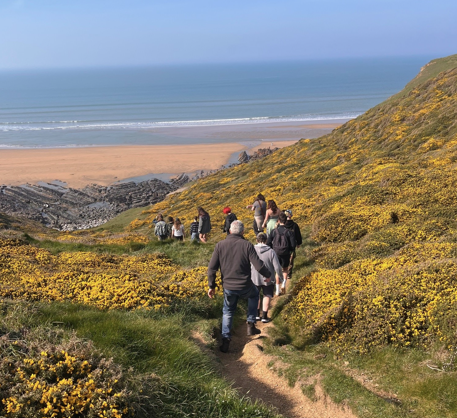
The evening will include creative activities, short films, pizza, an optional coastal walk and opportunities to share ideas about the future of Bude’s coastline and how the town adapts to coastal change. There will also be the chance to contribute to a collaborative mural celebrating what young people love most about Bude.
Places are free, but booking is encouraged:
Book free tickets on Eventbrite
About the Future Coast Bude Project

The Future Coast Bude project is funded by Defra as part of the £200 million Flood and Coastal Innovation Programme (FCIP), which is managed by the Environment Agency. The programme will drive innovation in flood and coastal resilience and adaptation to a changing climate. Future Coast Bude is one of several projects around the country funded through the Coastal Transition Accelerator Programme (CTAP) portion of this fund.
The approach to how we address a changing coastline for Bude (and the country) are set out in national plans known as the Shoreline Management Plan. The aim of Future Coast Bude is to encourage the more sustainable use and development of the coastal fringe in line with the national plan, whilst considering the social and economic challenges presented by a naturally changing coastal environment.

What is the Coastal Transition Accelerator Programme (CTAP)?
The Coastal Transition Accelerator Programme (CTAP) helps communities to plan for coastal change in the long term, including:
- interventions such as improving and replacing damaged community infrastructure like beach access or coastal transport links,
- repurposing land in coastal erosion zones for different uses, and
- restoring and creating habitats to include green buffer zones.
Local authorities in the South West have been allocated £6 million in funding to improve the resilience of communities to the effects of coastal erosion and benefit the local economy. Bude is one of only two communities in the South West who will share this funding. For Bude the project will be delivered by Cornwall Council supported by the Environment Agency.

What can the £3 million funding be used for?
The funding can be used to promote adaptation actions to help communities transition away from an eroding coastline. Things the Future Coast Bude funding can be spent on include:
- Moving structures, amenities and properties away from risk at the coast
- Changing land use in areas vulnerable to coastal erosion
- Making changes to community infrastructure, such as car parks or toilet blocks, so that the impact of coastal erosion on them is minimised
- Looking into how funding can be secured for changes that will need to be made to adapt to a changing coastline
- Working with the planning authority to ensure coastal change is taken into account
- Working with businesses, community groups, as well as the wider public to help inform decisions.

Is there anything the funding can't be spent on?
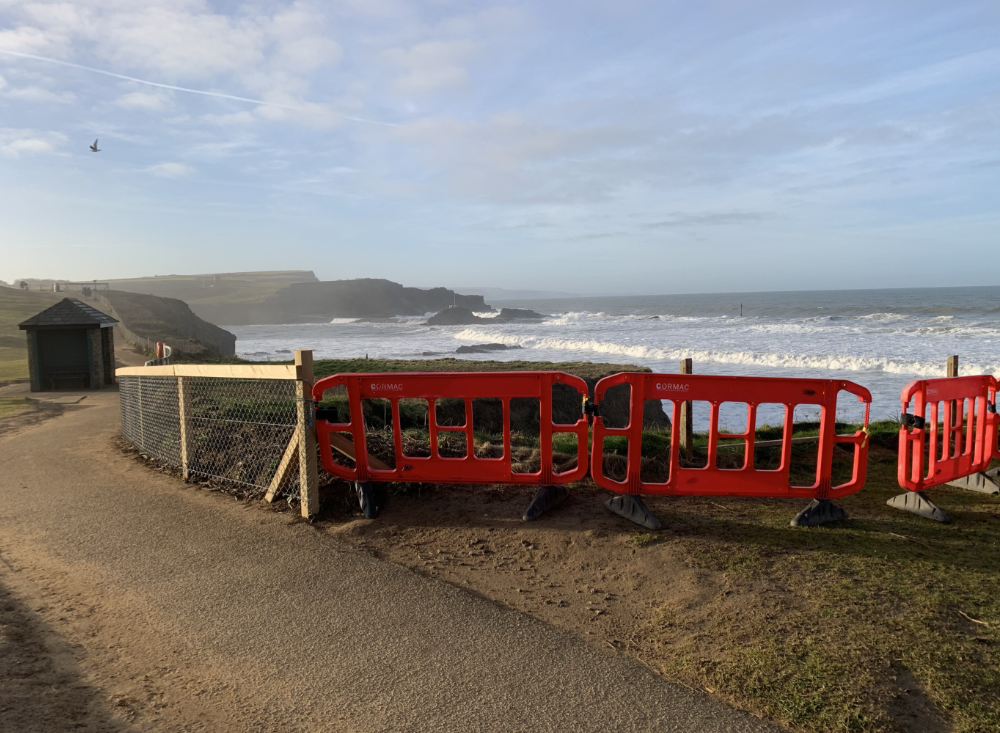
The funding has been allocated to allow communities to adapt to change. It can be used in locations where the Shoreline Management Plan (SMP) policy is for Managed Realignment (MR). i.e. Summerleaze and Crooklets
The programme will not fund:
- The building of any new flood defences
- Any activity in areas where the Shoreline Management Plan policy is for ‘Hold the Line’ (HTL) i.e work to the breakwater
- Activities that should take place as Business as Usual or routine maintenance
- Any work to address damage caused by storm
- Any work to undertake coastal clean up

What sort of thing might Future Coast Bude deliver?
Future Coast Bude will explore with the community a plan for coastal change. This will include:
- The development of a Coastal Change Management Plan (CCMP). This is designated through the Local Plan and is required where changes are expected to the coast in the next 100 years.
- The introduction of a Coastal Change Management Area (CCMA) in areas not identified as ‘Hold the line’ in the Shoreline Management Plan. This can then be used to inform planning and management decisions in the future.
- Undertaking a transport and accessibility study which will help to determine how and when people access the beaches and local areas in Bude and how this can be improved in the future.
- Making plans for the future for infrastructure on the coast that may be impacted by sea level rise and coastal erosion.
Other opportunities that will be explored with the community include the potential:
- Relocating of public facilities to alternative locations to make sure they can still be used by the public in the future
- Relocating emergency services facilities, so that they can remain operational in the future
- Designing facilities in the future in a way that will help them adapt and respond to climate change (for example the Gig Club has been designed so it can be relocated)
- Decommissioning parts of the carpark which are currently covered by the dunes
- Improving accessibility to and at the coast.
-
Summerleaze Sand Recycling & Dune Care Plan (2026–2027) – January 2026 update
Share Summerleaze Sand Recycling & Dune Care Plan (2026–2027) – January 2026 update on Facebook Share Summerleaze Sand Recycling & Dune Care Plan (2026–2027) – January 2026 update on Twitter Share Summerleaze Sand Recycling & Dune Care Plan (2026–2027) – January 2026 update on Linkedin Email Summerleaze Sand Recycling & Dune Care Plan (2026–2027) – January 2026 update linkCornwall Council and Bude & Stratton Town Council are working together on a short‑term programme to manage wind‑blown sand at Summerleaze Beach while strengthening the long‑term health of the dune system. This work forms part of the Future Coast Bude project and will run from March 2026 to March 2027. Community consultation about the future of the coast will be taking place during this time, and will help shape the long-term plan for the coastline here.
Why this work is happeningSummerleaze is a naturally dynamic coastline. Wind, waves and tides constantly move sand around the beach and dunes. OverContinue reading

Cornwall Council and Bude & Stratton Town Council are working together on a short‑term programme to manage wind‑blown sand at Summerleaze Beach while strengthening the long‑term health of the dune system. This work forms part of the Future Coast Bude project and will run from March 2026 to March 2027. Community consultation about the future of the coast will be taking place during this time, and will help shape the long-term plan for the coastline here.
Why this work is happeningSummerleaze is a naturally dynamic coastline. Wind, waves and tides constantly move sand around the beach and dunes. Over recent years this has led to:
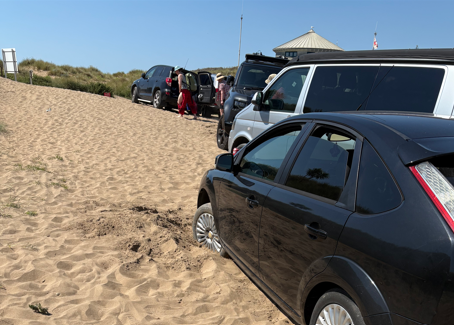
- Sand regularly building up in the car park
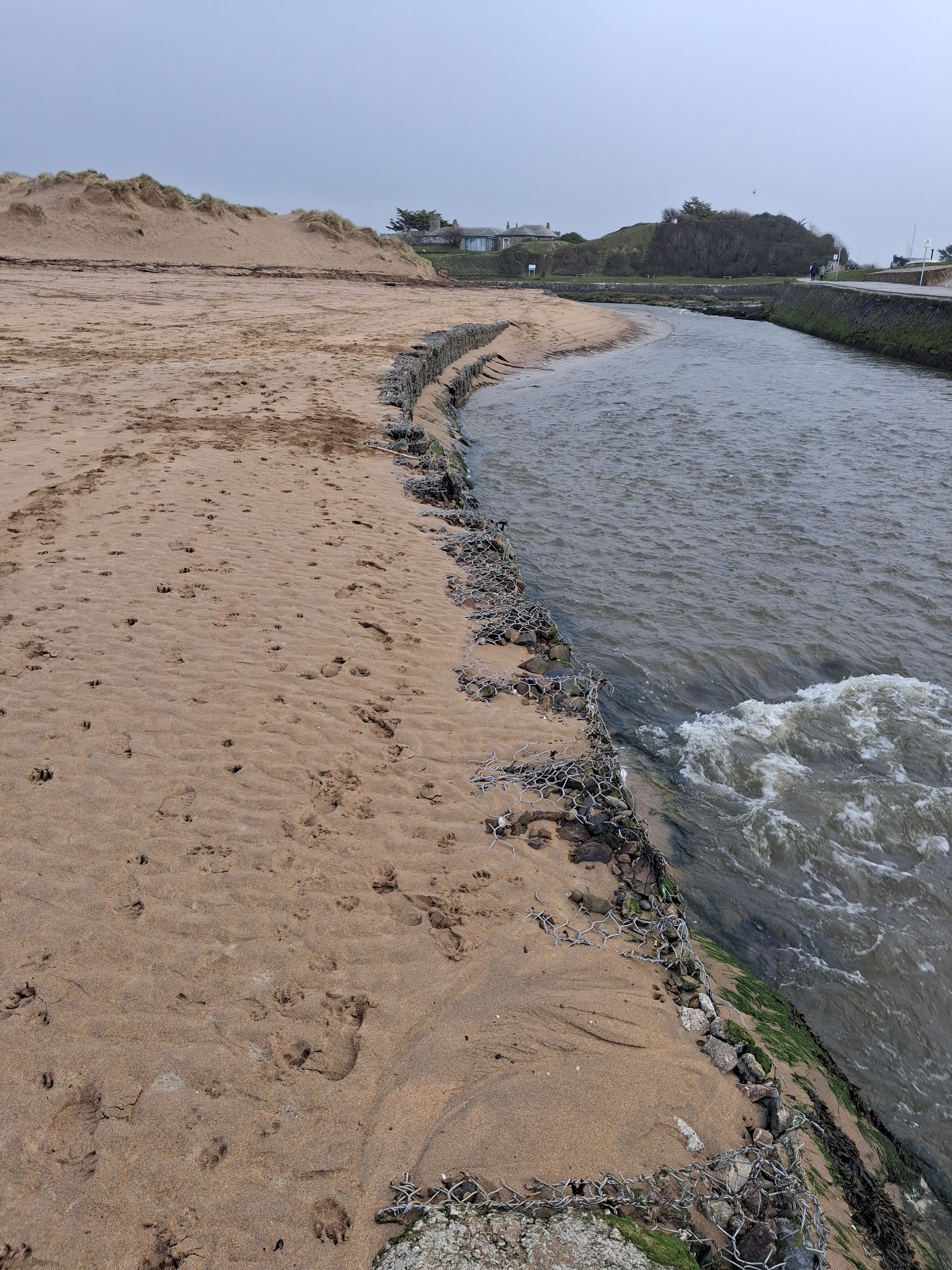
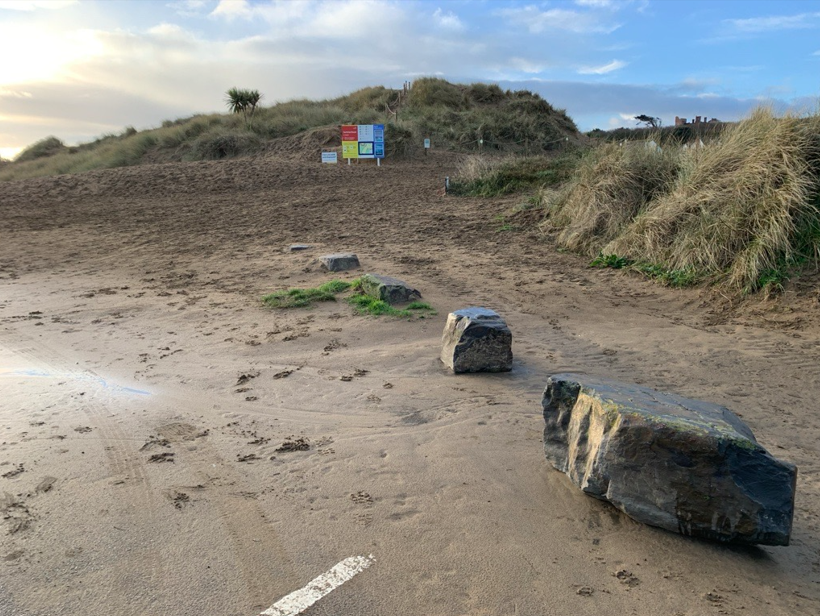
- Erosion and exposed rock armour along the seaward edge of the dunes
- Concerns about the long‑term resilience of the dune system
The aim of this plan is to reduce sand accumulation in the car park in the short term while keeping all sand within the natural beach–dune system, supporting the dunes’ ability to recover and adapt.

Where the work will take place
The project focuses on the mobile dunes and the car park, staying above the Mean High-Water Springs (MHWS) line to avoid disturbing protected intertidal habitats.
How sand recycling works
Excess sand that gathers in the car park will be moved back onto the dunes where it can help rebuild and stabilise them. The work will:
- Target only loose, non‑vegetated sand
- Prioritise rebuilding the west‑facing dune edge, where rock armour is currently exposed
- Maintain safe, stable slopes — especially around the RNLI access route
- Support wider dune‑care measures such as fencing, planting and mulching
The first phase is planned for early spring 2026, ideally after the March spring tides and before Easter, to maximise benefits ahead of the summer season.

Fencing and planting to stabilise the dunes
To help reduce wind‑blown sand and guide people safely through the dunes, a series of fencing and planting measures will be introduced.
Fencing
Two types of fencing will be installed:
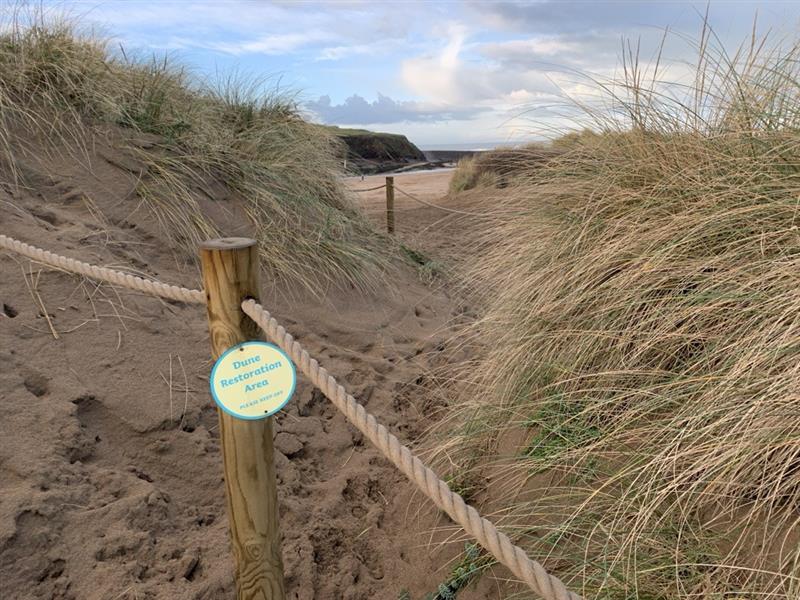
- Post‑and‑rope fencing to mark a new access route and close off the old one
- Fencing to act as windbreaks and trap sand in key areas, including behind the rock armour and along the southwest dune edge
These measures help slow sand movement and encourage natural dune growth.
PlantingOnce fencing is in place, dune‑friendly planting will help stabilise the sand:
- Marram grass in sheltered sand‑capture areas
- Lyme grass or couch grass in lower areas that may occasionally be reached by waves
- Thatching or mulching (e.g., straw) to help young plants establish
Some bare sand will be intentionally retained to preserve the natural ecological function of the dunes.

Maintaining RNLI access at all times
The RNLI relies on a key access corridor to launch the D‑Class inshore lifeboat. A realigned, more southerly route is proposed to improve safety and reduce wind‑blown sand around the boathouse.
If the new route cannot be created at the same time as the sand recycling work, the existing route must remain fully usable.
Protecting RNLI operations is a core requirement of the project.

What to expect
Even with this work, the dunes will continue to shift — that’s part of a healthy coastal system. Sand may still accumulate in the car park at times, and the dune face will continue to respond to waves and weather. These changes will be monitored closely by:
- The Bude Dunes Group
- The Future Coast Bude team
- The regional coastal monitoring programme

What informed this plan
The approach draws on specialist studies and community feedback, including:
- Summerleaze Beach & Dune Management Plan (2016)
- Bude Coastal Change Project (2021)
- Summerleaze Dune Report (2023)
- Summerleaze Car Park Community Feedback Survey (2025)
Further sand sampling will take place to confirm grain size and check for any contamination, though no issues are currently expected.
-
January 2026 project update
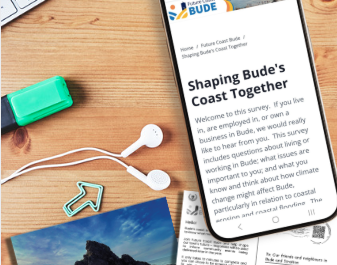
Share January 2026 project update on Facebook Share January 2026 project update on Twitter Share January 2026 project update on Linkedin Email January 2026 project update linkShaping Bude’s Coast Together – Survey (closes 8 February)Over 9,100 postcards have been sent to households across Bude inviting people to share their views on the future of the coastline. Support sessions have been offered at Berries Community Café, the Library, the Pearl Exchange, and The Hub at the Sea Pool. Over 220 people have responded so far, with current themes including clean water and pollution control, protecting natural features and coastal ecosystems and managing coastal erosion and flood risk. The feedback will help design community workshops at the end of April, which will contribute to a Coastal VisionContinue readingShaping Bude’s Coast Together – Survey (closes 8 February)Over 9,100 postcards have been sent to households across Bude inviting people to share their views on the future of the coastline. Support sessions have been offered at Berries Community Café, the Library, the Pearl Exchange, and The Hub at the Sea Pool. Over 220 people have responded so far, with current themes including clean water and pollution control, protecting natural features and coastal ecosystems and managing coastal erosion and flood risk. The feedback will help design community workshops at the end of April, which will contribute to a Coastal Vision for Bude.Take the survey here: Shaping Bude's Coast Together | Let's Talk Cornwall

Youth Board – Applications (deadline extended to 23 February)Young people aged 16–30 can join a Youth Board to help run workshops, review the results, and contribute to the Coastal Vision. Members will receive training to support them in this work and gift vouchers to thank them for their time. The Youth Board launched on 19 January and has been promoted at Budehaven Sixth Form, the Pearl Exchange, the Job Centre, and Berries Community Café.Read more here: Future Coast Bude Youth Board: A board for young resident aged 16-30 - recruitment open! | Future Coast Bude | Let's Talk Cornwall
Apply here: Future Coast Youth Board: A board for young residents aged 16-30 Application form | Let's Talk CornwallSand Recycling & Reducing Wind-Blown Sand – Summerleaze Car Park
The project team has brought together everyone involved with Summerleaze car park and agreed that some of the wind-blown sand will be removed in March.
Read more here: Wind blown sand on Summerleaze car park - we are listening | Future Coast Bude | Let's Talk CornwallWe have also been working closely with the RNLI and Bude Dunes Group and will be moving the RNLI access way through the dunes to a different angle in March. This should reduce the amount of sand blowing into the car park.
Read more here: Summerleaze Sand Recycling & Dune Care Plan (2026–2027) – January 2026 update | Future Coast Bude | Let's Talk Cornwall

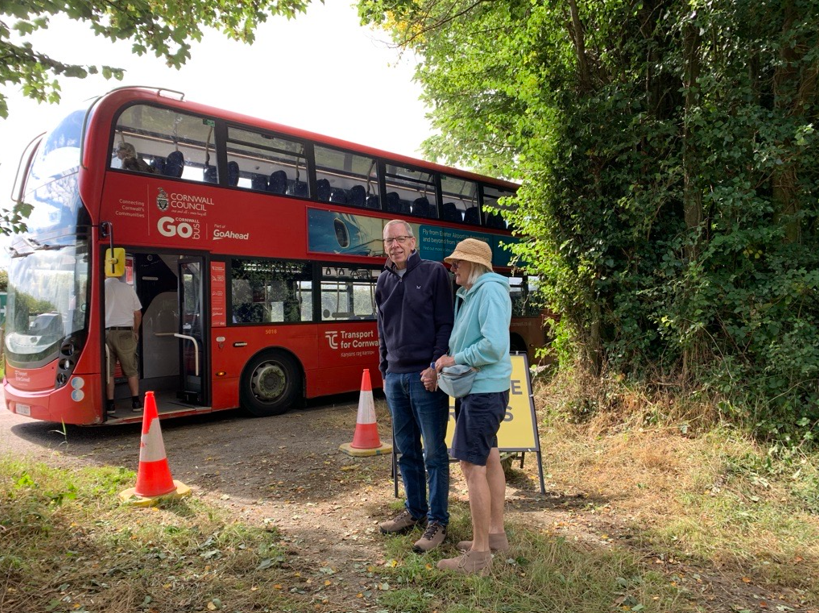
Bude Park and Ride – Pilot Phase 2 Go Cornwall has been appointed to run a second park and ride pilot over summer 2026. Following feedback from last year, the service will start at 8am, run until 6pm, and include a stop at Crooklets. More details will be shared soon.Beach Huts
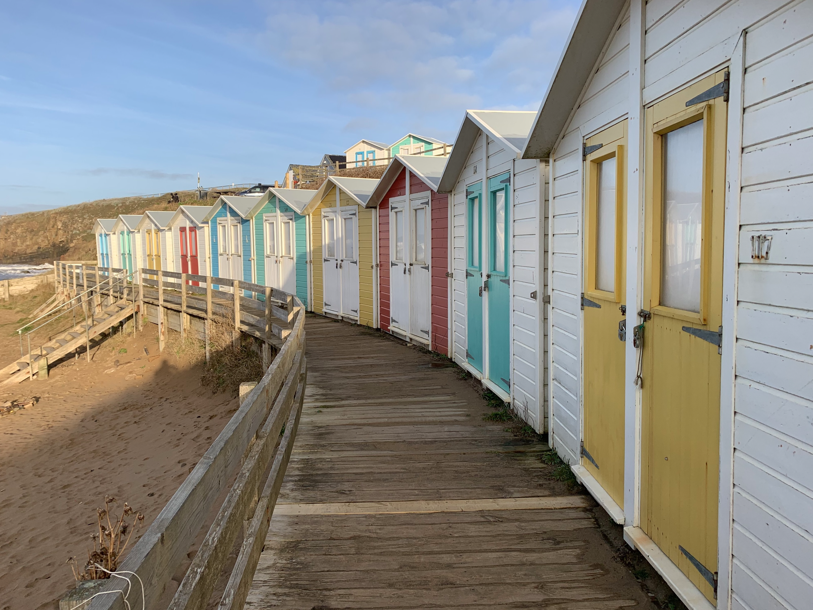
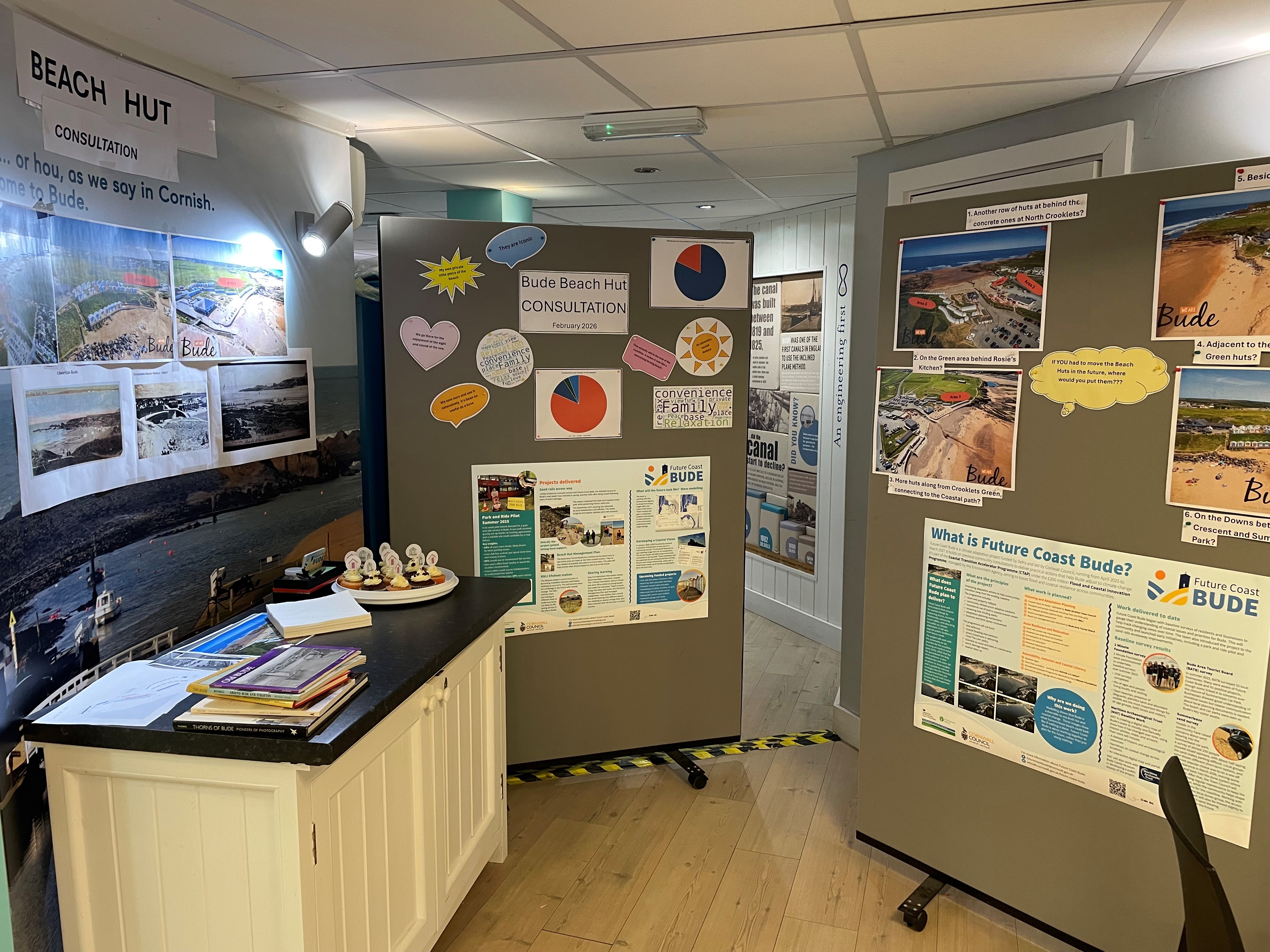
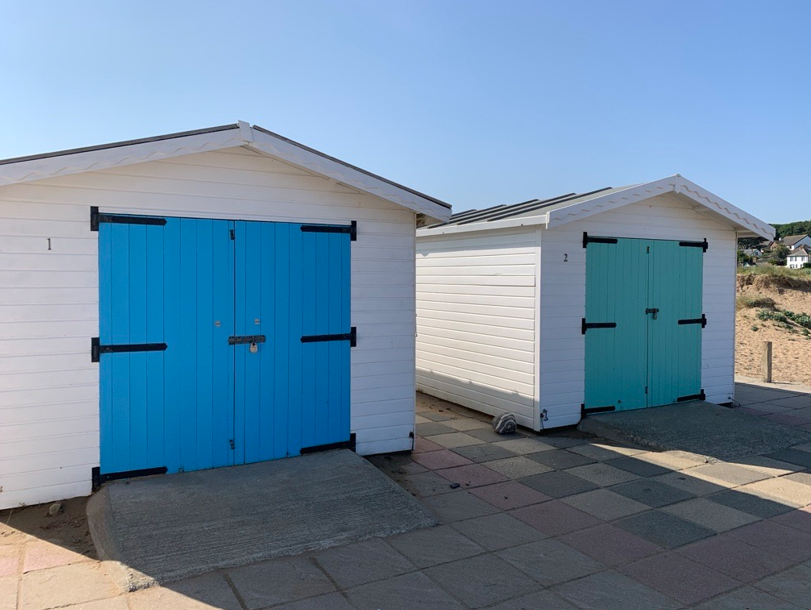
Bude Area Tourist Board is working with beach hut tenants and Cornwall Council on a Beach Hut Management Plan. This looks at the condition of existing huts, how they are used, and which are most at risk from coastal erosion. Future options for relocating huts will be discussed with tenants at events in February. Increasing the provision of accessible huts is also a priority.

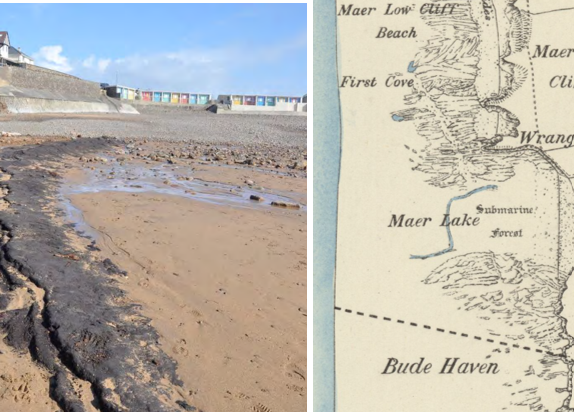
Work with the Maritime Archaeological Trust (MAT) MAT is collecting all available evidence - photos, paintings, maps, charts, and soil information to show what Bude’s coastline looked like in the past. This resource will be ready to share publicly by April.2 Minute Foundation The project team has prepared short topic papers to explain some coastal processes. 2 Minute Foundation will turn these into four 2-minute films, ready to share in March. 2 Minute Foundation also continues to work with young people in schools and at home, helping them understand how coastal erosion and sea-level rise could affect Bude.

Work with the RNLI The project team is helping the RNLI to consider future options for moving their lifeboat station at Summerleaze when the current site can no longer function effectively. For context, it took 20 years from deciding the previous station was unsuitable to opening the current one, so it is important to start planning early.Work with Cormac Cormac, part of Cornwall Council, is looking at increasing the capacity of the Crooklets overflow car park, future options for toilets at Summerleaze and Crooklets, moving beach huts, and relocating the coast path further inland. The public will be consulted on these options at events in April 2026.

Cables at Crooklets Meetings have taken place with Vodafone, Google and BT Group about the cables that come onshore at Crooklets. These cables may be affected by the lowering beach level due to coastal change. The project team will present at the European Subsea Cable Association conference in March to raise awareness and involve cable providers in future planning.Conferences The project team has run a workshop at the Flood and Coastal Innovation Programme Winter Conference in Hull and presented at the Coastal Futures Conference in London to share Bude’s work.
-
Future Coast Bude Youth Board: A board for young resident aged 16-30 - recruitment open!
Share Future Coast Bude Youth Board: A board for young resident aged 16-30 - recruitment open! on Facebook Share Future Coast Bude Youth Board: A board for young resident aged 16-30 - recruitment open! on Twitter Share Future Coast Bude Youth Board: A board for young resident aged 16-30 - recruitment open! on Linkedin Email Future Coast Bude Youth Board: A board for young resident aged 16-30 - recruitment open! link🌊 Future Coast Bude Youth Board - deadline to apply extended to Monday 23 February.
⭐ What is the Youth Board?
The Future Coast Bude Youth Board is a group of young people who want to make a difference in their community.
As a member, you’ll work with professionals to help design events that ask local people what they want for the future of Bude’s coast.You’ll learn how to:
- Talk with different groups of people
- Run discussions
- Collect and understand information
- Help write a report about what the community wants
You’ll also get paid for your time.
BeingContinue reading
🌊 Future Coast Bude Youth Board - deadline to apply extended to Monday 23 February.
⭐ What is the Youth Board?
The Future Coast Bude Youth Board is a group of young people who want to make a difference in their community.
As a member, you’ll work with professionals to help design events that ask local people what they want for the future of Bude’s coast.You’ll learn how to:
- Talk with different groups of people
- Run discussions
- Collect and understand information
- Help write a report about what the community wants
You’ll also get paid for your time.
Being part of the Youth Board gives you:
- New skills for jobs and future opportunities
- Confidence and real work experience
- A chance to shape events happening in Bude this spring
- A role as a young ambassador for the project
The Youth Board will also help create a future Youth Council for ages 11–18.
🕒 How much time will it take?
Around 6–12 hours a month, depending on how involved you want to be.
Required training (expenses paid)
- Mon 2 March 2026, 7–9pm
- Sat 21 March 2026, 10am–3pm
- Sat 28 & Sun 29 March 2026, 10am–3pm
Optional activities (paid)
- Planning sessions: 2 hours a week in March
- Workshops: Around 5 events in late April
- Data & report writing: 2 hours a week in May and June
💰 How much does it cost?
Nothing.
Training expenses are covered, and you’ll be paid for the work you do.📱 What do I need?
For online meetings:
- A phone, tablet, or laptop with internet
- A quiet space to talk
(If you need help getting equipment or internet, just ask!)
For in‑person events:
- A way to travel to Bude (travel costs can be covered)
- Someone you live with or trust knowing where you’re going and when you’ll be back
To join the group, you should:
- Be 16–30 years old on 1 March 2026
- Live in or near Bude
- Be comfortable talking in small groups
- Want to share your views and represent others
- Be open‑minded and welcoming
- Be interested in helping shape Bude’s future
🌍 What will the Youth Board achieve?
You’ll help create a Coastal Vision for Bude — a document that explains what the community wants for the future of the coastline, especially with sea‑level rise and erosion in mind.
You’ll help make sure young people’s voices are heard and included in the final plan.
📝 How do I apply?
Fill in the online form: Future Coast Youth Board: A board for young residents aged 16-30 Application form | Let's Talk Cornwall
If you need a paper copy or help filling it in, you can:
- Email Liz: futurecoastbude@cornwall.gov.uk
- Visit Bude-Stratton Town Council, The Parkhouse Centre
You can also send your answers as a video or voice note to the same email.
❓ Got questions?
You can:
- Email Liz Taylor at futurecoastbude@cornwall.gov.uk
- Ask for a phone or video call
- Come to one of the information sessions:
- Tuesday 3 February 12:00 - 2pm Berries Community Cafe
- Wednesday 4 February 12:30 - 2:30pm The Pearl Exchange
- Friday 6 February 9:00 - 12 Bude Job Centre
-
🌊 Future Coast Bude Youth Board: A board of young residents aged 16-30 – Easy Read with Symbols information
Share 🌊 Future Coast Bude Youth Board: A board of young residents aged 16-30 – Easy Read with Symbols information on Facebook Share 🌊 Future Coast Bude Youth Board: A board of young residents aged 16-30 – Easy Read with Symbols information on Twitter Share 🌊 Future Coast Bude Youth Board: A board of young residents aged 16-30 – Easy Read with Symbols information on Linkedin Email 🌊 Future Coast Bude Youth Board: A board of young residents aged 16-30 – Easy Read with Symbols information link👥 What is the Youth Board?
🧑🤝🧑 A group of young people aged 16–30.
📍 From the Bude area.
🌍 Want to help the coast, the environment, and the community.
🗣️ You will help plan events where local people can share their ideas about the future.
🎓 What will you learn?
🤝 How to work with different people
💬 How to lead group discussions
📝 How to collect and understand information
📄 How to help write a report about what the community wants
💷 You will be paid for the work youContinue reading
👥 What is the Youth Board?
🧑🤝🧑 A group of young people aged 16–30.
📍 From the Bude area.
🌍 Want to help the coast, the environment, and the community.
🗣️ You will help plan events where local people can share their ideas about the future.
🎓 What will you learn?
🤝 How to work with different people
💬 How to lead group discussions
📝 How to collect and understand information
📄 How to help write a report about what the community wants
💷 You will be paid for the work you do.
🌱 Why is this important? Your contribution is valued and important.
💡 You will learn new skills
💼 You will get real work experience
💬 You will help make sure young people’s voices are heard
🌟 You can help shape future youth groups in Bude
🕒 How much time will it take?
You may spend 6–12 hours a month.
✔️ Training (you must attend)
🌙 1 evening in March
📅 3 weekend days in March
🚗 Travel costs paid
✔️ Optional (paid)
🗂️ Planning: 2 hours a week in March
🎤 Workshops: about 5 events in late April
📊 Data and report writing: 2 hours a week in May & June
💷 How much will it cost me?
❌ Nothing
✔️ You will be paid for your time (in vouchers)
💻 What will I need?
For online meetings:
📱 A phone, tablet, or computer
🌐 Internet
🔇 A quiet space if possible
For in-person meetings:
🚶 A way to travel
👕 Comfortable clothes
🧰 Anything you need to take part
To join the group:
🎂 Be aged 16–30
🤗 Be willing to work with others
🧠 Be open to learning
♿ Tell us if you need any support
🎯 What will the Youth Board do?
🎉 Help plan and run community events
🗣️ Listen to local people
🧭 Help decide what matters most for Bude’s future
✍️ Help write a report
🌟 Help shape future youth involvement
📝 How do I apply?
Please fill in the form with:
🧍 Your name
🎂 Your age on 1 March 2026
🏠 Your address
📧 Your email
📞 Your phone number
🎓 Your school/college/workplace (if you have one)
🏢 If an organisation asked you to apply
Short questions (write or record your answers):
⭐ Why do you want to join?
🎯 What do you hope to get from the group?
🗣️ How can you help make sure young people are heard?
♿ Do you need any support or adjustments?
The form is here: Youth Board application form | Let's Talk Cornwall (just press submit) or you can request a paper copy by 📧 emailing futurecoastbude.gov.uk or ask at 📍 Bude-Stratton Town Council, The Parkhouse Centre
You will later complete:
📝 A registration form
🎥 A media consent form
⚖️ An equal opportunities form
Your information will be kept safe under the council’s privacy rules.
-
Bude listening survey - help us shape our community events
Share Bude listening survey - help us shape our community events on Facebook Share Bude listening survey - help us shape our community events on Twitter Share Bude listening survey - help us shape our community events on Linkedin Email Bude listening survey - help us shape our community events linkCLOSED: This discussion has concluded. -
Wind blown sand on Summerleaze car park - we are listening
Share Wind blown sand on Summerleaze car park - we are listening on Facebook Share Wind blown sand on Summerleaze car park - we are listening on Twitter Share Wind blown sand on Summerleaze car park - we are listening on Linkedin Email Wind blown sand on Summerleaze car park - we are listening linkSand recycling and actions to reduce sand on the car park at Summerleaze
Background
The Future Coast Bude project is funded through the Defra Flood and Coastal Innovation Programme. The focus of the project is about promoting adaptation actions to help communities transition away from eroding coastlines.
The coastline at Summerleaze is evolving, and rising sea levels will increasingly place pressure on nearby buildings and the car park. This project aims to work closely with the community and key partner organisations to explore future options for the area, ensuring that vital public facilities and amenities are preserved and planned forContinue reading
Sand recycling and actions to reduce sand on the car park at Summerleaze
Background
The Future Coast Bude project is funded through the Defra Flood and Coastal Innovation Programme. The focus of the project is about promoting adaptation actions to help communities transition away from eroding coastlines.
The coastline at Summerleaze is evolving, and rising sea levels will increasingly place pressure on nearby buildings and the car park. This project aims to work closely with the community and key partner organisations to explore future options for the area, ensuring that vital public facilities and amenities are preserved and planned for in a sustainable, managed way.

The immediate challenge
One of the challenges at Summerleaze car park, owned by Cornwall Council, is the area south of the RNLI lifeboat station where dunes have been unable to establish. Because this space must remain clear for the RNLI to launch their boat, the sand is exposed to prevailing south‑westerly winds, which blow it into the car park and cause it to accumulate there.

The policies
The coastal sand dune at Summerleaze is categorised as a priority habitat by the UK Biodiversity Action Plan and the Bude Neighbourhood Development Plan policy intent is to 'protect and enhance' the dunes at Summerleaze.
The Shoreline Management Plan policy for this location is Managed Realignment. This means changing the position of the shoreline in a controlled way, such as by slowing down erosion or creating habitats to help manage flooding.
A Marine Monitoring Organisation licence would be required for any work taking place below mean high water.

Feedback from the community
The project has listened to feedback from the community on their concerns about sand accumulating on Summerleaze car park, including receiving responses from over 250 people on an online survey.
Around half of people who responded to this survey had experienced problems caused by sand in the car park, and people felt very strongly that this wind-blown sand should be moved.
In particular, those with disabilities were particularly affected by this sand, with it causing issues with accessing the beach.

What the project is doing
The Future Coast Bude project team have agreed to facilitate conversations between internal Cornwall Council teams, as well as wider stakeholders, to understand whether there are any short-term options that can be considered to:
a) remove sand from the car park and
b) reduce the amount of sand that blows on to the car park in the future.
These discussions have been guided by four key principles:
- Sand dunes intercept energy from storm tides and waves, in turn helping reduce flood and erosion risks in areas behind them. As such, the Summerleaze dunes provide these benefits to parts of Bude. This is recognised and set out in the Shoreline Management Plan for Summerleaze beach.
- Sand should be retained in the coastal cell to support a healthy beach (i.e. no off-site removal).
- Sand can only be relocated to areas above mean high water spring, negating the need for licences.
- Any parts of the dune adjacent to the car park with established vegetation should not be disturbed.

A number of options were considered by a range of stakeholders who have involvement in the Summerleaze car park.
The agreed proposal is:
- Cornwall Council Car Parks will fund Cormac to clear wind-blown sand from several spaces in Summerleaze car park in March 2026. The work will take place after the high spring tides but before the tourist season begins. Sand will only be removed from areas where dunes are not established, ensuring that the dune remains stable and that RNLI operations and public safety are not affected. The cleared sand will be placed at the front of the dune, above the high-water mark, along the exposed rock armour. No licences are required for this activity. This approach is considered the best way to protect existing vegetation and habitats while allowing the sand to naturally reintegrate into the dune system over time. Updates and information about the project will be shared on the Future Coast Bude website.
- Sand will be cleared on a more frequent basis, for the 12 months from March 2026 – March 2027 by Bude-Stratton Town Council Facilities Team. The Town Council will be reimbursed for the work by Cornwall Council car parks team.
This process will be undertaken for the period of the project, up until March 2027. Community consultation will be taking place in parallel to this work, the outputs of which will help to guide any long-term plan for the car park.
As well as recycling the sand back on to the sand dune, the project team have been working with a coastal engineering specialist, the RNLI and Bude Dunes Group to co-design some options to reduce the amount of sand that reaches the car park. Options that have been considered include:- Narrowing the path back to 2001 size, with a greater area established and stabilised with grasses.
- Reducing public access to this area and encouraging use just for RNLI access.
- Realigning the direction of the path so that it is not exposed to the prevailing wind.
- Putting in options which would help stabilise the dune, for example a boardwalk or matting that would help hold sand in placed.
- Moving the RNLI access way to another location.
These options are being worked up with the hope that some of them will be implemented in Spring 2026.

Cornwall Councillor, Peter LaBroy said, “Wind blown sand on Summerleaze car park has become an increasing challenge. I am delighted that through the work of the Defra funded Future Coast Bude project, a short-term arrangement has been agreed. This will alleviate the existing pressure on parking at Summerleaze and give the community of Bude time to get involved in the consultation events that will be happening in 2026. These events will outline the priorities and direction for the coastline in Bude in the long-term, including decisions about how to adapt to future pressures.”
-
Critical Friends Group meets
Share Critical Friends Group meets on Facebook Share Critical Friends Group meets on Twitter Share Critical Friends Group meets on Linkedin Email Critical Friends Group meets link
Continue readingThe Future Coast Bude Critical Friends Group met for the first time on Tuesday 9 December at the Parkhouse Centre. The focus of this session was to look at the past, present and future flood risk facing the community in Bude. This covered historic flood events, types of flooding, governance and legislation, as well as ways to manage flood risk and a broad ranging discussion on flood risk in the future - both from the river, sea and their combined effect. The invited individuals in the room and online provided good challenge and discussion. The presentations can be found in The Future Coast Bude Critical Friends Group met for the first time on Tuesday 9 December at the Parkhouse Centre. The focus of this session was to look at the past, present and future flood risk facing the community in Bude. This covered historic flood events, types of flooding, governance and legislation, as well as ways to manage flood risk and a broad ranging discussion on flood risk in the future - both from the river, sea and their combined effect. The invited individuals in the room and online provided good challenge and discussion. The presentations can be found in the documents folder on the right of the web page.
Future sessions will be run on different topics. If you are interested in being involved, please contact the project team at futurecoastbude@cornwall.gov.uk
-
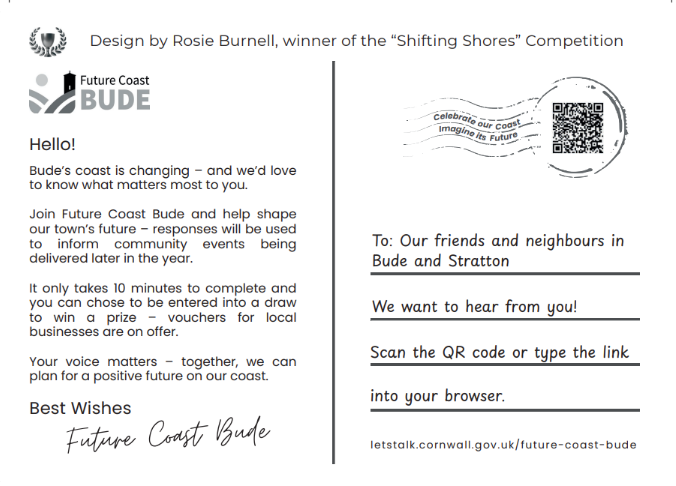
Shifting Shores: Postcard Design Competition
Share Shifting Shores: Postcard Design Competition on Facebook Share Shifting Shores: Postcard Design Competition on Twitter Share Shifting Shores: Postcard Design Competition on Linkedin Email Shifting Shores: Postcard Design Competition link

Show Us Bude Through Your Eyes!
Our coastline is always changing – and so is Bude. From dramatic cliffs and sandy beaches to everyday life by the sea, we want to celebrate what makes our coastal town special.
Before we begin a wider community conversation next year, we’re starting with something creative. The Shifting Shores postcard competition invites residents to share their vision of coastal Bude – past, present or future – through photography, painting, drawing, digital artwork or mixed media.
The winning design will be printed on postcards delivered to every household in Bude and Stratton in earlyContinue reading

Show Us Bude Through Your Eyes!
Our coastline is always changing – and so is Bude. From dramatic cliffs and sandy beaches to everyday life by the sea, we want to celebrate what makes our coastal town special.
Before we begin a wider community conversation next year, we’re starting with something creative. The Shifting Shores postcard competition invites residents to share their vision of coastal Bude – past, present or future – through photography, painting, drawing, digital artwork or mixed media.
The winning design will be printed on postcards delivered to every household in Bude and Stratton in early 2026, helping to kick-start the next stage of the Future Coast Bude project – working together to build a resilient future for our coast and community.
Enter today and help shape how we tell the story of Bude’s changing coast.
Entry Guidelines
1. Eligibility
- The Competition is open to residents of Bude and Stratton of all ages.
- Entrants under 18 must have permission from a parent or guardian to take part.
- The competition is open to everyone — whether you’re a professional, hobbyist, or first-time creator. Entries will be judged on creativity, originality, and how well they capture the spirit of coastal Bude, not on technical skill.
- Each entrant may submit one entry only.
2. Theme
The theme “Shifting Shores” invites you to capture what coastal Bude means to you – in spirit, scenery, people and places, past, present or future.
Your artwork might reflect:
- Bude’s coastal heritage – landmarks, history, or traditional seaside life.
- Bude today – beach scenes, surf culture, community events, or daily life by the sea.
- Bude’s changing coast – creative reflections on how our shoreline and community evolve over time.
3. Accepted Formats
- Digital submissions: JPEG or PNG format, 300dpi resolution.
- Physical submissions: Flat A4 artwork (no 3D materials) suitable for scanning or photography.
- Accepted media: photos, paintings, drawings, digital artwork or mixed media.
- The winning design will be reproduced on an A6 postcard (148 x 105 mm / 5.8 x 4.1 inches), so entrants may wish to consider this size and proportion when creating their artwork.
4. How to Enter
- By email: Send your entry to futurecoastbude@cornwall.gov.uk with your name, contact details, and optional caption (max 50 words).
- In person: Drop off physical artwork at the council offices in the Parkhouse Centre (EX23 8LD) during opening hours.
Each entry must include:
- Entrant’s full name
- Entrant's postcode
- Contact details (email or phone)
- Optional short caption or description (up to 50 words)
5. Closing Date
Entries must be received by Friday 14 November 2025.
Late entries cannot be accepted.
6. Judging and Selection
- Entries will be judged by representatives from Bude-Stratton Town Council and Future Coast Bude.
- Judging criteria: creativity, relevance to the coastal theme, visual appeal and suitability for postcard format and printing.
- One winning design will be selected.
- The judges’ decision is final.
7. Prizes
- The winning design will appear on a community postcard delivered to every Bude & Stratton household in early 2026.
- Winners will receive recognition on the Future Coast Bude website, social media and local press where possible.
- Selected entries may also feature in a local display or online gallery.
8. Copyright and Permissions
- Entries must be the entrant’s own original work.
- By entering, participants agree that Future Coast Bude, Bude-Stratton Town Council and Defra may use their artwork (with credit) in project materials including, but not limited to, postcards, websites, exhibitions and social media.
- Intellectual property rights in any materials created through the project are owned by Defra, in line with the programme’s funding conditions.
- Entrants will always be credited wherever their work is used.
9. Data Protection
Personal data will be used only to administer the competition and contact winners. Information will be handled in line with Bude-Stratton Town Council’s Privacy Policy.
10. General
- No entry fee is required.
- The organisers reserve the right to amend or cancel the competition if necessary.
- Submitting an entry implies acceptance of these Terms & Conditions.
-
Coastcraft goes live - learn about coastal processes and adaptation through a Minecraft world based on Bude!
Share Coastcraft goes live - learn about coastal processes and adaptation through a Minecraft world based on Bude! on Facebook Share Coastcraft goes live - learn about coastal processes and adaptation through a Minecraft world based on Bude! on Twitter Share Coastcraft goes live - learn about coastal processes and adaptation through a Minecraft world based on Bude! on Linkedin Email Coastcraft goes live - learn about coastal processes and adaptation through a Minecraft world based on Bude! linkCoastCraft launch – explore coastal resilience through a Minecraft world based on Bude!
What is CoastCraft?
CoastCraft is an educational game designed for students aged 9-14 (in England – Upper Primary Key stage 2 and lower secondary key stage 3). This game transports players to the coastal town of Bude in North Cornwall, modelled in MinecraftEducation™ by BlockBuilders. Playing CoastCraft introduces students to the dynamic processes of shaping coastal areas and challenges them to make decisions that balance the needs of various stakeholders while protecting the environment.
Who developed CoastCraft?
Based on the landscape of the town of Bude inContinue reading
CoastCraft launch – explore coastal resilience through a Minecraft world based on Bude!
What is CoastCraft?
CoastCraft is an educational game designed for students aged 9-14 (in England – Upper Primary Key stage 2 and lower secondary key stage 3). This game transports players to the coastal town of Bude in North Cornwall, modelled in MinecraftEducation™ by BlockBuilders. Playing CoastCraft introduces students to the dynamic processes of shaping coastal areas and challenges them to make decisions that balance the needs of various stakeholders while protecting the environment.
Who developed CoastCraft?
Based on the landscape of the town of Bude in Cornwall, the game has been developed in partnership by Minecraft Education, Cornwall Council and the Environment Agency as part of the latter’s £200m Flood and Coastal Innovation Programme.
Is CoastCraft part of the Future Coast Bude project?
Although CoastCraft is based in Bude, it is not part of the Future Coast Bude project. It is funded though Making Space for Sand. This is another project led by Cornwall Council and funded through the Defra Flood and Coastal Innovation Programme. This project covers a number of sites across Cornwall.
The aim of the Making Space for Sand Project is to encourage the more sustainable use and development of the coastal fringe to allow for a more natural, ecosystem approach to coastal management where traditional coastal protection is not possible. To find out more about Making Space for Sand visit their website: Home Page - Making Space for sand
CoastCraft is based on the sand dunes at Summerleaze beach. Does the game affect what is planned for the future of Summerleaze?
No. However, the game is based on real life modelling and shows the actual impacts that different decisions will have on the local area. The aim of CoastCraft is to give young people around the world the opportunity to understand more about coastal processes and what the competing needs are of a range of stakeholders.
CoastCraft places students onto Summerleaze in the present day. The game introduces the processes which are currently shaping the area, and provides the player with an opportunity to make important decisions while developing coastal resilience in the local community.
The Future Coast Bude project will be working with the community in Bude to plan for what their vision is for the coastline in Bude in the future. This will be done by working closely with the community to understand what is most important to them, and how a range of pressures and interests (just like in the game) can be balanced in the future, in the face of rising sea levels and coastal erosion.
How were Budehaven School involved in the project?
Students in Years 7 and 8 at Budehaven School were given the opportunity to play the game in advance of the launch. They were filmed playing the game and interviewed about how they found it. This footage was developed in a short film which is being used to promote CoastCraft.
CoastCraft was launched on 3 October and young people from Budehaven school were also involved in the launch.
How can I play CoastCraft?
CoastCraft can be played on the Minecraft™: Education Edition. It can be downloaded free and installed on many different types of device. You will need a Microsoft 365 account and you will need to search for “CoastCraft” in the Library.
-
The history of Bude Canal and Harbour
Share The history of Bude Canal and Harbour on Facebook Share The history of Bude Canal and Harbour on Twitter Share The history of Bude Canal and Harbour on Linkedin Email The history of Bude Canal and Harbour link
Continue readingThe Bude Canal was opened on the 8th July 1823. The purpose of the canal being built was mainly to bring lime rich sand for agricultural fertiliser to the hilly hinterland and the local farms. The Bude Canal system was one of the most unusual in Britain.If was remarkable in using six inclined planes which enabled tug boats, measuring 20ft x 5.6ft x 3.20ft to be hauled to the upper levels.It had a total extent of 35 1/2 miles (56km), and it rose from sea level to the upper levels.
The original plan had been to use barges The Bude Canal was opened on the 8th July 1823. The purpose of the canal being built was mainly to bring lime rich sand for agricultural fertiliser to the hilly hinterland and the local farms. The Bude Canal system was one of the most unusual in Britain.If was remarkable in using six inclined planes which enabled tug boats, measuring 20ft x 5.6ft x 3.20ft to be hauled to the upper levels.It had a total extent of 35 1/2 miles (56km), and it rose from sea level to the upper levels.
The original plan had been to use barges to transport sand through the sea lock. However, this was not considered effective and a system of rail tracks designed for trucks pulled by horses was developed instead.
Some of the rails are still visible on the beach today, and it is the rails running down the path to the beach that have been incorporated into the newly restored access way.The sea lock is one of only two in the UK, and was enlarged to its current size in 1838. it is 119ft x 30ft x 30ft and requires a minimum depth of 9ft 6" of sea water to operate. The lock is still in use today and is operated by a volunteer crew.
The original breakwater was built in 1820. It was rebuilt in 1838 following a violent storm to the design we see today. The breakwater is vital in protecting the harbour and helping ensure the safe passage of ships.
Photographs courtesy of The Castle Heritage Centre.
Key Dates
Who's Listening
-
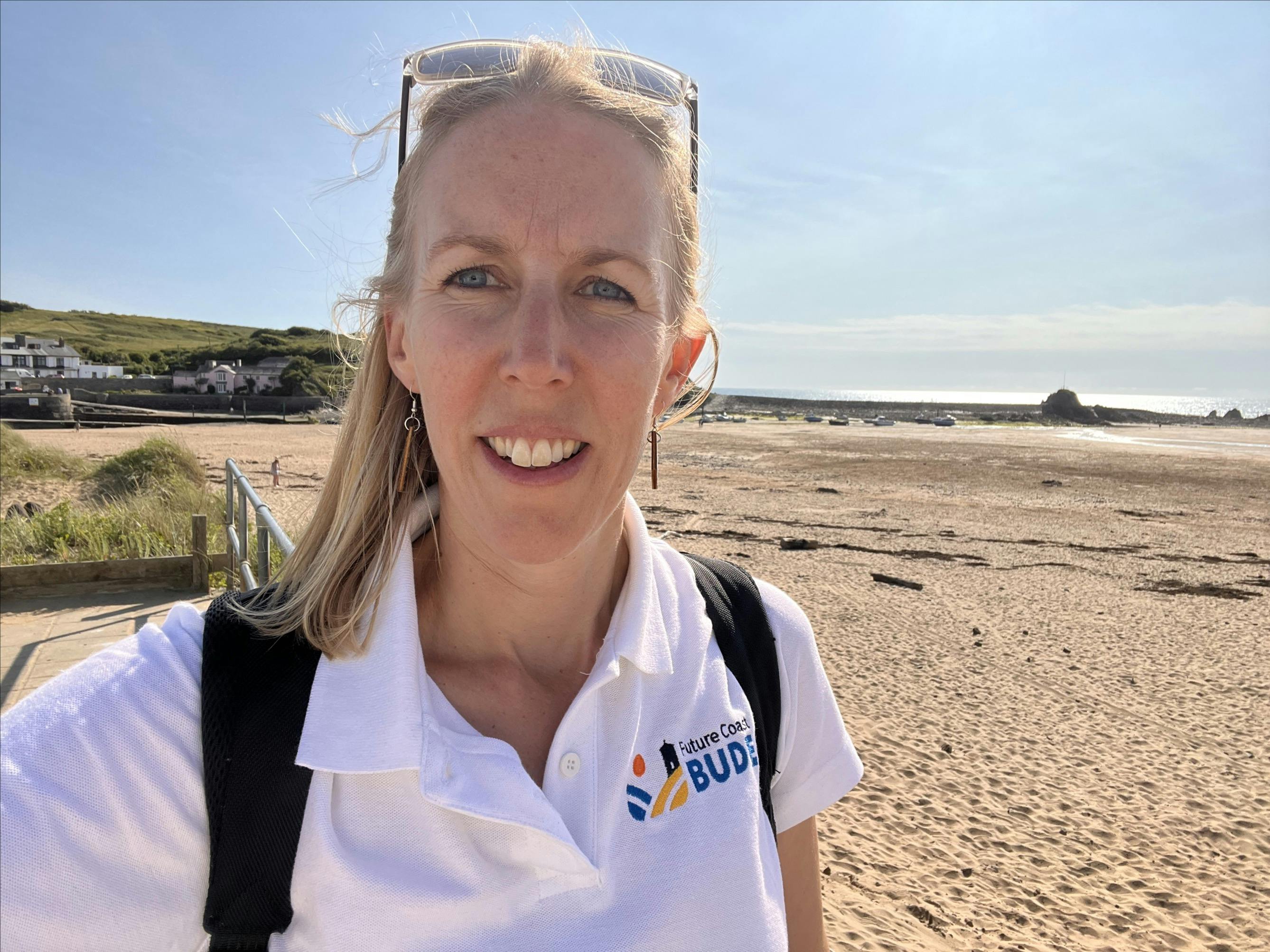
Future Coast Bude Communications and Engagement Lead
-
-
HN
Future Coast Bude Project Timeline
-
April 2025 - project start
Future Coast Bude is currently at this stageApproval from Environment Agency and Cornwall Council to commence project
-
April 2027 - project ends
this is an upcoming stage for Future Coast BudeAll consultation and projects need to have completed their delivery by this point.
News & Updates
- CoastCraft (1)
- Critical Friends Group (1)
- Events (2)
- Gabions (1)
- Historic information (1)
- Monthly update (1)
- Monthly updates (3)
- Park and Ride pilot (6)
- Sand Rails Access Work Update (16)
- Sand Recycling (3)
- Shifting Shores: Postcard Design Competition (1)
- Youth Board (5)
Critical Friends Group presentations
Explore Bude's Coast
Future Coast Bude projects - have your say supporting information
-
Potential coast path routes.pdf (713 KB) (pdf)
-
Potential location of beach huts at Summerleaze.pdf (643 KB) (pdf)
-
Potential location of beach huts Crooklets.pdf (693 KB) (pdf)
-
Potential location of modular toilets at Crooklets.pdf (428 KB) (pdf)
-
Potential location of modular toilets at Summerleaze.pdf (892 KB) (pdf)
-
Potential locations of canal side beach huts.pdf (562 KB) (pdf)
-
Potential plans for Crooklets over flow car park.pdf (1000 KB) (pdf)
-
Potential project locations.pdf (2.05 MB) (pdf)