
Project update - August/ September 2026
As the Future Coast Bude project enters its final six months, work continues to help Bude prepare for the impacts of coastal change. Over the past two months, progress has been made across a range of projects, including transport, community engagement, coastal planning and education.
Future Coast Bude Project Delivery
In August, the project shared an update from Cllr Loic Rich, Cornwall Council Cabinet Member for Environment and Climate Change. The update confirmed that Future Coast Bude would be progressing plans to provide two new modular toilet blocks, one at Summerleaze and one at Crooklets.
On 9 September, Bude-Stratton Town Council considered the proposals and resolved that it would not accept responsibility for the ongoing maintenance of any modular toilets built by Cornwall Council at Crooklets or Summerleaze. Following this decision, Future Coast Bude confirmed that the proposed toilet project would not proceed.
Park & Ride Pilot 2026
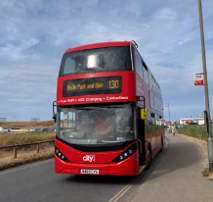
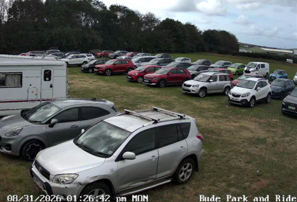
During the summer holidays, the second year of Bude's Park & Ride pilot took place. This was made possible thanks to the continued support of a local landowner, who again provided the land free of charge.
The 2026 pilot was designed to:
- Build on lessons learned from the 2025 pilot.
- Increase passenger numbers.
- Improve awareness and stakeholder engagement.
- Gather evidence to assess whether a permanent seasonal service could be justified.
Improvements introduced in 2026
Service Changes
- Earlier start time of 8am (previously 10am).
- Route extended to Crooklets Beach.
- Car park capacity signs installed.
- Permanent fold-down Park & Ride signage installed.
- Formal bus stop introduced.
Ticket Prices
- Adult ticket: £2.50 (previously £2.00).
- Child ticket: £1.50 (previously £1.00).
- Family ticket: £7.50 (previously £5.00).
- Discounted block booking options available.
Additional Incentives
- Free travel for children throughout August.
- Concessionary bus passes accepted.
 |  |  |
What we learned
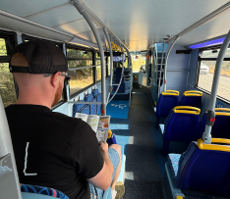
Between 5,000 and 6,000 passenger journeys were made during the pilot. Although the service was well used and highly valued by those who travelled on it, income generated was not sufficient to make the service financially viable.
Feedback from passengers was extremely positive, with 95% of users saying they would either use the service again or recommend it to someone else.
At the same time, the number of parking tickets sold in Bude's main car parks has increased by around 10,000 since 2024, suggesting visitor numbers continue to grow.
As visitor numbers increase and coastal change places additional pressure on parking provision in the future, finding sustainable ways for people to access Bude will be increasingly important to support the town's economy and visitor experience.
Next Steps
The 2026 pilot showed that a seasonal Park & Ride service can operate successfully and is highly valued by users.
However, despite improvements to the service, stronger promotion and high customer satisfaction, passenger numbers were lower than in 2025 and usage remains too low for the service to operate without financial support.
Future Coast Bude is now exploring whether community transport could play a role in addressing Bude's future transport challenges. The full findings from both Park & Ride pilots, along with the Travel and Access Study, will be shared with Bude-Stratton Town Council, Connect Bude and Cornwall Council's Transport Team.
Coastal Vision
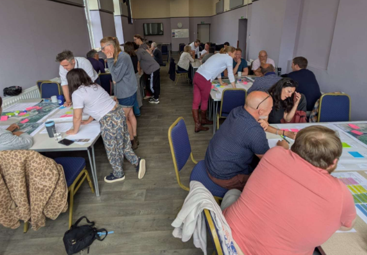
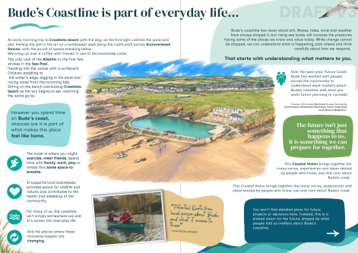
Over the past 12 months, a wide range of engagement activities have taken place through the Future Coast Bude project, gathering views from residents, businesses, young people and stakeholders about Bude’s changing coastline. Bude-Stratton Town Council is now bringing together what has been heard, alongside evidence gathered through the project, to create a Coastal Vision for the town.
The Coastal Vision will set out a shared long-term vision for Bude’s coastline – what the community values, the future it wants to work towards, and the principles and priorities that should guide decisions as the coast changes.
The Coastal Vision will also help inform the Coastal Change Management Plan (CCMP), which will focus on how Bude can plan for and manage the practical impacts of coastal change over time. The completed Coastal Vision will be supported by a short film.
 |  |
Youth Board
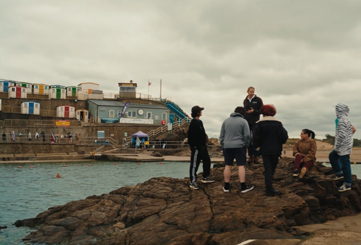
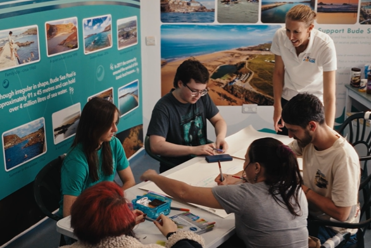
The Future Coast Bude Youth Board has continued to play an active role in the project.
Members have been working with a local filmmaker to produce a short film about their involvement in the project and the importance of including young people in decisions that will affect future generations.
The film is available to view online and will be used with communities across Cornwall and beyond to demonstrate the value of youth participation in decision-making.
Youth Board members have also been invited to speak at the South West Coastal Monitoring Group's annual meeting, where they will share their experiences of being involved in the project.
 |  |
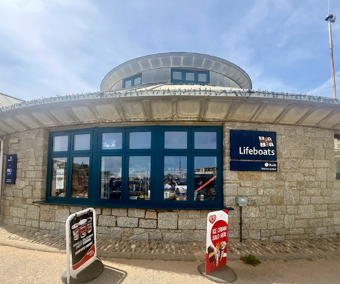
Planning for the Future of the RNLI Lifeboat Station and Surf Life Saving Club
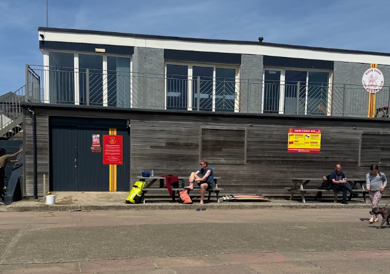
Community engagement carried out through the project identified both the RNLI Lifeboat Station at Summerleaze and the Surf Life Saving Club (SLSC) at Crooklets as important community assets.
Both facilities are expected to face increasing challenges from coastal erosion and sea level rise in the future. Understanding where these services could be located in the long term is therefore an important part of planning for coastal adaptation.
It is worth remembering that the last relocation of the lifeboat station took around 20 years to deliver. Starting these conversations early helps ensure that essential facilities can continue to operate when they are needed.
Future Coast Bude is working with the RNLI, the Surf Life Saving Club and Dune Architects to identify the most suitable future locations for both facilities.
 |  |
Wave Modelling
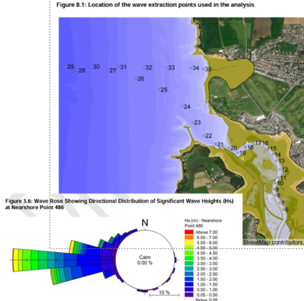
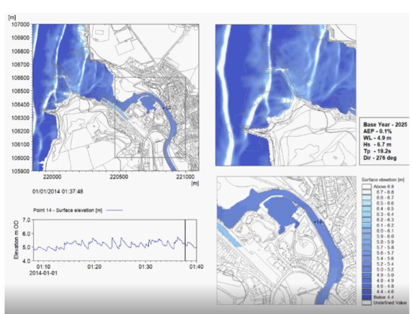
Future Coast Bude has part-funded a detailed study into how waves affect Bude's coastline both now and in the future.
The work has examined how features such as the breakwater, sand dunes and sea pool influence wave behaviour today, and how their role may change as sea levels rise and coastal conditions evolve.
The findings were presented to the project's Critical Friends Group in late September, and the presentation is available to view online.
This information is now being used to inform both the Coastal Vision and the Coastal Change Management Plan currently being developed.
A second phase of the modelling project will assess a further set of potential management options, to add to those already done, and is being undertaken between now and next March.
 |  |
2 Minute Foundation Work
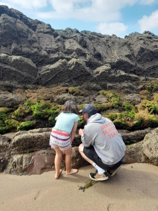
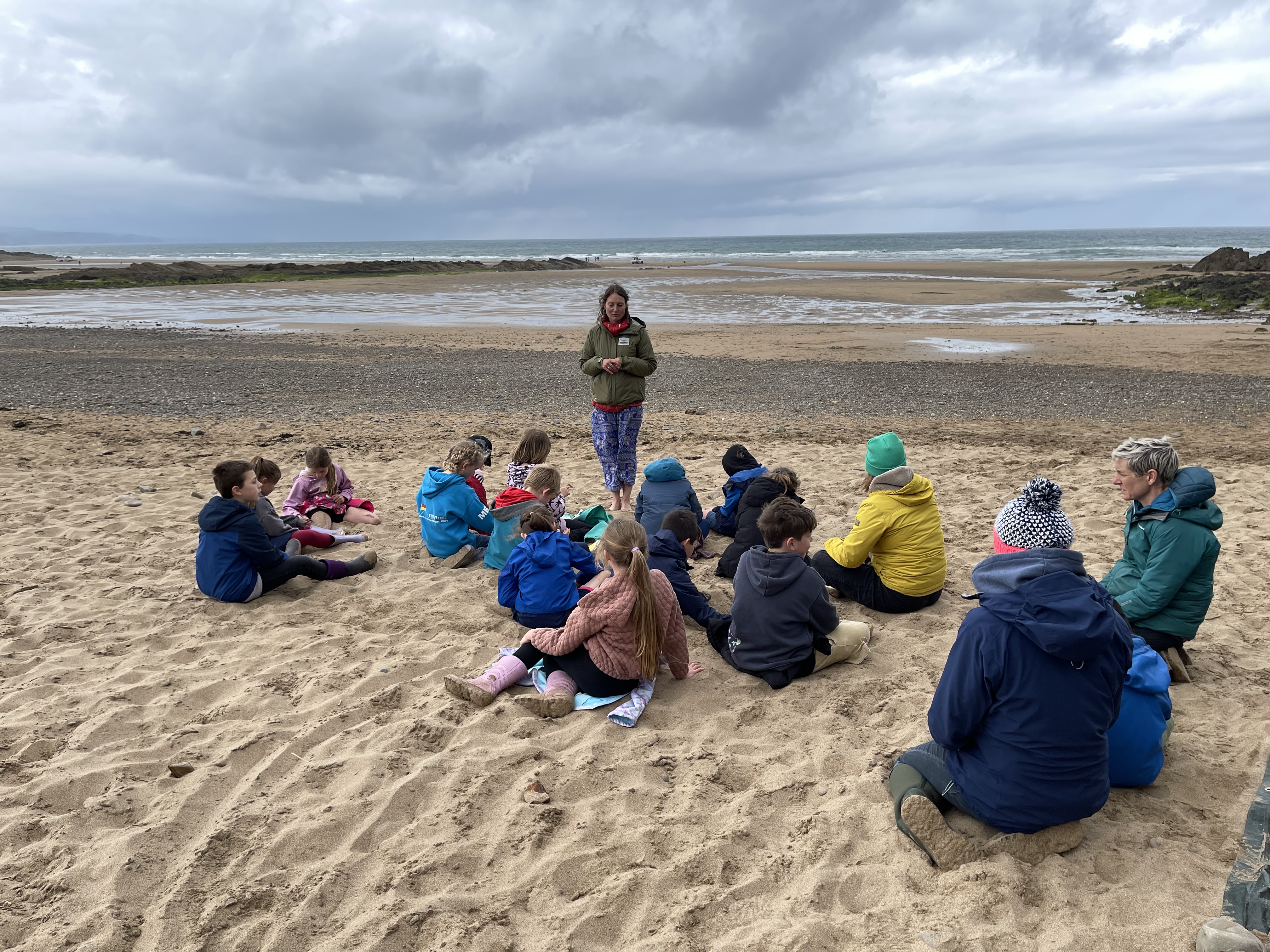
The 2 Minute Foundation has continued its excellent work with young people and communities, helping to increase understanding of coastal change and climate impacts.
Over recent months, the organisation has worked with schools, community groups, home-educated young people and individuals across the area to explain coastal processes and the challenges facing the coast in the future.
In addition, the charity has repeated the coastal awareness survey first undertaken last summer. While the results are still being analysed, early findings suggest that public awareness and understanding of coastal processes has improved compared with last year.
 |  |  |
Dune restoration update
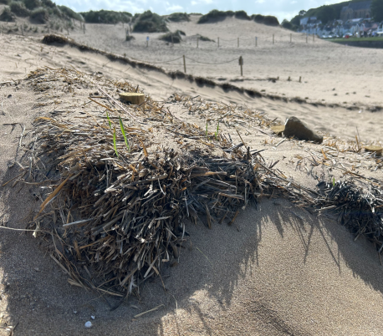
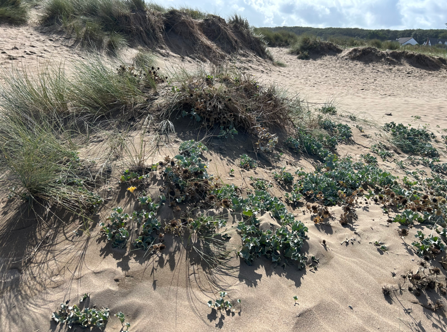
Following a review of the dune restoration areas after a hot, dry summer, the Dunes Group has reported several positive outcomes. The straw bales installed earlier this year have remained effective, helping to retain sand and support the natural development of the dunes. Some new grasses have also established within the restoration areas.
The fencing and signage have successfully reduced foot traffic through sensitive areas, helping to protect habitats and support dune recovery.
While the initial marram grass planting has had limited success, the team remains optimistic that further growth may emerge next spring. Lessons learned from this year's work will help shape future planting efforts, with additional marram grass already planted in September and further restoration planned for next year.
 |  |
Looking Ahead
As Future Coast Bude enters its final six months, the project team is focusing on the long-term legacy of the work completed so far.
Alongside delivering remaining activities in Bude, the team is also exploring opportunities to apply the lessons learned through the project in other coastal communities across Cornwall, helping more places prepare for the impacts of coastal change.
If you would like to receive updates on coastal adaptation work taking place across Cornwall, please email futurecoastbude@cornwall.gov.uk and ask to be added to the wider mailing list.

Thank you for your contribution!
Help us reach out to more people in the community
Share this with family and friends