What is Co-production
Welcome to a better way of doing things with Cornwall Adult Social Care.
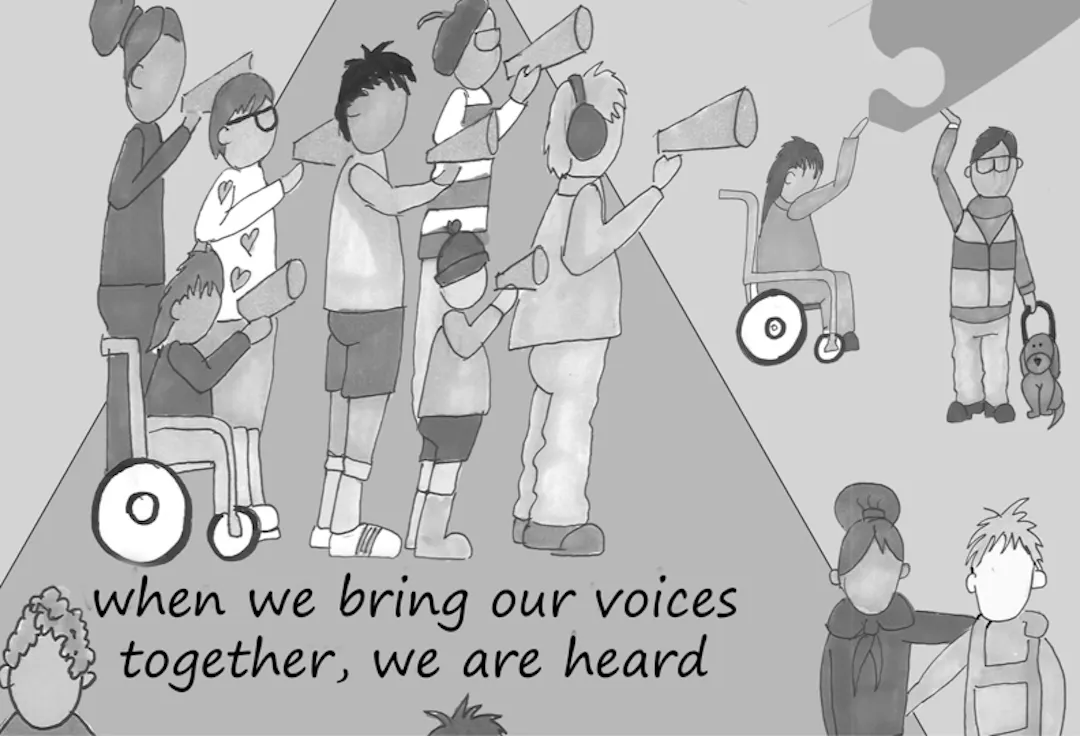
Co-production is all about building a lasting partnership between the council and our community. By the means of co-production we can create an accessible and inclusive Kernow for everyone that:
lives
works
volunteers, or
studies here
It's our commitment to ‘nothing about you, without you'.
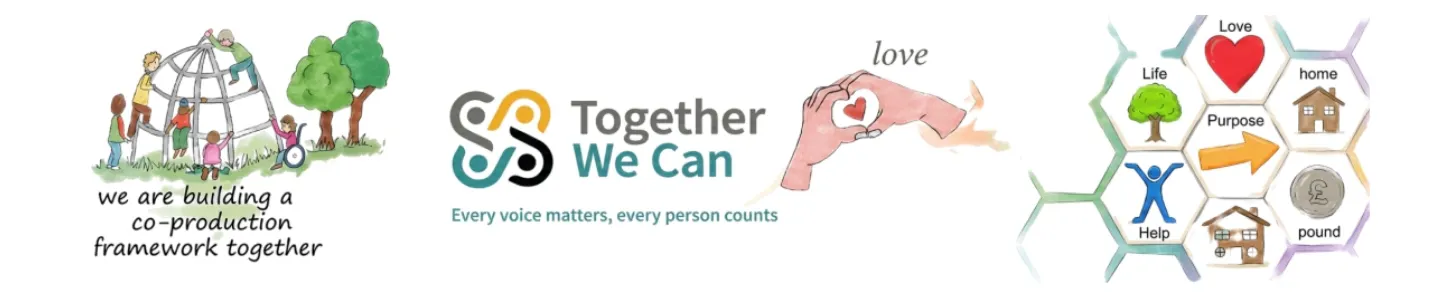
We have produced a People Commissioning Co-production Framework with Experts by Experience. It helps explain why we are doing co-production. It also explains about what co-production will look like and how we will measure the impact, to see that co-production is working.
What is an Expert by Experience
This phrase explains that those who live with a:
condition
disability
specific life experiences or
protected characteristics
are the experts on that specific issue. It can cover many things. These could be an experience of domestic violence, human trafficking or crime. It could mean a life as a queer person, a person of colour, or a person who is or has been pregnant, and much more.
In Adult Social Care we have contact with many people. They are all experts on living with their disabilities, health conditions or illnesses. We also have contact with their carers and loved ones. Experts by Experience know far more about their condition than anyone else. They must be involved in decisions around their own support needs and life choices. They should also provide their input, on a wider scale, in shaping services for people who share a similar disability. The Council encourages input from people with lived experience in its decision-making processes.
We co-produce with:
residents
directorates
community
organisations
councillors, and
other partners
to build shared solutions that are implemented in Adult Social Care in Cornwall.
What is Co-production?
Co-production is a way of bringing everyone together. The shared aim is to remove barriers that prevent our residents from living as equal members of our community. It's about creating a culture across Cornwall where ideas and activities about co-production can thrive.
Co-production is ‘the relationship where professionals and citizens share power to:
design
plan
assess and deliver support together
It recognises that everyone has a vital contribution to make in order to improve quality of life for people and communities’ (New Economics Foundation).
Principles of Co-production
Our Co-production Framework was created with Experts by Experience. In the Co-production Framework we pledge to:
treat people as assets
build on people's capabilities
develop relationships with people
blur boundaries between delivering and receiving services
encourage and support peer support networks
facilitate and work with people to develop their own supports
help with maximising people's independence and potential
This is based on these principles of co-production:
Equal Partnership. Professionals and residents work together to plan, provide and evaluate services.
Inclusivity. Everyone has an important part to play in improving life for people and the community.
Removing Barriers. The focus is on identifying and eliminating obstacles that prevent full participation.
Confidence Building. It's about empowering people to work together and feel included in changing the things that matter.
Co-production can:
create services that people prefer
lead to more cost-effective solutions in the long run
reduce waste in service delivery
recognise and utilise the expertise of all participants
Levels of involvement in council activities
It's important to recognise that there are different levels of involvement between the council and citizens. It ranges from simple information sharing to full co-production. Co-production offers significant benefits and should be considered as a first way of working. It may not always be applicable or practical for every council activity.
Some reasons for this include:
1. Legal constraints. Certain decisions must be made solely by elected officials or appointed experts.
2. Time sensitivity. Some issues require immediate action, limiting the scope for extensive collaboration.
3. Technical complexity. Some matters may require specialised knowledge that most residents don't possess.
4. Resource limitations. Full co-production can be resource-intensive and may not be feasible for all projects.
5. Scale of impact. For decisions affecting only a small number of residents, other forms of engagement might be more appropriate.
With that said, Cornwall Council Adult Social Care is committed to "nothing about you without you". The drive for co-production is set to keep on increasing in both scope and diversity of application.