Mental Health Summit

Share Mental Health Summit on Facebook Share Mental Health Summit on X (formerly Twitter) Share Mental Health Summit on Linkedin Email Mental Health Summit link

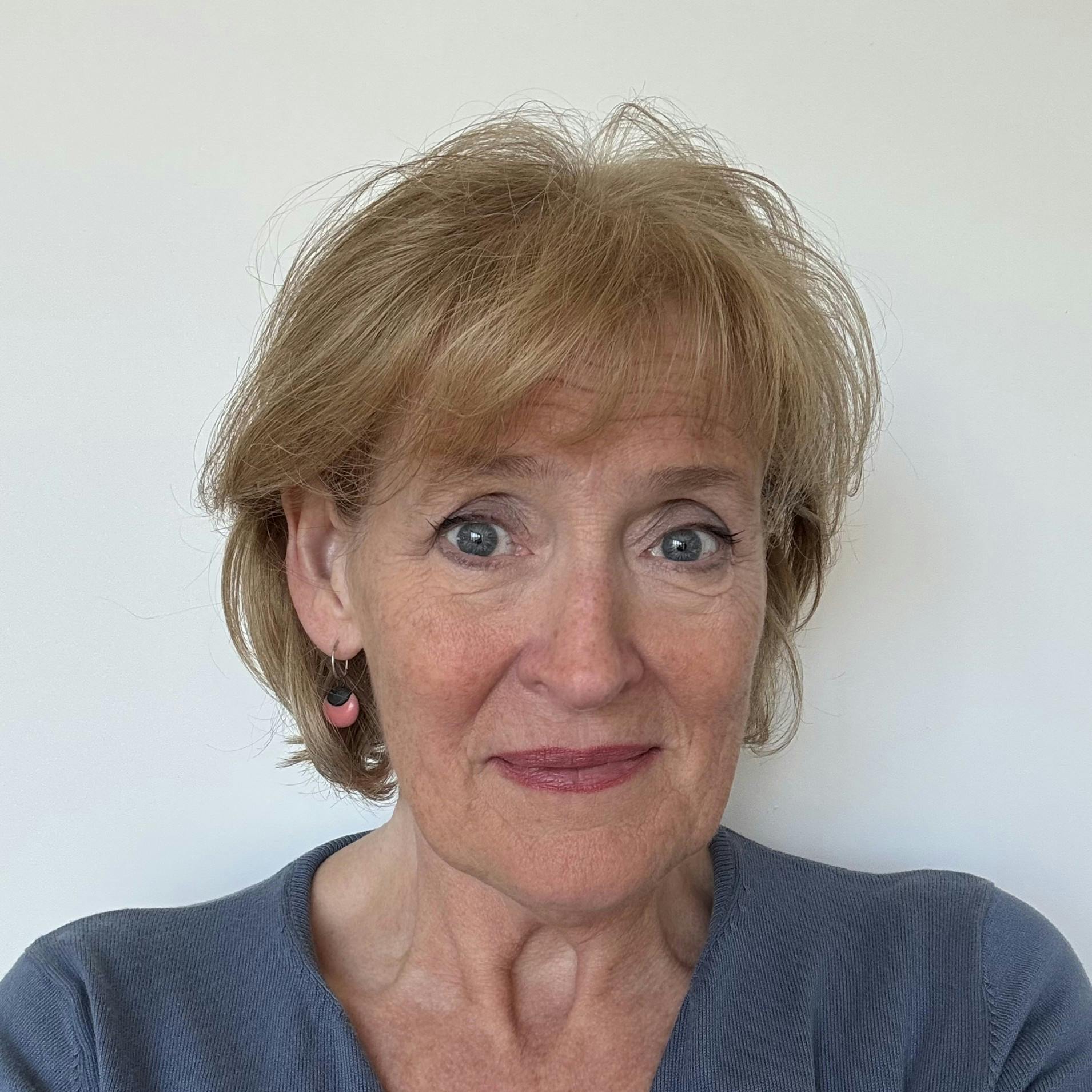
The Cornwall Mental Health Summit, was convened by Cllr Leigh Frost, Leader of Cornwall Council.

It brought together the authorities, agencies and organisations involved in mental health services and supporting people in mental distress in Cornwall.

Cllr Leigh Frost, Leader of Cornwall Council, convened the Summit.
Leigh said: "Mental health and wellbeing affects every community, every family and every generation. This summit will provide an opportunity to hear directly from experts, listen to residents and work together with partners on our shared ambition to improve mental wellbeing across Cornwall and the Isles of Scilly."


Purpose and intended outcomes

At a high level, the summit aimed to:

  • Provide a clear, evidence-based overview of mental health, mental wellbeing and suicide prevention in Cornwall and the Isles of Scilly
  • Raise awareness of the factors that influence mental wellbeing across the life course, including housing, employment, community connection, poverty and discrimination
  • Create an opportunity for residents to ask questions directly of experts and decision makers
  • Build a shared understanding of the challenges, opportunities and responsibilities across the whole system
  • Support development of a Cornwall Mental Health Declaration.

The summit was not designed to produce a new action plan. Significant work is already underway through the Director of Public Health Annual Report, the Mental Health Strategy refresh and the Suicide Prevention Strategy review.


Chair / MC

The Cornwall Mental Health Summit live was chaired by Seb Noble (BBC Spotlight's political reporter). Seb put questions to the Panel that represented the main themes raised by residents who submitted their question via Let's Talk Cornwall.

Panel

The Members of the Panel were senior representatives from across the health and care system in Cornwall and Isles of Scilly, listed alphabetically below:

  • Tamsyn Anderson: Chief Operating Officer, Cornwall Partnership NHS Foundation Trust
  • Kate Kelly-Talbot: Cornwall Council, Service Director ASC Operations
  • Cllr Thalia Marrington: Cornwall Council, Portfolio Holder for Health and Wellbeing
  • Dr Richenda Mason: Medical Director Regulation and Transformation, NHS CIOS ICB
  • Dr Mark Morris: GP with specialism in Mental Health, Lead for Mental Health & Wellbeing for Falmouth & Penryn and Truro Primary Care Networks
  • Dr Colm Owens: Chief Medical Officer Cornwall, Cornwall Partnership NHS Foundation Trust
  • Paul Reeve: CEO, Cornwall Mind.

Background to the Summit

Mental health affects us all. It influences how we cope with life, build relationships, work, learn and take part in our communities. Yet many people across Cornwall and the Isles of Scilly are experiencing increasing pressures that affect their wellbeing.

Some of the challenges facing Cornwall include:

  • On average, 77 people die by suicide each year in Cornwall, and suicide rates remain higher than the national average. Many of those who die have never been in contact with specialist mental health services.
  • People living with severe mental illness can die 15 to 20 years earlier than the general population, and Cornwall has a higher proportion of adults experiencing severe mental illness and premature death than the national average.
  • Demand for mental health support is rising across all age groups, particularly among children and young people. Contacts with mental health services for under-25s have increased substantially in recent years.
  • Depression is becoming more common, with the proportion of adults recorded as living with depression in Cornwall more than doubling over the last decade.
  • Nearly 1 in 5 adults report high levels of anxiety, while many people also face pressures linked to housing, low incomes, fuel poverty, caring responsibilities, loneliness and social isolation

What local people told us

Through public engagement over the last 12 months, residents consistently said that good mental health is supported by:

  • Strong relationships and social connections
  • Feeling part of a community
  • Financial security and stable housing
  • Having purpose, routine and meaningful activity
  • Access to support before problems reach crisis point.

At the same time, people described barriers including stigma, difficulties accessing support, rural isolation, cost-of-living pressures and the cumulative impact of everyday stresses.

Why prevention matters

Mental health is shaped not only by healthcare services but also by the conditions in which people live. Safe housing, good jobs, strong communities, education, transport, and opportunities to connect with others all play an important role in helping people stay mentally well. The evidence shows that Cornwall cannot rely on treatment alone; preventing distress and supporting wellbeing earlier is essential if we are to reduce inequalities, prevent avoidable harm and save lives.

A positive message

Cornwall also has many strengths. Local communities, voluntary organisations, schools, employers and health services are already working together to support wellbeing. By building on these strengths and investing in prevention, we can help more people to start well, live well and age well.

The Director of Public Health Annual Report 2026 was shared at Cabinet on 23 September 2026 and Health and Adult Social Care Overview and Scrutiny Committee on 30 September 2026.

Updated and refreshed versions of the all-age Mental Health Needs Assessment and Suicide Prevention Strategy are in development.

Questions for the Panel

Questions are now closed - thank you to everyone who has submitted a question or comment.

Cornwall's Mental Health Declaration

All of the information gathered at the summit will help form Cornwall's Mental Health Declaration. People are still invited to give their views.

The Cornwall Mental Health Summit, was convened by Cllr Leigh Frost, Leader of Cornwall Council.

It brought together the authorities, agencies and organisations involved in mental health services and supporting people in mental distress in Cornwall.

Cllr Leigh Frost, Leader of Cornwall Council, convened the Summit.
Leigh said: "Mental health and wellbeing affects every community, every family and every generation. This summit will provide an opportunity to hear directly from experts, listen to residents and work together with partners on our shared ambition to improve mental wellbeing across Cornwall and the Isles of Scilly."


Purpose and intended outcomes

At a high level, the summit aimed to:

  • Provide a clear, evidence-based overview of mental health, mental wellbeing and suicide prevention in Cornwall and the Isles of Scilly
  • Raise awareness of the factors that influence mental wellbeing across the life course, including housing, employment, community connection, poverty and discrimination
  • Create an opportunity for residents to ask questions directly of experts and decision makers
  • Build a shared understanding of the challenges, opportunities and responsibilities across the whole system
  • Support development of a Cornwall Mental Health Declaration.

The summit was not designed to produce a new action plan. Significant work is already underway through the Director of Public Health Annual Report, the Mental Health Strategy refresh and the Suicide Prevention Strategy review.


Chair / MC

The Cornwall Mental Health Summit live was chaired by Seb Noble (BBC Spotlight's political reporter). Seb put questions to the Panel that represented the main themes raised by residents who submitted their question via Let's Talk Cornwall.

Panel

The Members of the Panel were senior representatives from across the health and care system in Cornwall and Isles of Scilly, listed alphabetically below:

  • Tamsyn Anderson: Chief Operating Officer, Cornwall Partnership NHS Foundation Trust
  • Kate Kelly-Talbot: Cornwall Council, Service Director ASC Operations
  • Cllr Thalia Marrington: Cornwall Council, Portfolio Holder for Health and Wellbeing
  • Dr Richenda Mason: Medical Director Regulation and Transformation, NHS CIOS ICB
  • Dr Mark Morris: GP with specialism in Mental Health, Lead for Mental Health & Wellbeing for Falmouth & Penryn and Truro Primary Care Networks
  • Dr Colm Owens: Chief Medical Officer Cornwall, Cornwall Partnership NHS Foundation Trust
  • Paul Reeve: CEO, Cornwall Mind.

Background to the Summit

Mental health affects us all. It influences how we cope with life, build relationships, work, learn and take part in our communities. Yet many people across Cornwall and the Isles of Scilly are experiencing increasing pressures that affect their wellbeing.

Some of the challenges facing Cornwall include:

  • On average, 77 people die by suicide each year in Cornwall, and suicide rates remain higher than the national average. Many of those who die have never been in contact with specialist mental health services.
  • People living with severe mental illness can die 15 to 20 years earlier than the general population, and Cornwall has a higher proportion of adults experiencing severe mental illness and premature death than the national average.
  • Demand for mental health support is rising across all age groups, particularly among children and young people. Contacts with mental health services for under-25s have increased substantially in recent years.
  • Depression is becoming more common, with the proportion of adults recorded as living with depression in Cornwall more than doubling over the last decade.
  • Nearly 1 in 5 adults report high levels of anxiety, while many people also face pressures linked to housing, low incomes, fuel poverty, caring responsibilities, loneliness and social isolation

What local people told us

Through public engagement over the last 12 months, residents consistently said that good mental health is supported by:

  • Strong relationships and social connections
  • Feeling part of a community
  • Financial security and stable housing
  • Having purpose, routine and meaningful activity
  • Access to support before problems reach crisis point.

At the same time, people described barriers including stigma, difficulties accessing support, rural isolation, cost-of-living pressures and the cumulative impact of everyday stresses.

Why prevention matters

Mental health is shaped not only by healthcare services but also by the conditions in which people live. Safe housing, good jobs, strong communities, education, transport, and opportunities to connect with others all play an important role in helping people stay mentally well. The evidence shows that Cornwall cannot rely on treatment alone; preventing distress and supporting wellbeing earlier is essential if we are to reduce inequalities, prevent avoidable harm and save lives.

A positive message

Cornwall also has many strengths. Local communities, voluntary organisations, schools, employers and health services are already working together to support wellbeing. By building on these strengths and investing in prevention, we can help more people to start well, live well and age well.

The Director of Public Health Annual Report 2026 was shared at Cabinet on 23 September 2026 and Health and Adult Social Care Overview and Scrutiny Committee on 30 September 2026.

Updated and refreshed versions of the all-age Mental Health Needs Assessment and Suicide Prevention Strategy are in development.

Questions for the Panel

Questions are now closed - thank you to everyone who has submitted a question or comment.

Cornwall's Mental Health Declaration

All of the information gathered at the summit will help form Cornwall's Mental Health Declaration. People are still invited to give their views.

Page last updated: 11 Nov 2026, 03:25 PM