Jubilee Green Coastal Defence, Saltash
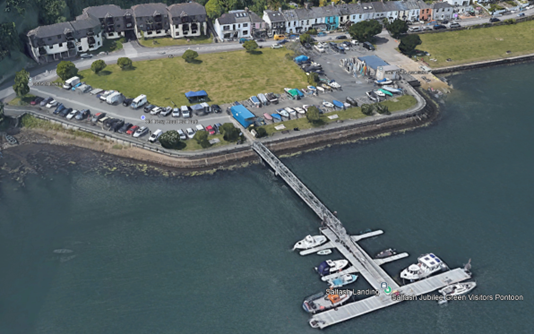
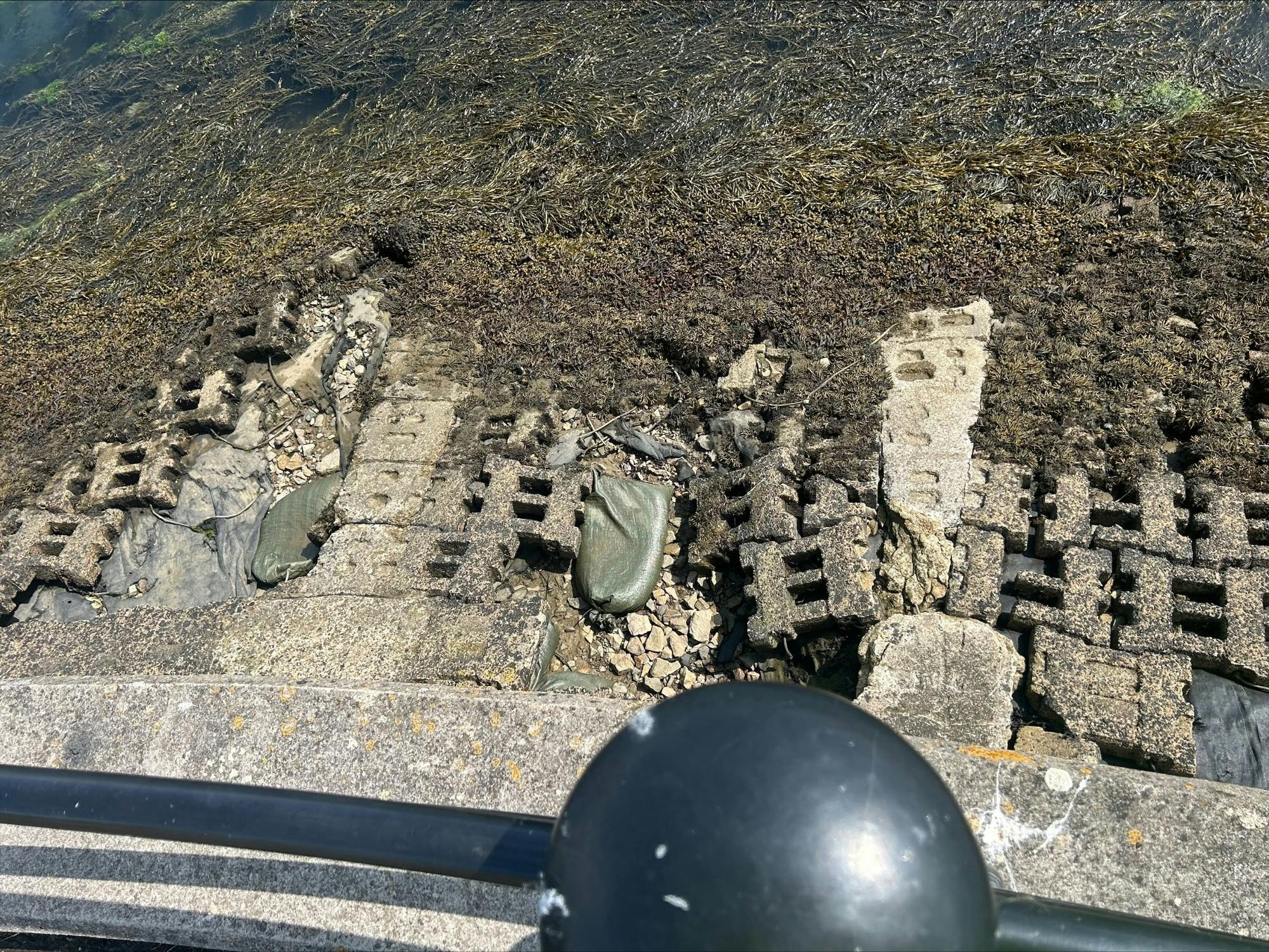
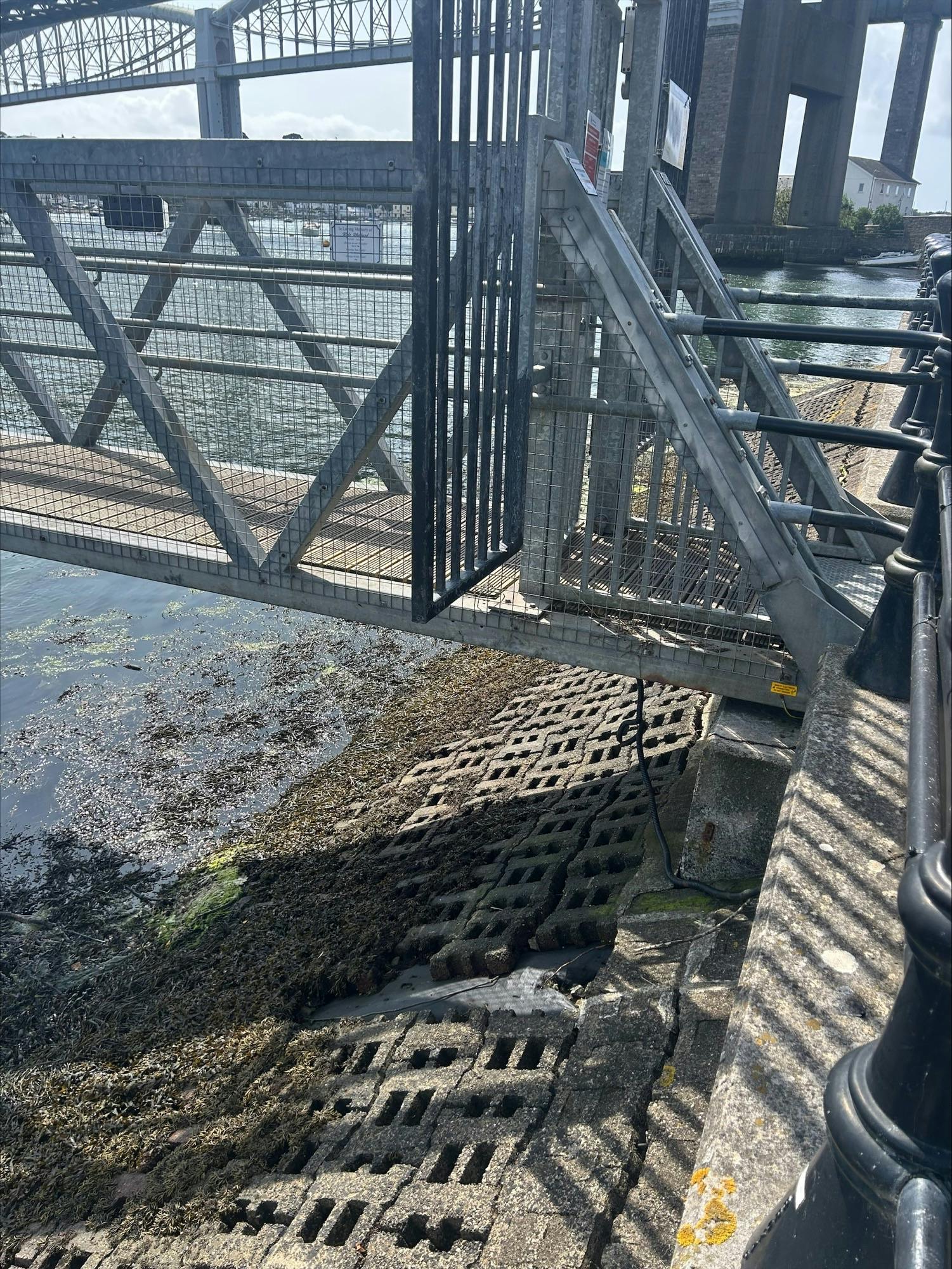
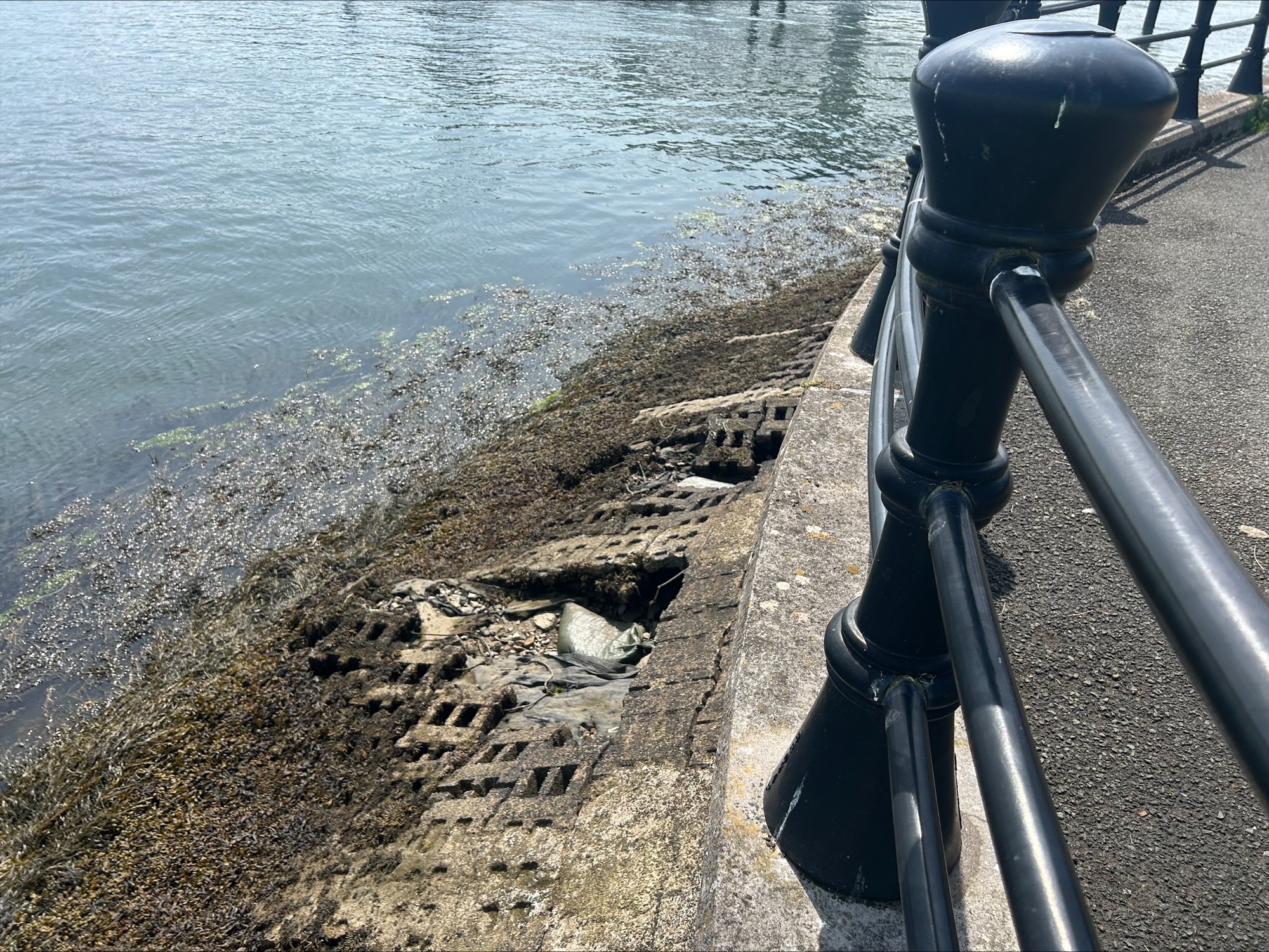
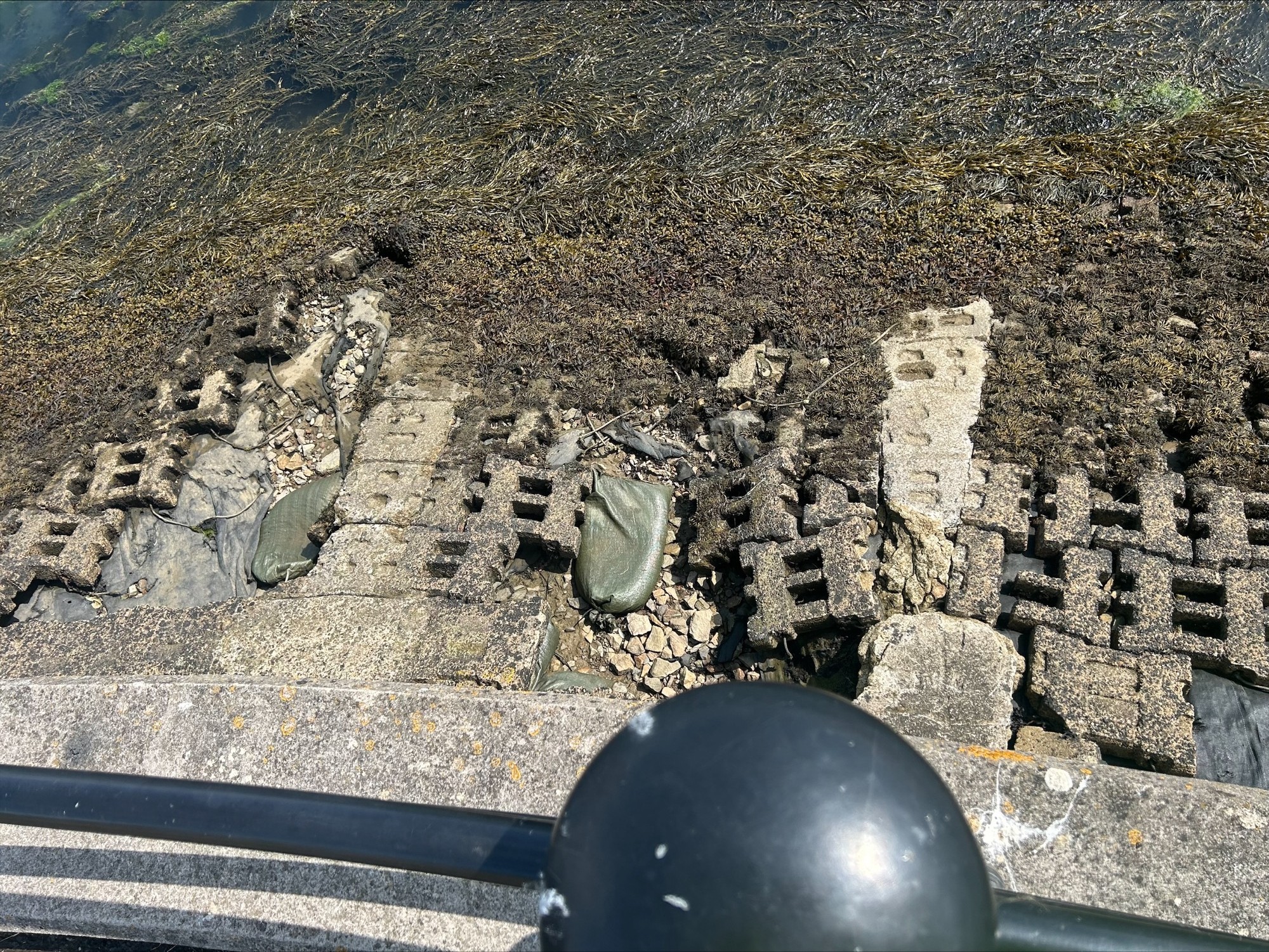
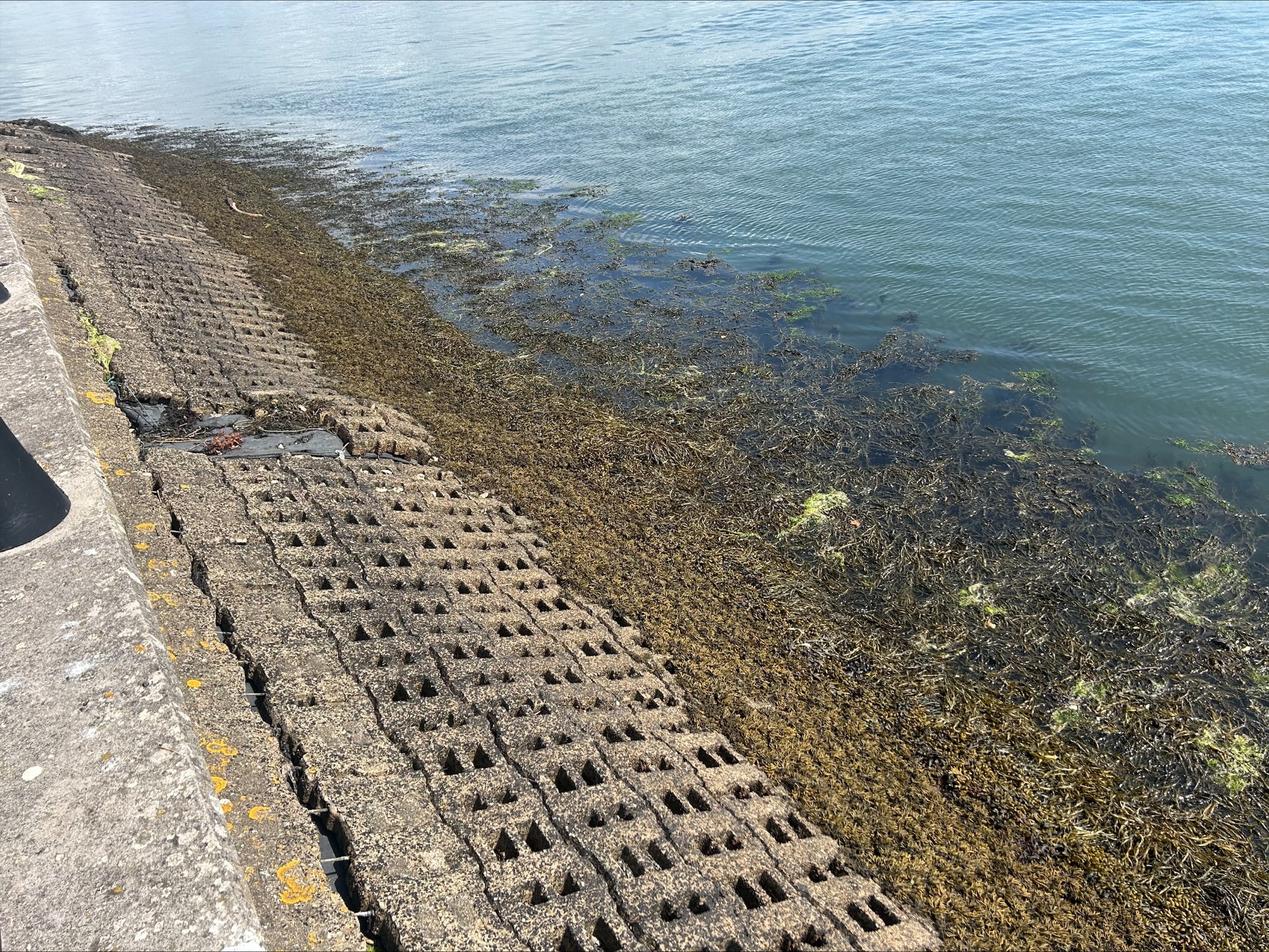
The current revetment supporting the seawall and riverbank at Jubilee Green is in place to protect the boat park, open green space and car park from coastal erosion. Following routine inspections, it has been identified that it is deteriorating and is now in a failing condition.
Jubilee Green falls within the SSSI Impact Risk Zone for the Tamar Tavy Estuary which is designated for its biological and geological features. The importance of this is recognised and the protection and enhancement of all environmental, marine, heritage and archaeological aspects of the project will be comprehensively and effectively managed. The project is designed to prioritise functionality, environmental sensitivity, and integration with the Waterside Character Area.
The use of rock armour ensures a durable, low-maintenance solution that respects the site’s environmental and heritage sensitivities while maintaining public access and enhancing the waterfront’s resilience.
 |  |  |
Rock armour is widely used in coastal protection because it is robust, flexible, and effective at absorbing water and wave energy, making it particularly suitable for locations like Jubilee Green where an existing revetment has failed. When the water hits the rocks, it is broken up and forced to move through gaps between the stones, taking the energy out of the waves, before damage can be done. Rock armour also blends easily into coastal landscapes like Jubilee Green.
The installation process at Jubilee Green will start with removing the failed revetment and reshaping the area to create the right slope for the new defence. As the old revetment is broken up, material will be set aside and reused wherever possible as part of the new coastal defence, being placed amongst the rock armour, adding variation in shape and texture.
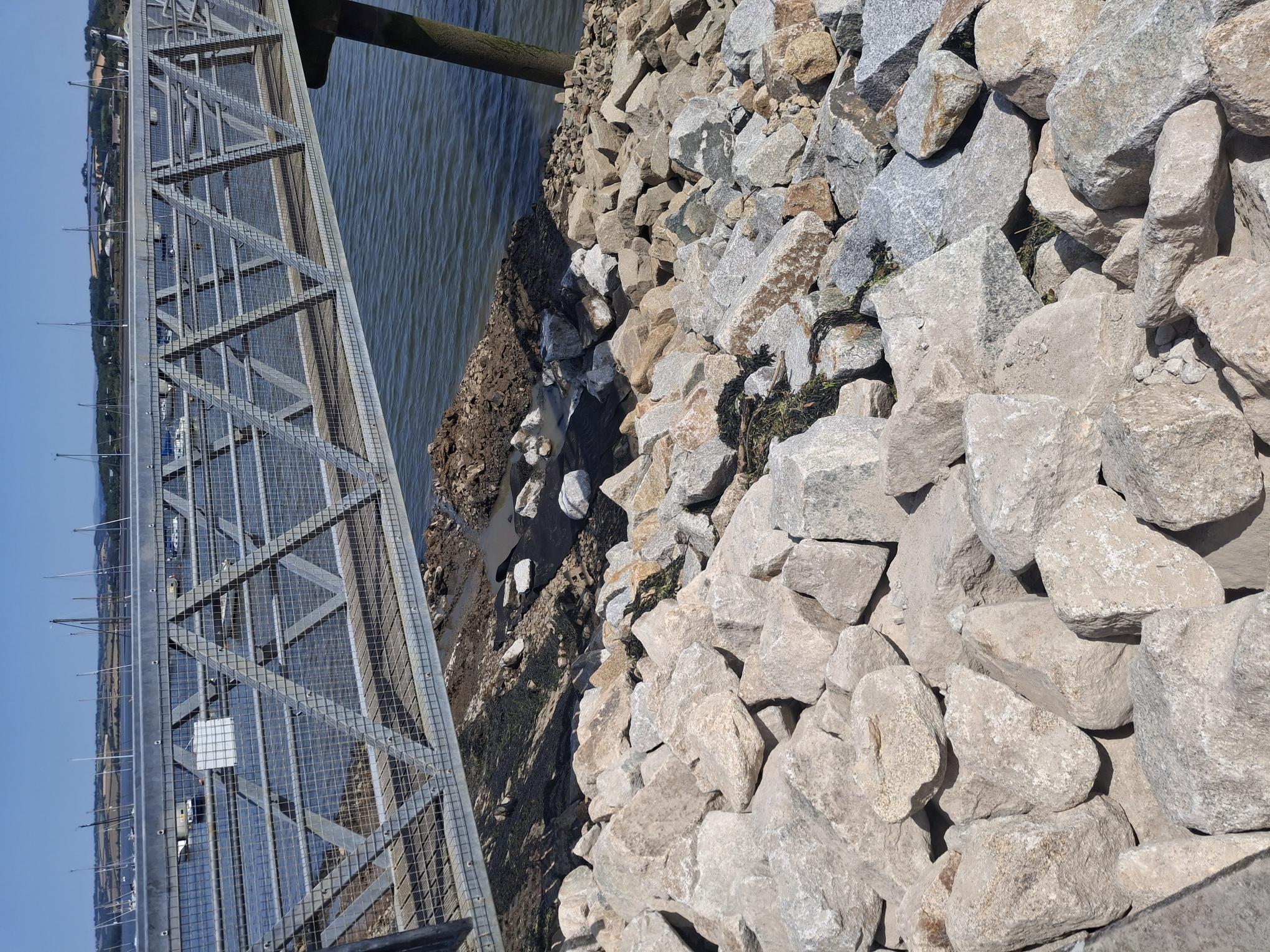
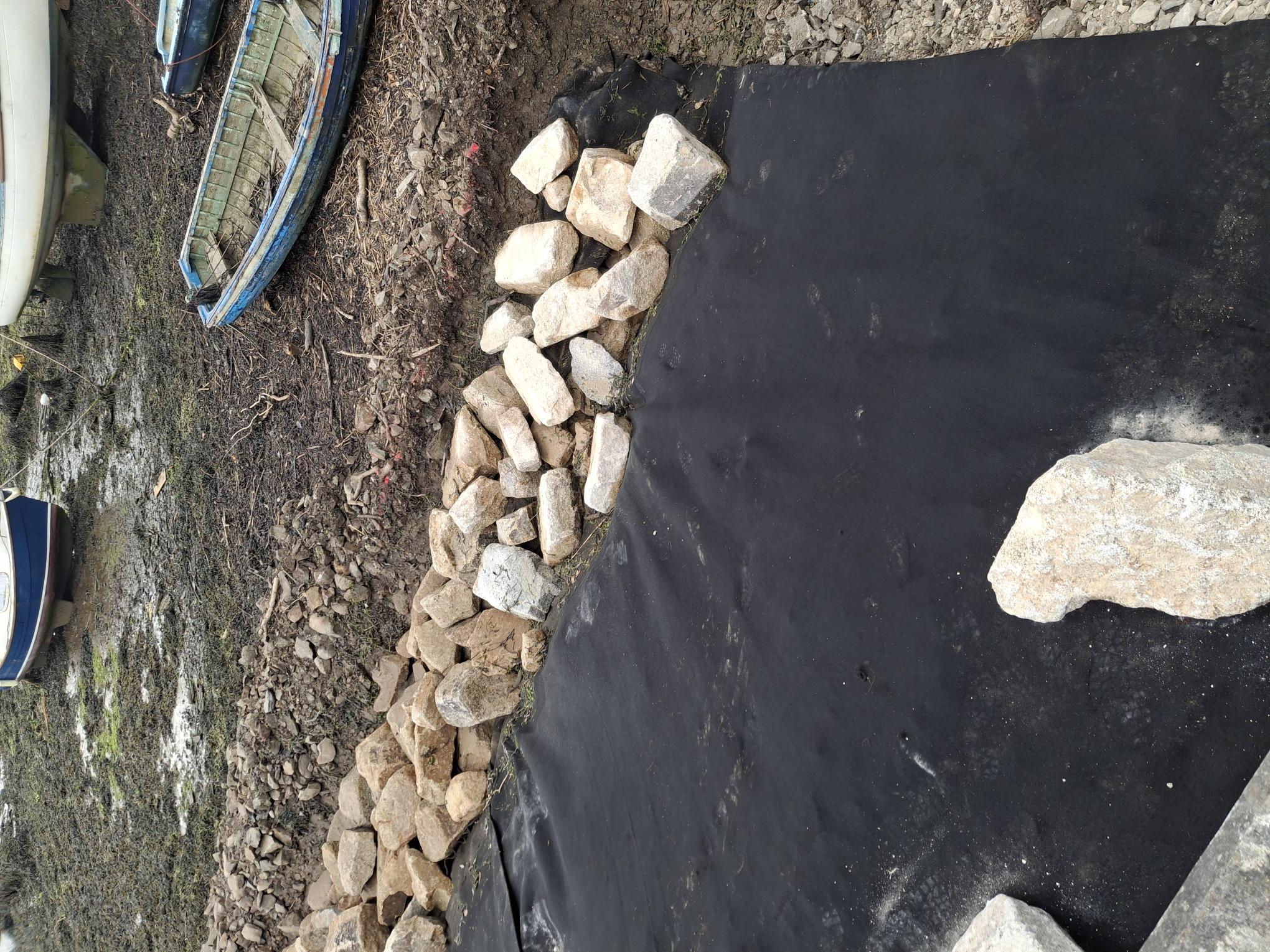
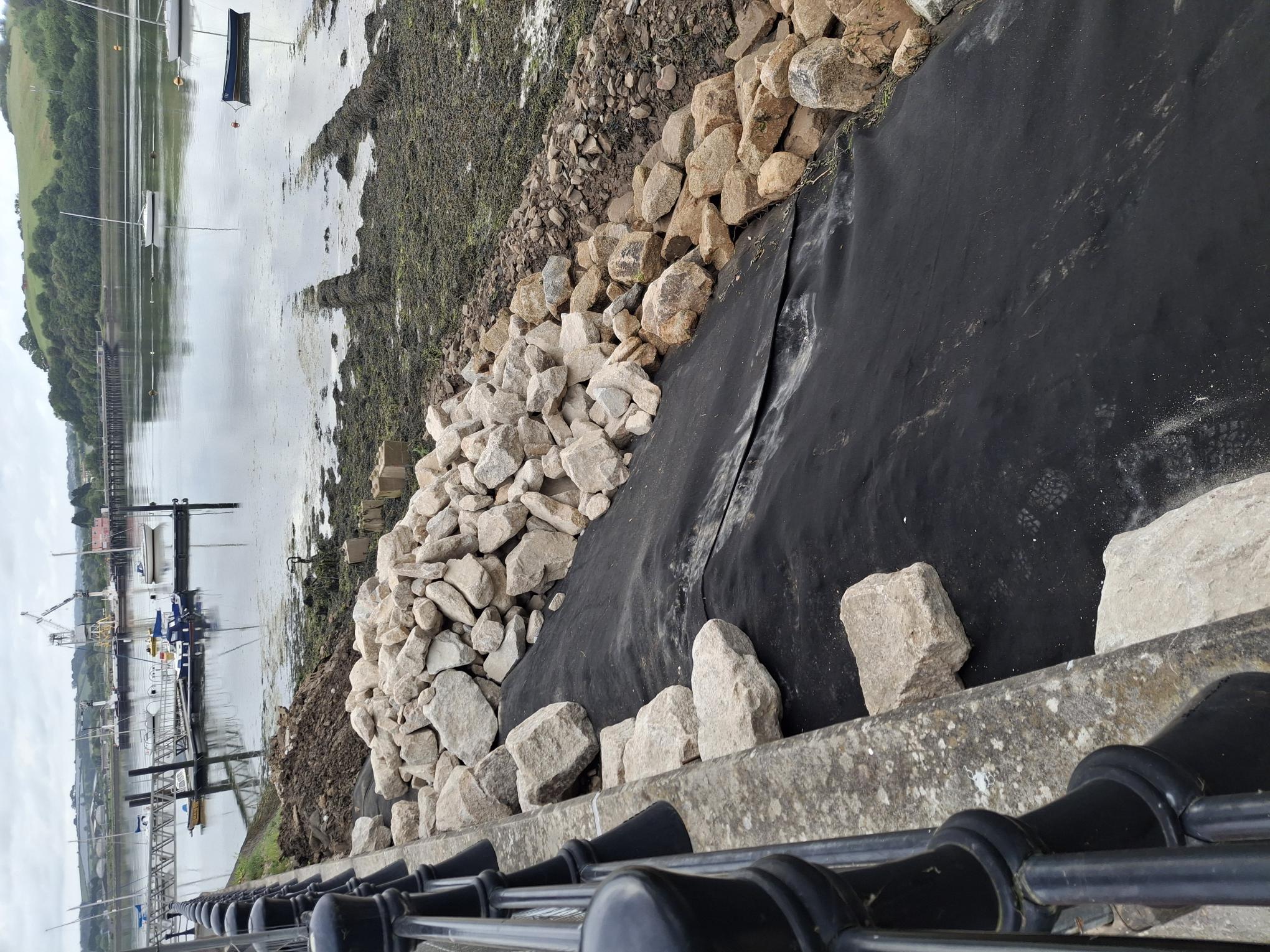
Before the rock armour is positioned, a geotextile membrane will be put in place. This will act as a filter, allowing water to pass through it, but preventing the finer soil materials behind it from being washed away. A layer of smaller stones will then be laid to form a stable base, then the main armour rocks carefully positioned, interlocking and sitting on top.
Rock armour also creates conditions for a new, living shoreline to develop over time. Because it is made up of large, irregular rocks with plenty of gaps and surfaces, it naturally provides habitat for vegetation and marine life to establish. Seaweed and other algae can start to grow on the surface of the rocks, whilst between and beneath the rocks are countless small spaces that act as shelter for marine invertebrates like crabs, barnacles, mussels and small shellfish. These gaps provide protection from predators, strong waves, and drying out between tides and in time will act like a natural rocky shore, offering the same kind of habitat that these species would find along a cliff or natural reef.
Once everything is in place, the surrounding area would be reinstated so the space remains a usable, enjoyable and safe place for the public.
We appreciate that while this project is underway, there will be some short-term disruption for businesses and residents nearby and are very grateful to everyone for their patience and understanding. Thank you.
CONTACT US: If you have any queries or concerns, or would like to speak to someone about this project, please email: contracting@cormacltd.co.uk(External link)(External link) or call us on 0300 1234 222
-
15th October 2026
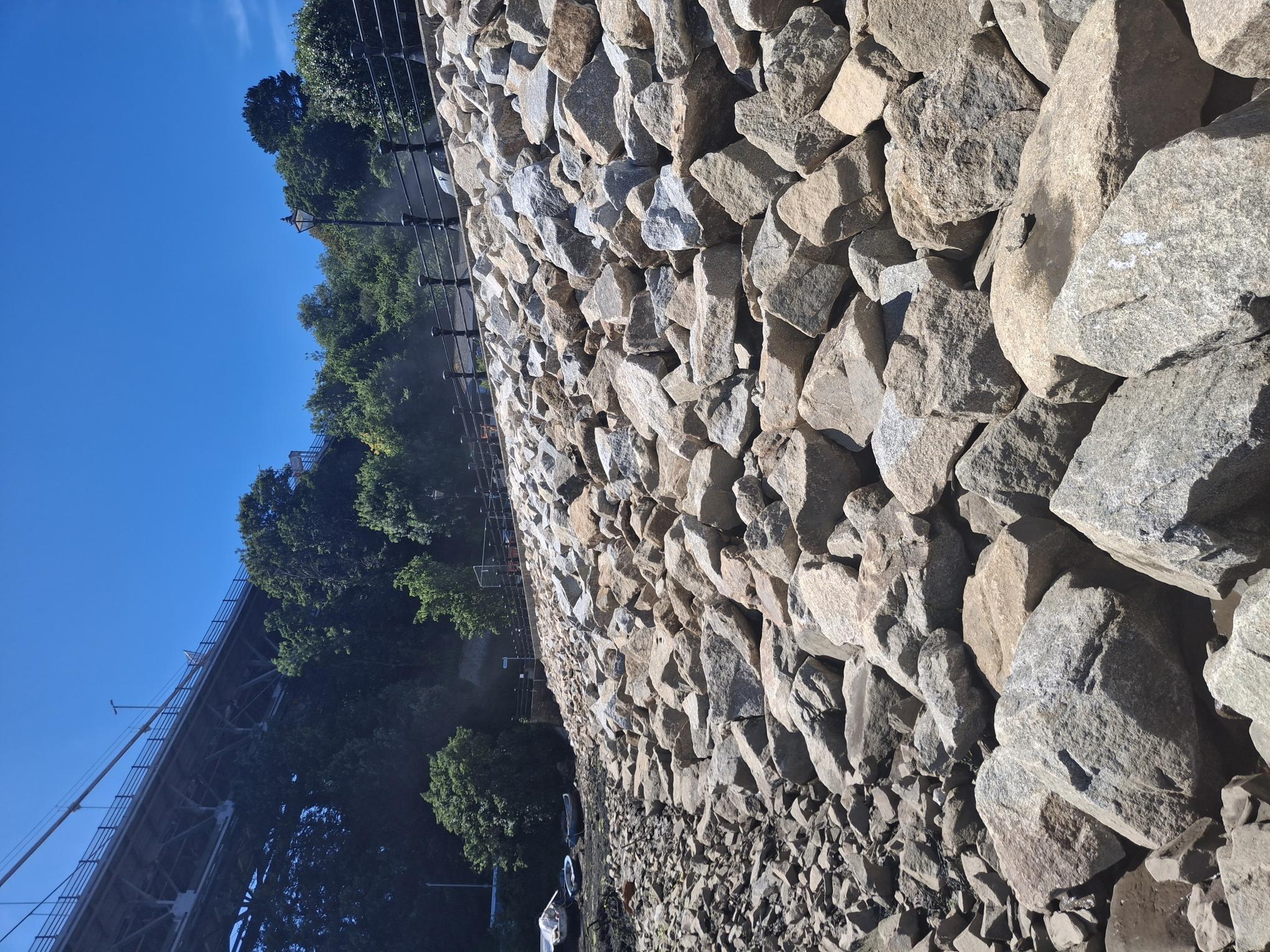
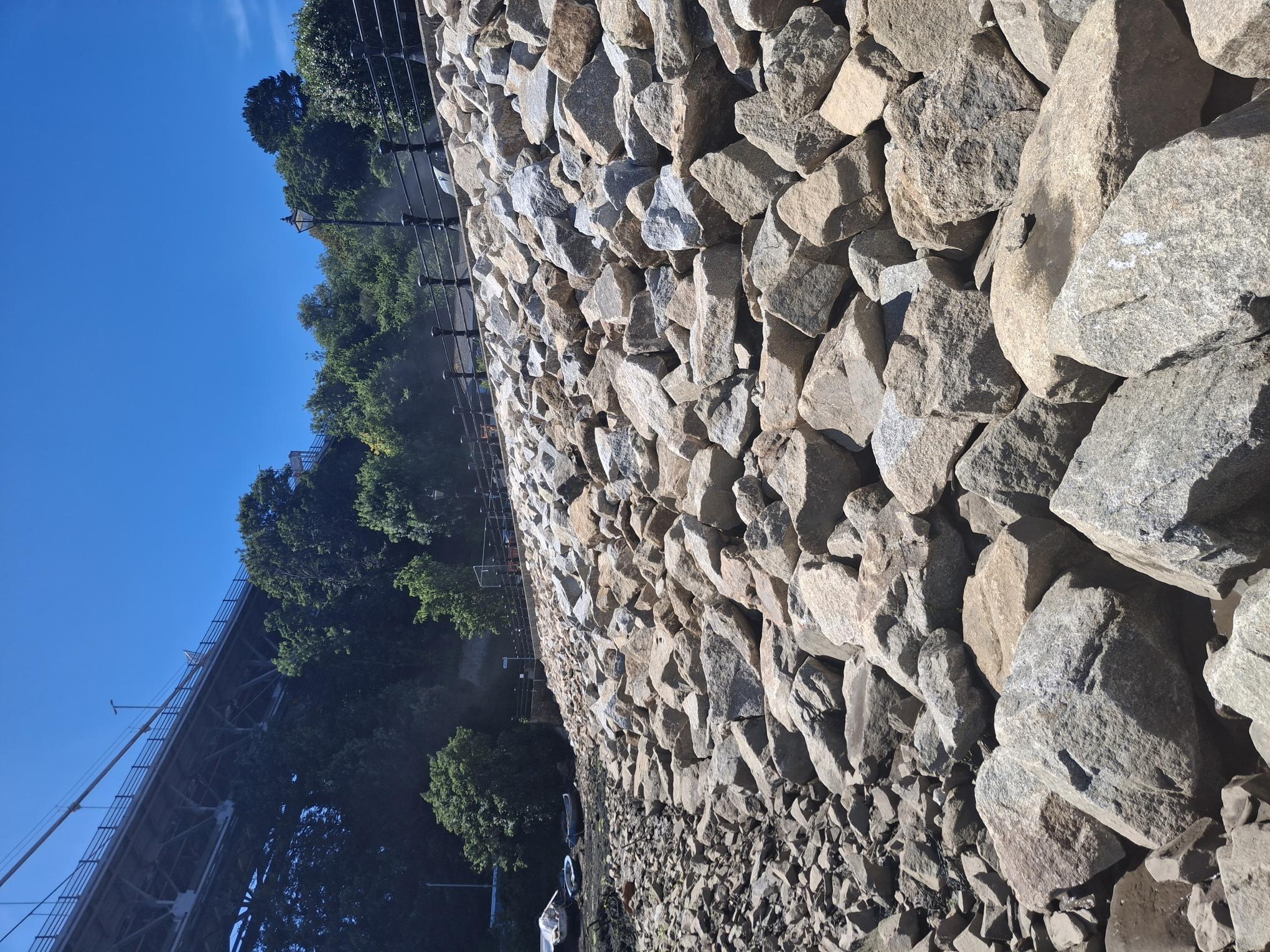
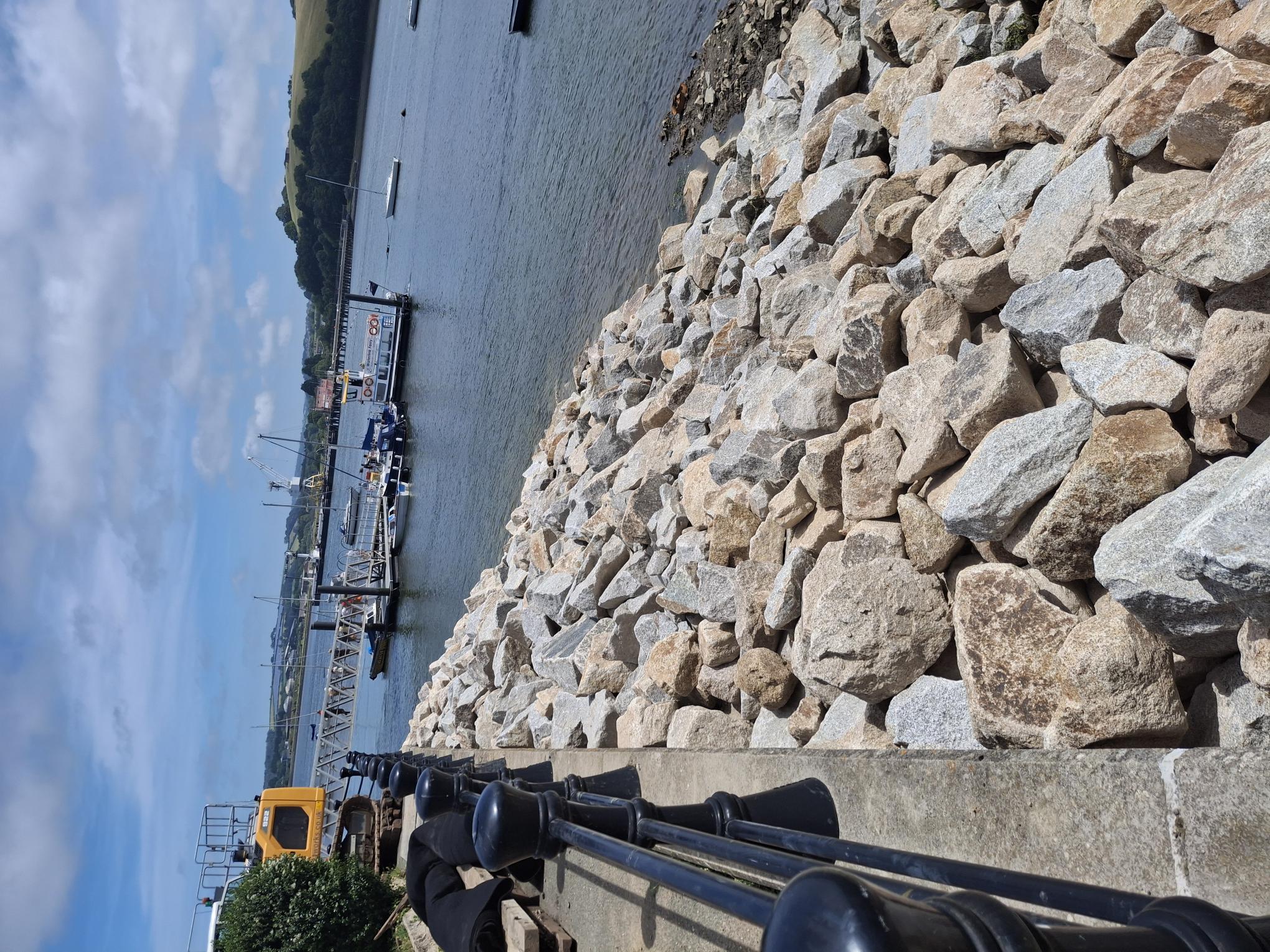
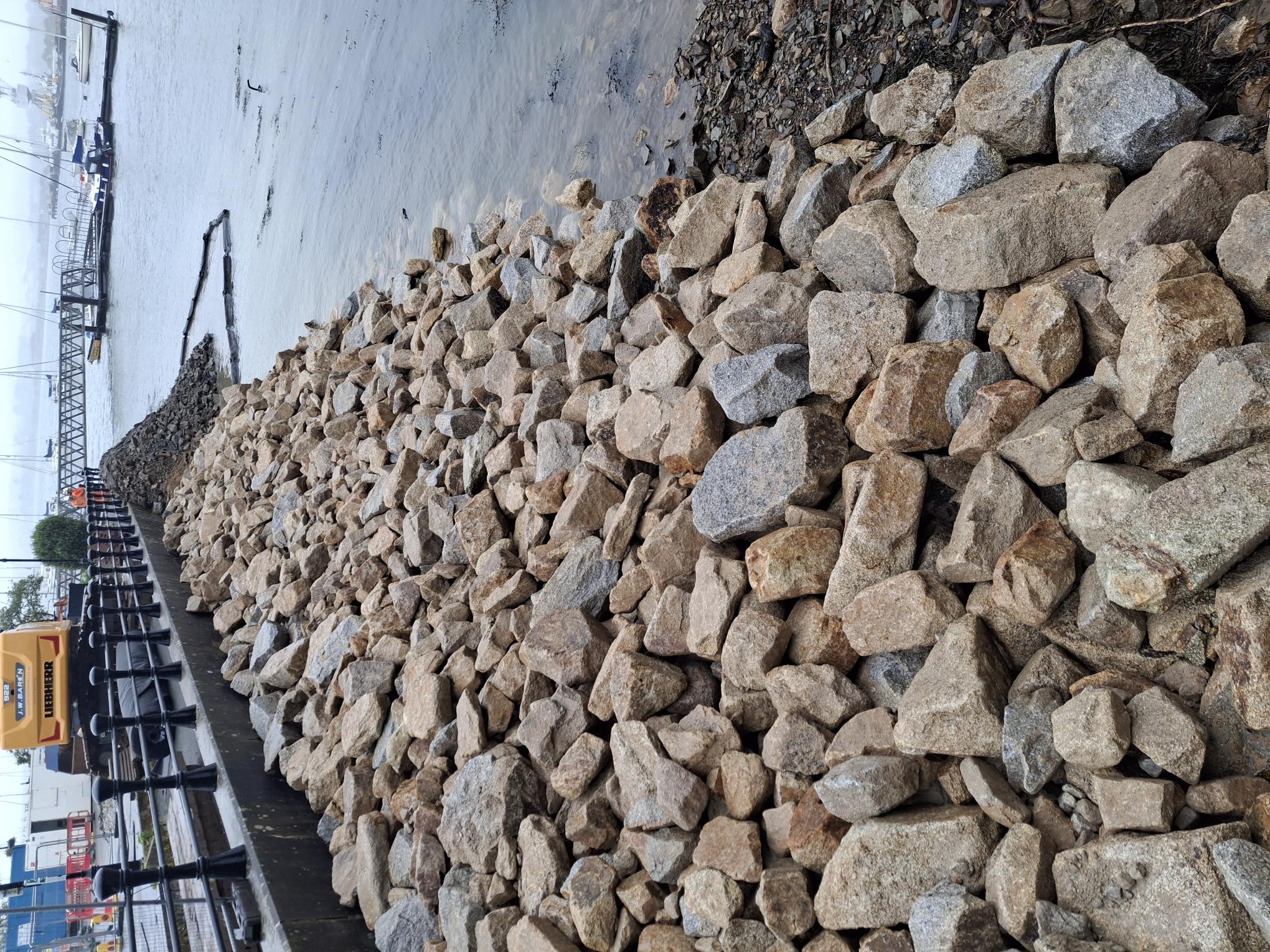
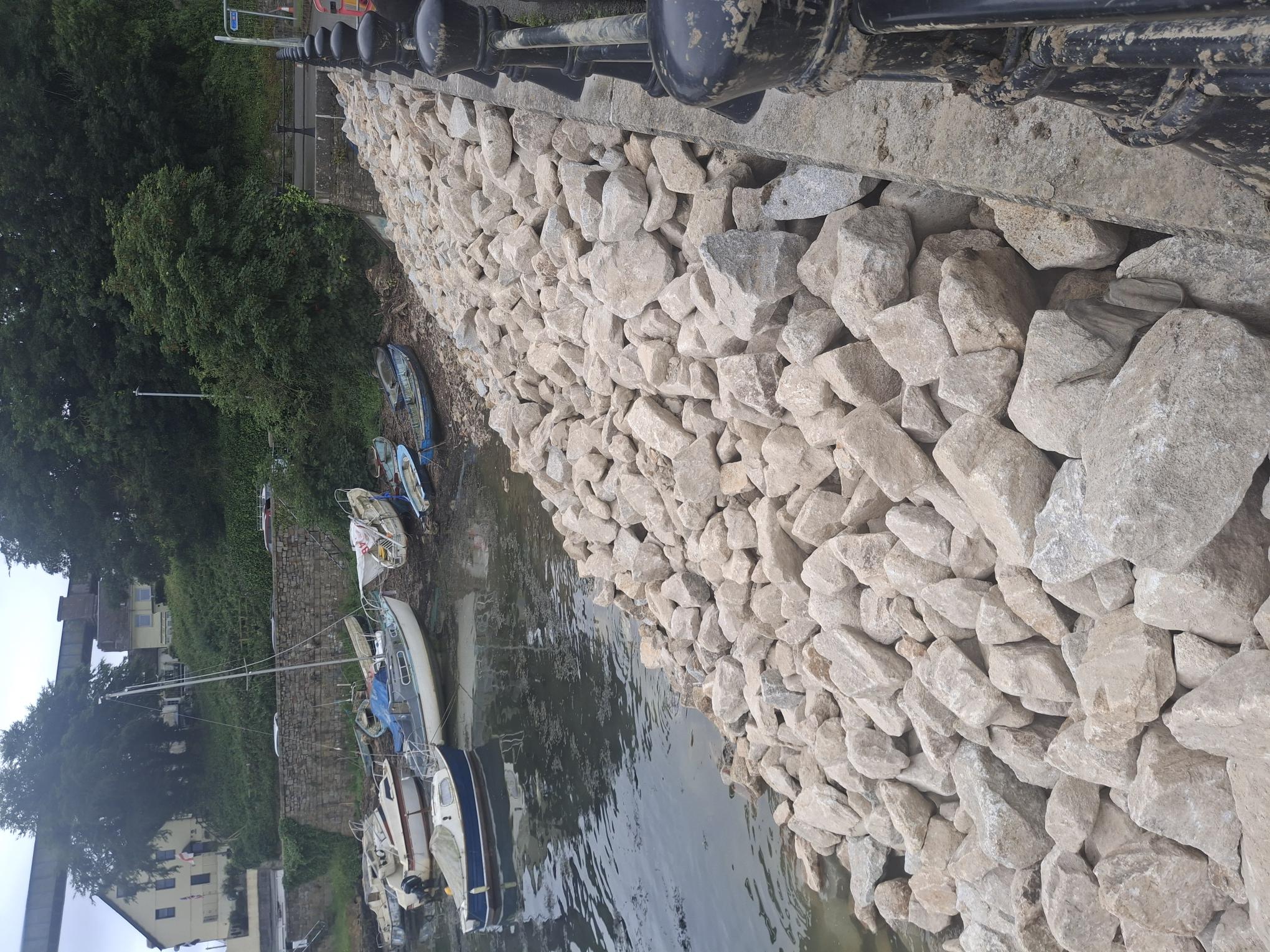
Share 15th October 2026 on Facebook Share 15th October 2026 on X (formerly Twitter) Share 15th October 2026 on Linkedin Email 15th October 2026 link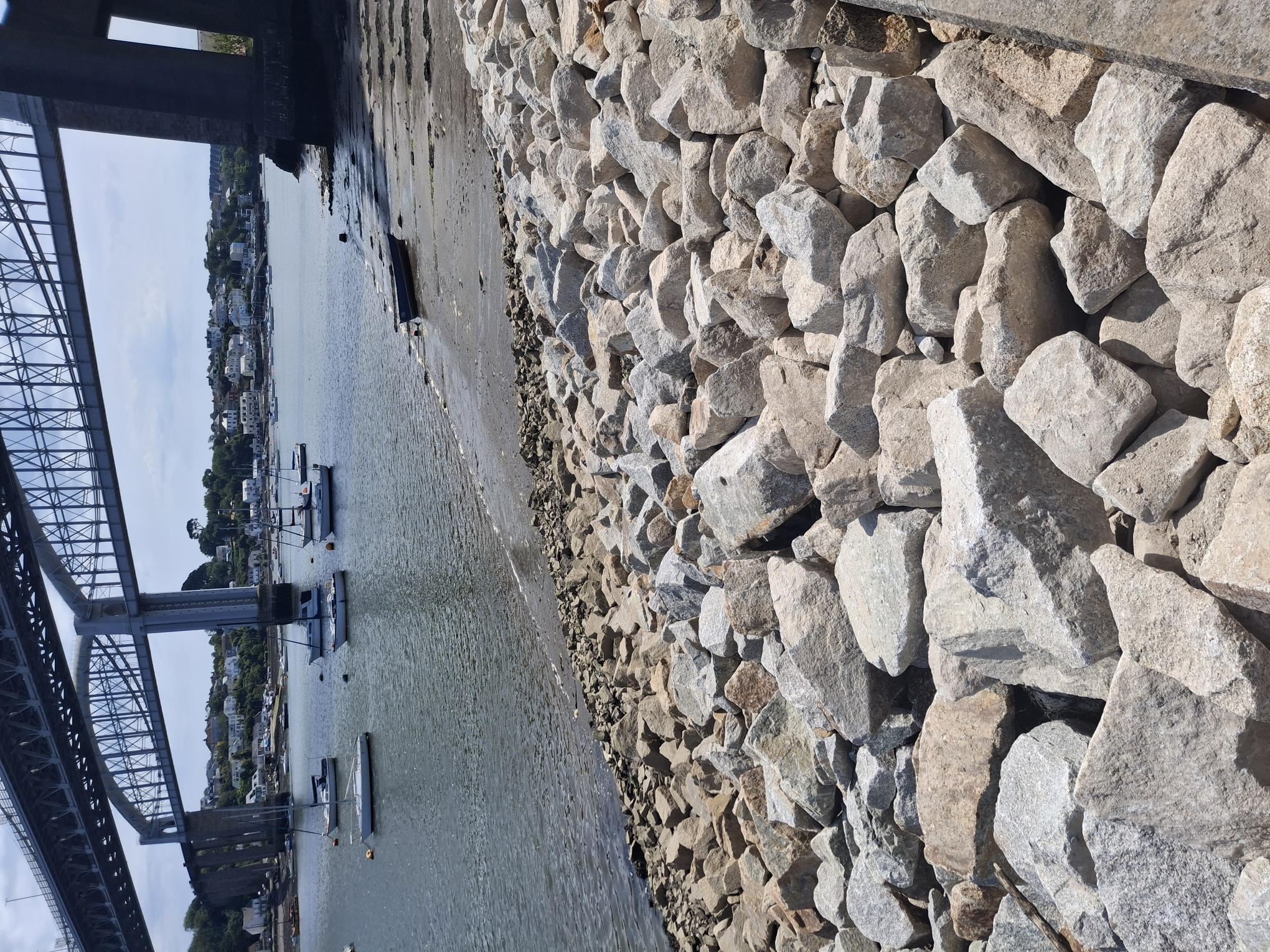 The construction of the new coastal defence at Jubilee Green, Saltash is now substantially complete, with only some filling of the void beneath sections of the footway to complete. The scheme has successfully replaced the deteriorating revetment with approximately 140 metres of new rock armour coastal defence, helping to protect the seawall, riverbank, boat park, public open space and car park from the impacts of coastal erosion.
Throughout construction, work has been carefully planned around tides and environmental constraints. As the project draws to a close, we would like to sincerely thank everyone for their patience and support while the works have been underway. We realise that at times the community have been affected and have done our best to ensure disruption has been kept to a minimum.
These photos show the completed coastal defence, which will help safeguard this section of the waterfront for many years to come.
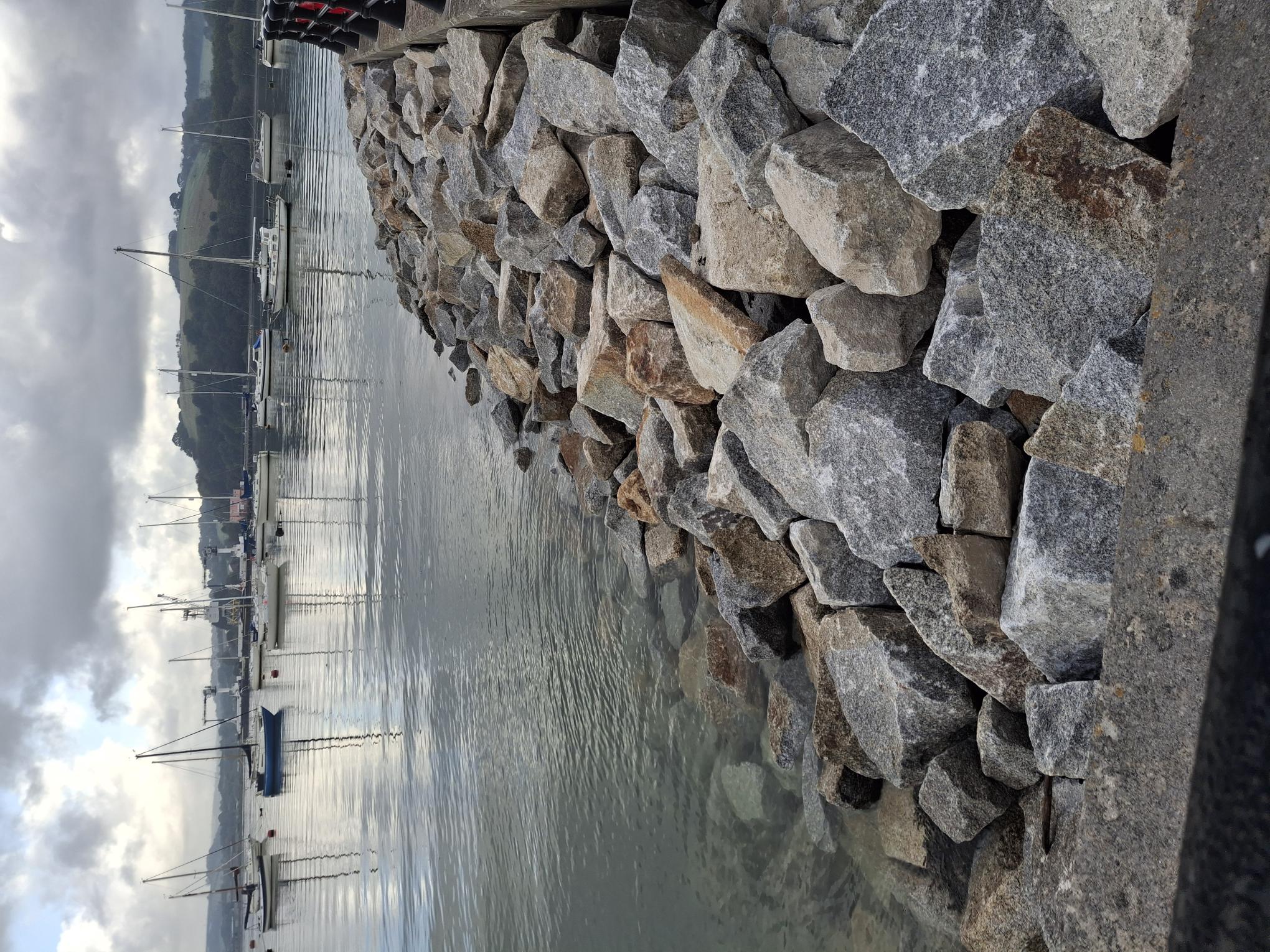
-
21st August 2026
Share 21st August 2026 on Facebook Share 21st August 2026 on X (formerly Twitter) Share 21st August 2026 on Linkedin Email 21st August 2026 linkWorking around the tides, we have now reached 80 metres of rock armour and have installed the timber shuttering to the wall beneath the footway. In due course the voids beneath the footpath will be filled with concrete to stabilise it. This week works are temporarily halted whilst we wait for next week's tides which are promised to be below the 2m mark, when we will recommence excavation of the toe and begin stripping more armour flex.
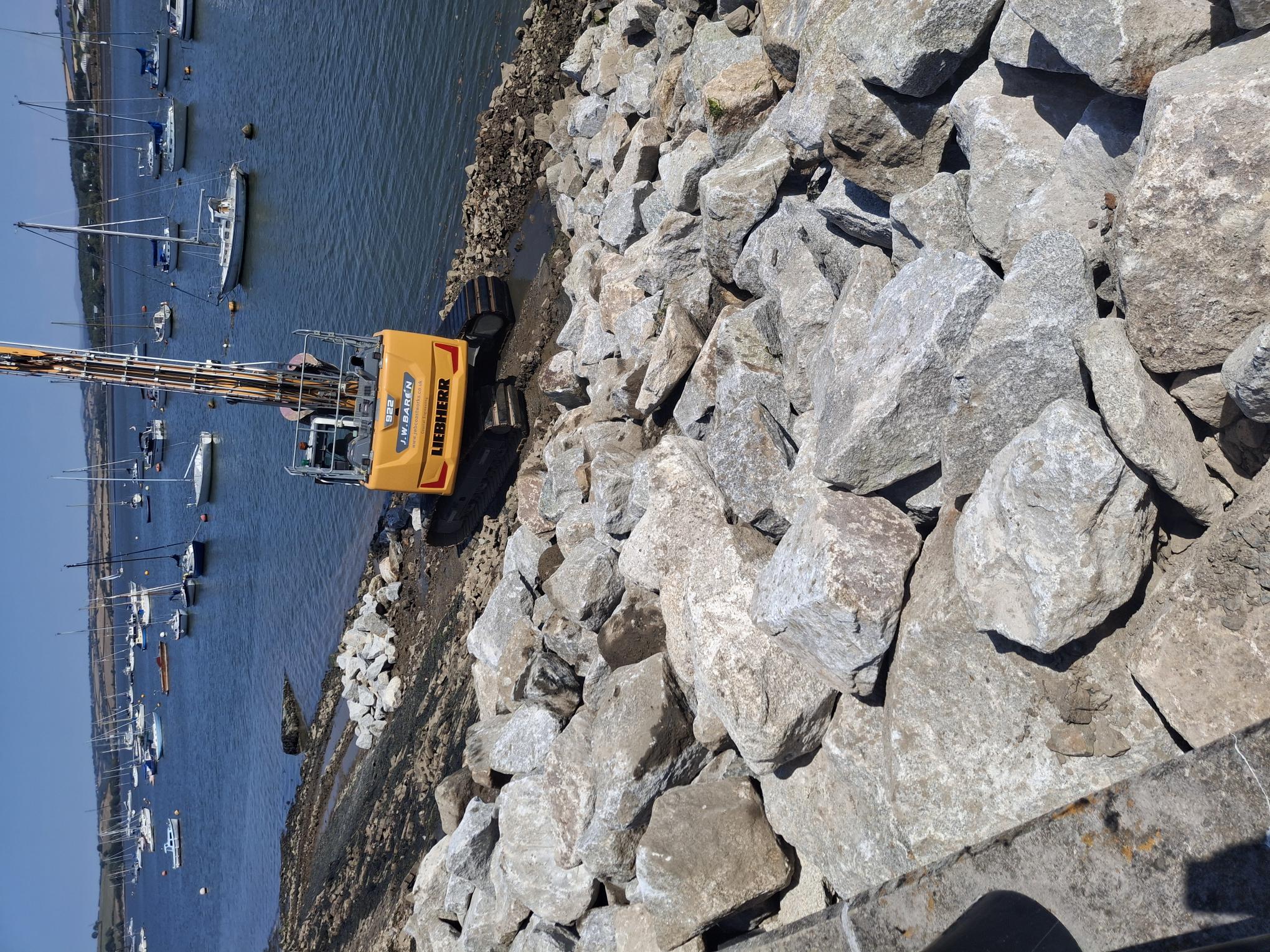
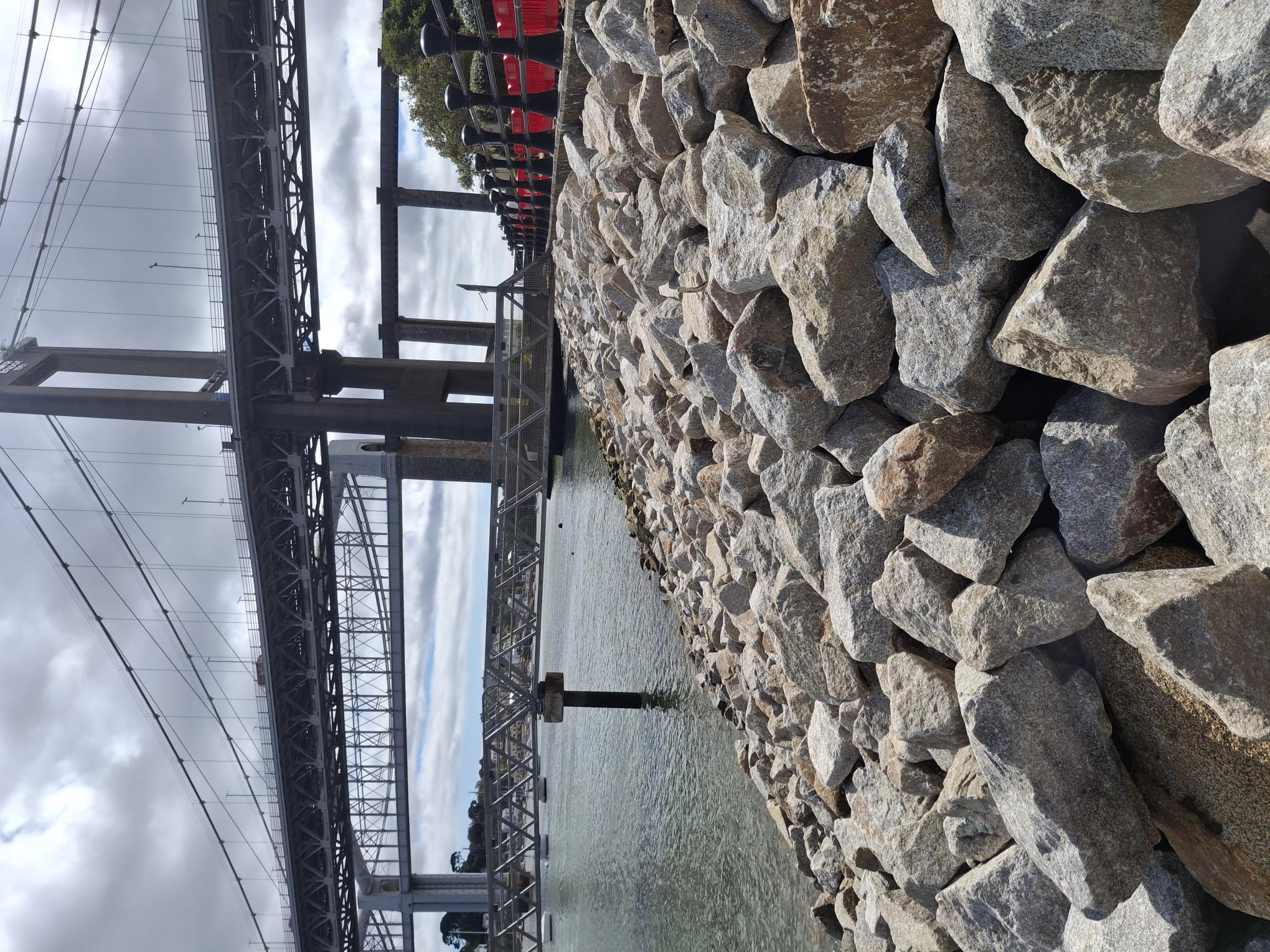
-
29th July 2026
Share 29th July 2026 on Facebook Share 29th July 2026 on X (formerly Twitter) Share 29th July 2026 on Linkedin Email 29th July 2026 linkWork on the Jubilee Green Coastal Defence Scheme continues to progress at good pace. This week we have identified a number of voids beneath the length of the footpath, adjacent to the revetment. Further investigations are now taking place, and we are working with the relevant statutory bodies to assess the extent of the issue and determine the most appropriate repair solution.
To ensure public safety, the footway between the Ferry Point and the entrance to the Boat Park will soon be closed to allow us to continue investigations and in turn, carry out repairs. Pedestrians will be asked to follow the signed diversion route along the adjacent pavement.
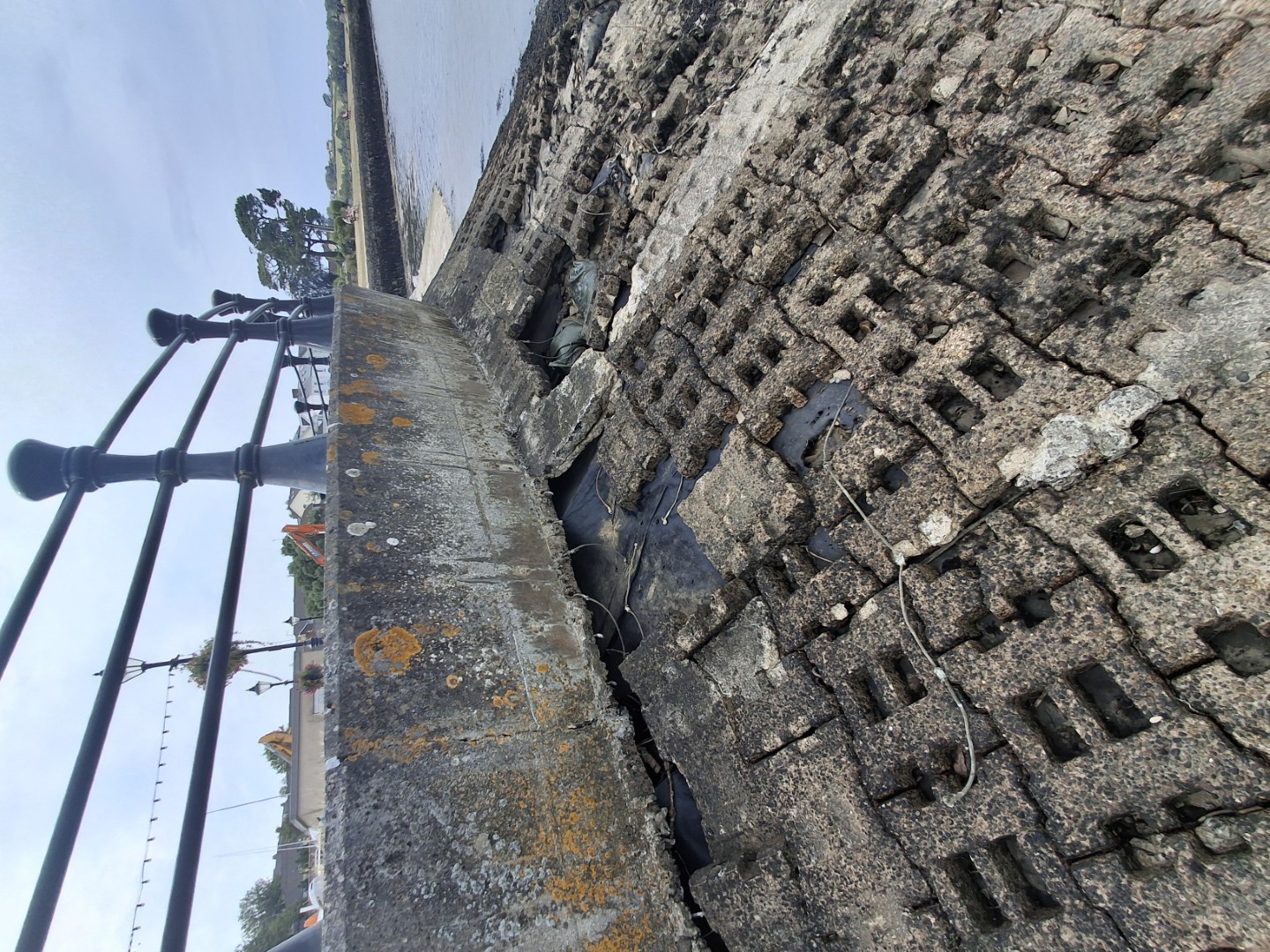
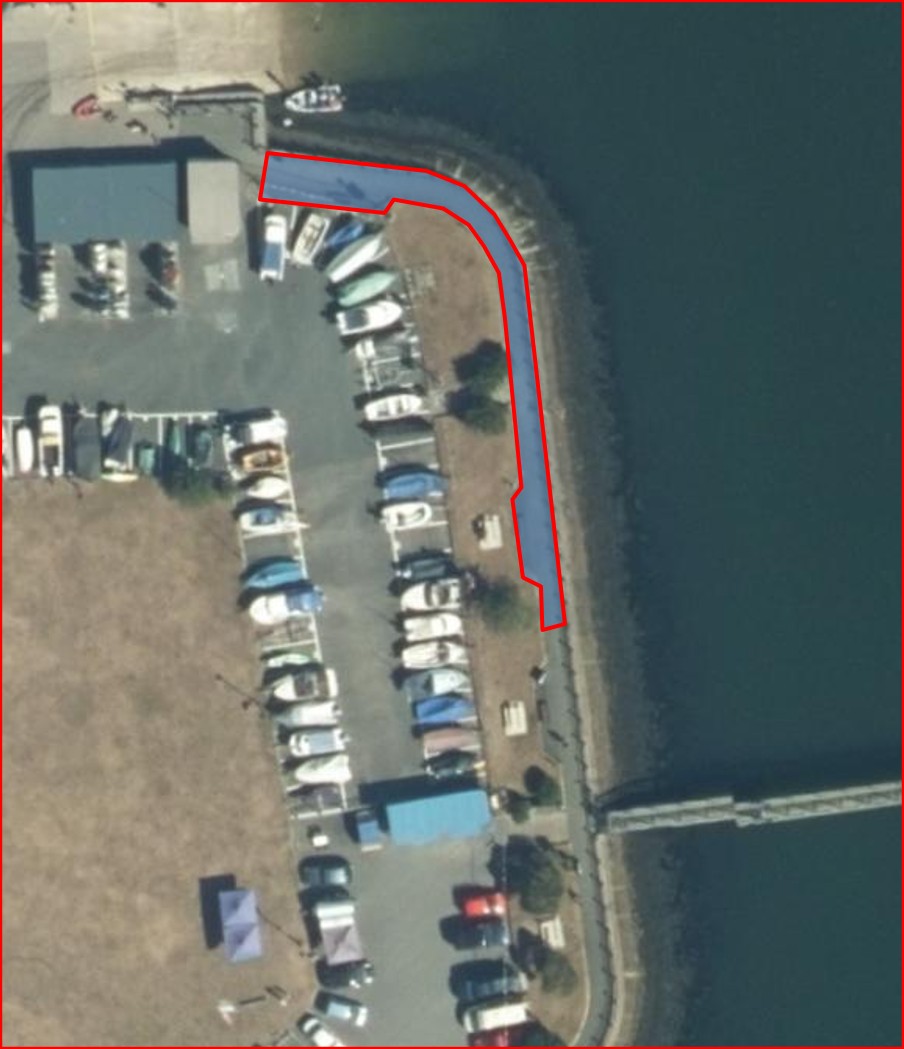
As part of the construction works, rock armour is currently being temporarily stored alongside the slipway. A buoy and warning signage have been installed to identify the location of the stored material when high tides may partially or fully cover the rocks. This is a short-term arrangement only and the stored rock armour will be relocated in due course.
-
17th July 2026
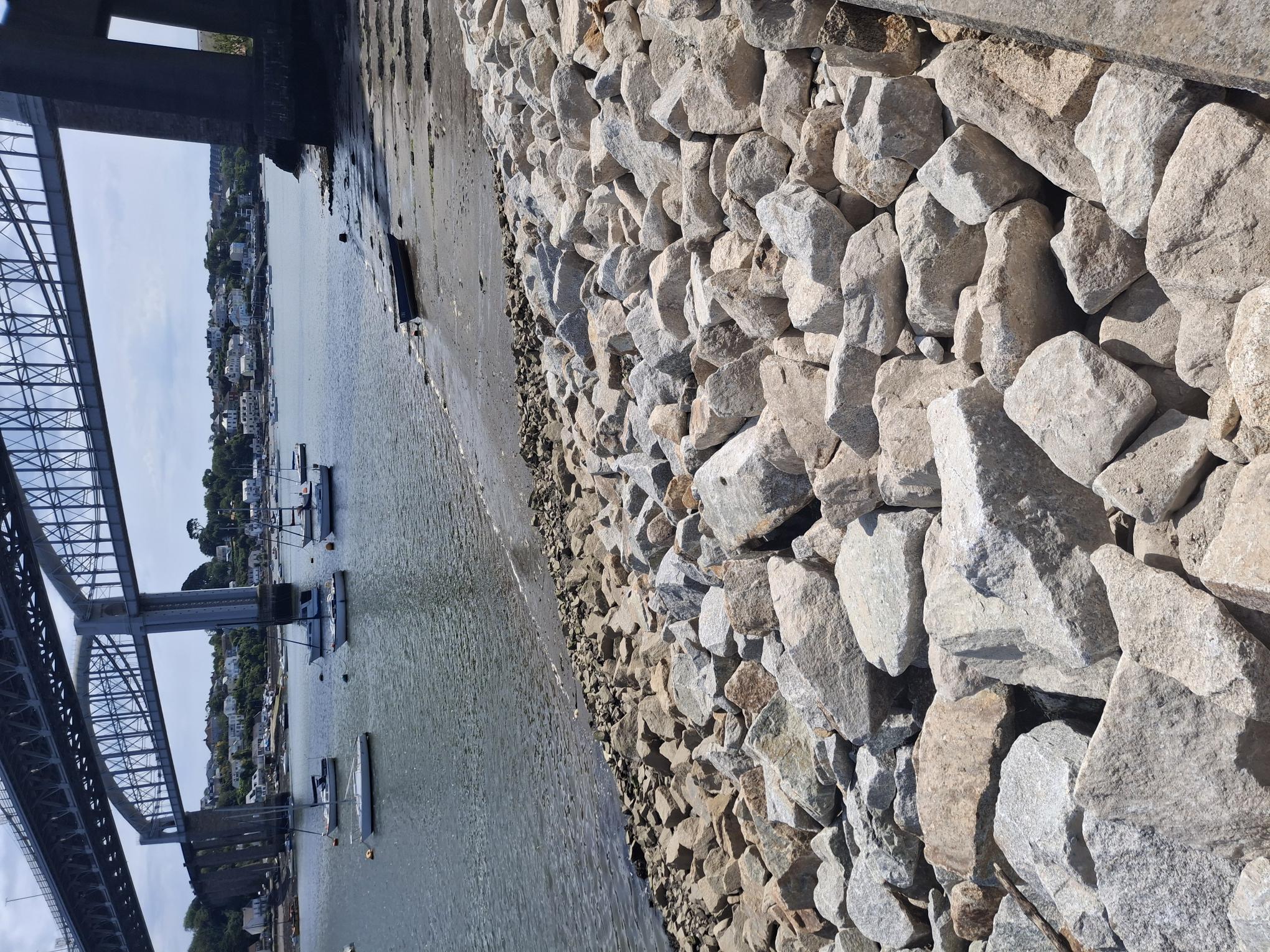
Share 17th July 2026 on Facebook Share 17th July 2026 on X (formerly Twitter) Share 17th July 2026 on Linkedin Email 17th July 2026 linkWe have now installed a total of 65 metres of rock armour and further reduced the space we've been using in the carpark. Currently we are working within the boat park and moving rock armour from the slipway to the toe (bottom) of the rock armour, and at the same time have begun excavation of the toe from the 65m point, extending to 90m, This will allow us commence installation of the next section of textile.
-
3rd July 2026
Share 3rd July 2026 on Facebook Share 3rd July 2026 on X (formerly Twitter) Share 3rd July 2026 on Linkedin Email 3rd July 2026 link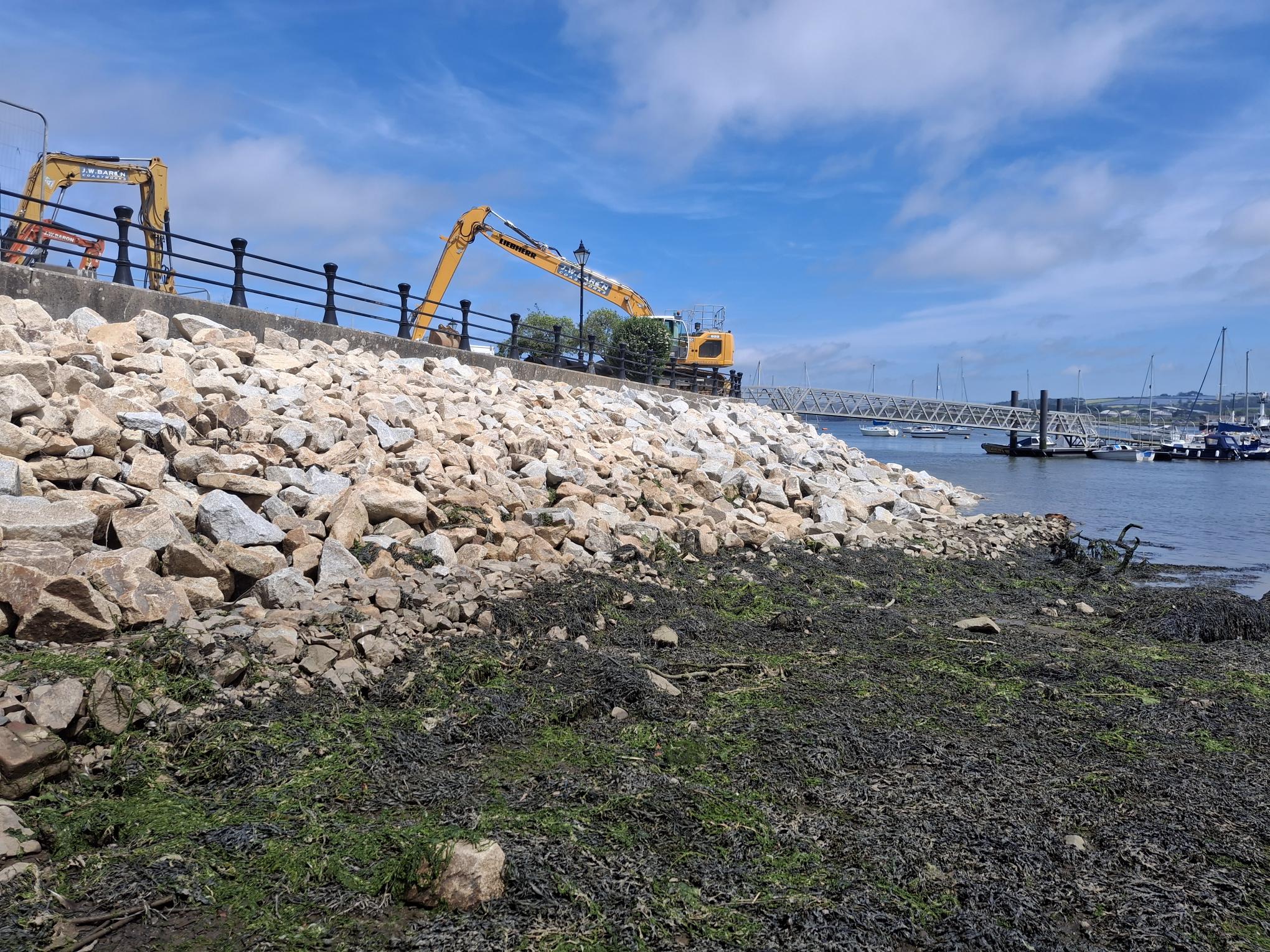
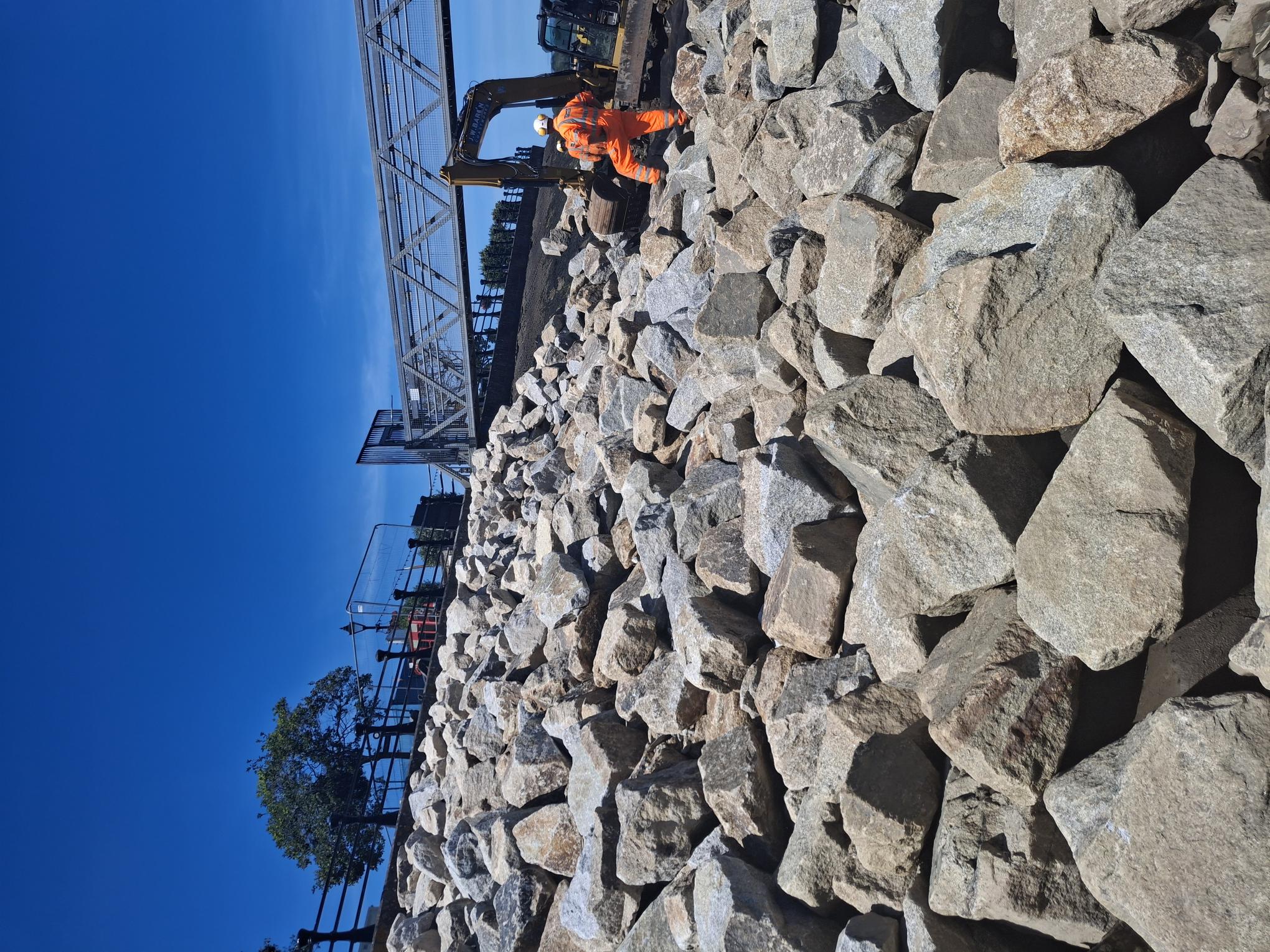
Good progress continues and the construction team is currently excavating the toe trench near the pontoon area, approximately halfway along the revetment. Rock armour installation has now been completed up to the area adjacent to the car park, and additional stone is being lowered into position ready for the next phase of toe construction.
Environmental protection remains a key priority throughout the works. Ecologists from Westcountry Rivers Trust are continuing to monitor activity on the foreshore to help protect marine life and ensure any ecological considerations are managed appropriately during construction.
In readiness for the Saltash Regatta on 24 July, the site compound within the car park will be reduced further during the month to help minimise impacts on visitors and local events.
-
19th June 2026
Share 19th June 2026 on Facebook Share 19th June 2026 on X (formerly Twitter) Share 19th June 2026 on Linkedin Email 19th June 2026 linkThe project is now underway and progressing well, with the first section of rock armour installation now complete.
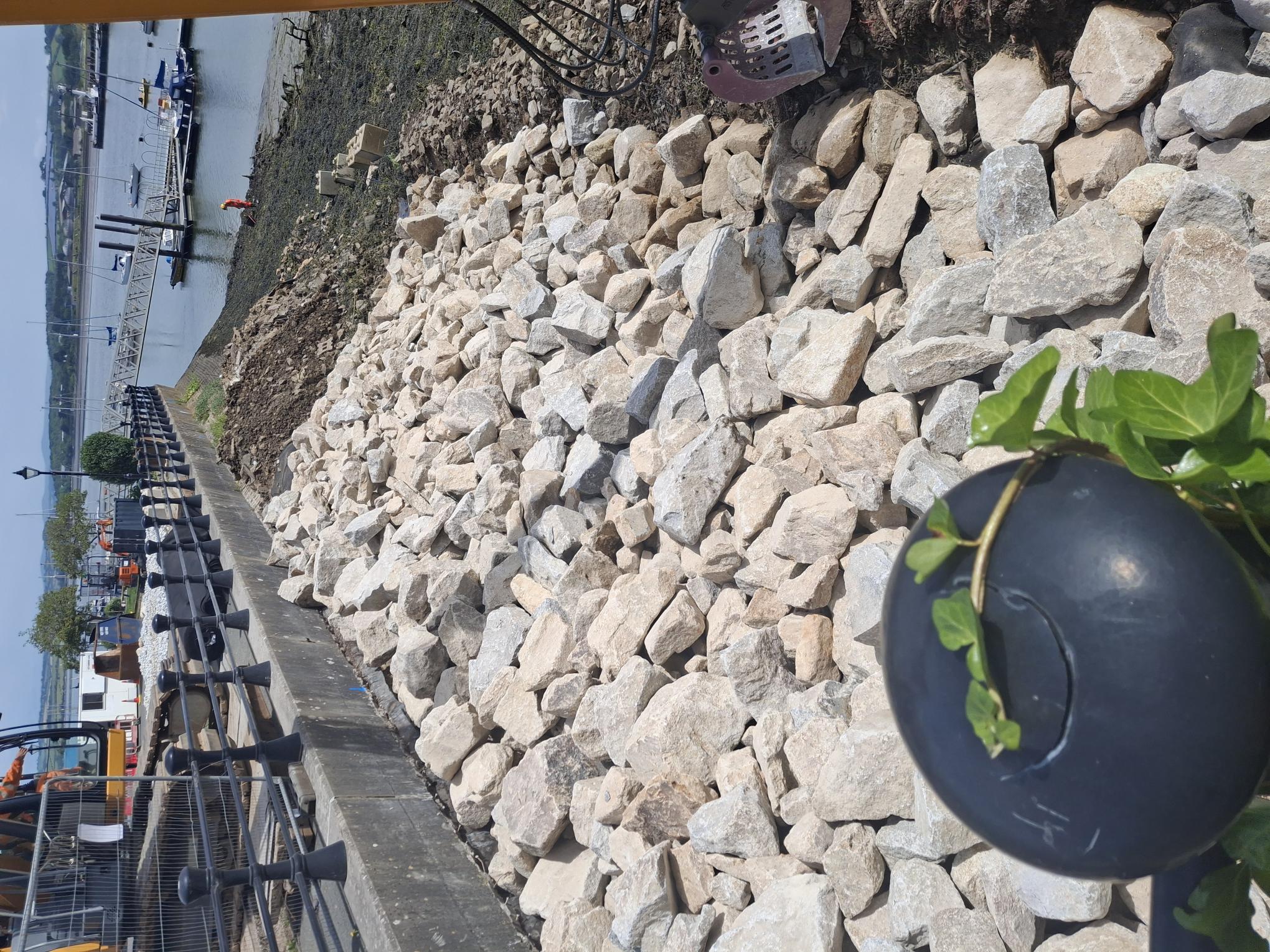
To date, approximately 30 metres of the planned 140 metres of rock armour has been installed. This initial section involved removing the existing Armourflex revetment, excavating the toe, installing geotextile lining, and placing the new rock armour. The smaller rock armour has now been fully installed along this stretch. Activity is currently focused further along the frontage at 40-50 metres along. This includes excavation to the old revetment, formation of the toe, and installation of geotextile and rock armour.
The majority of the rock being used currently weighs between 15kg and 300kg, with larger rocks (over one tonne) to be placed in key locations later in the programme, in line with the engineering design.
Now that the first section is complete, the site compound in the car park has been reduced, allowing more parking spaces to be made available again.
The project is on track for completion by the end of October.