
Exploring ocean science through chemistry and engineering
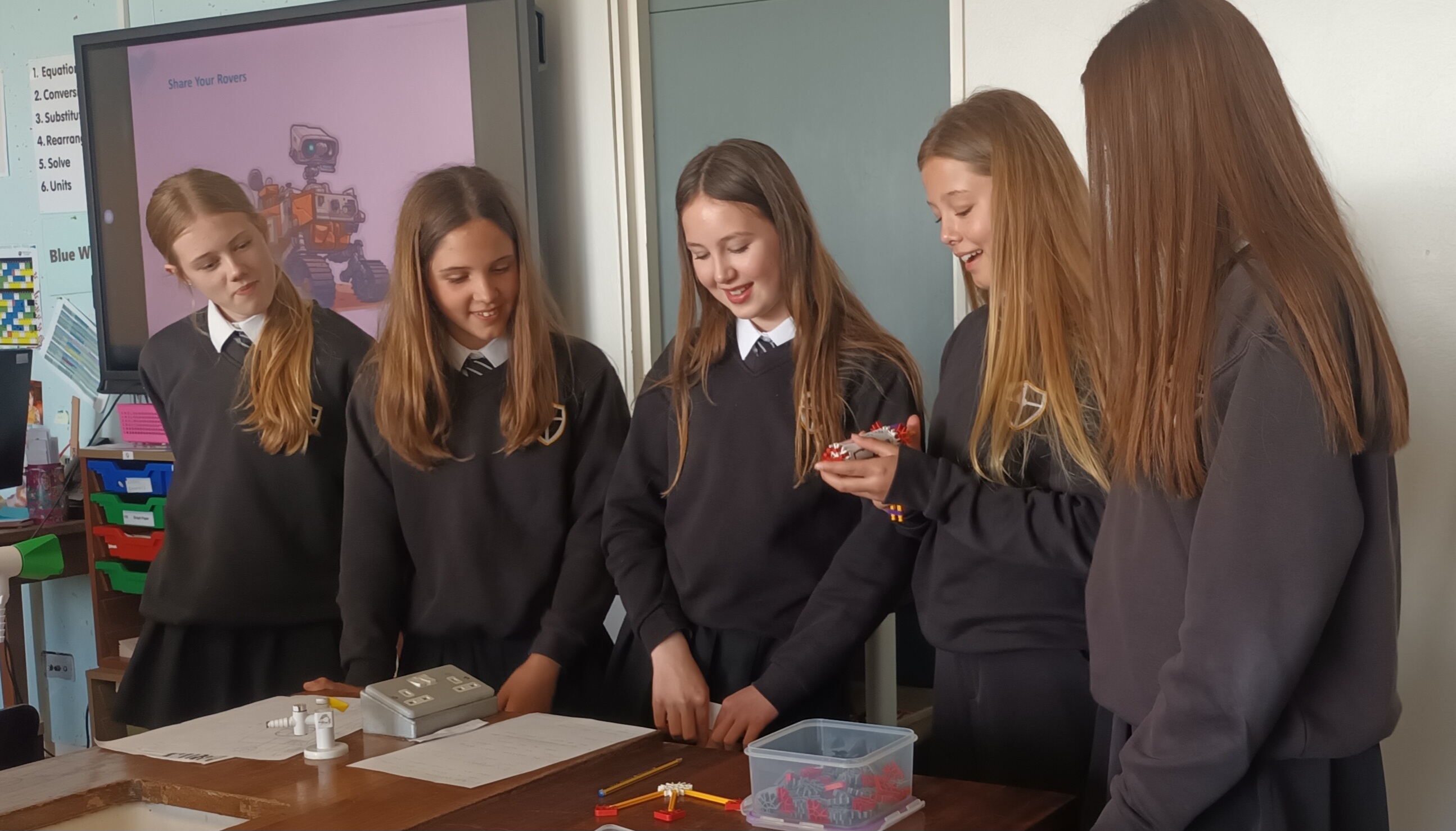 Girls PresentingIn the latest session of Catalyst Girls, delivered at Treviglas Academy, pupils took part in a hands‑on STEM workshop. This was one of a series of sessions exploring chemistry through real‑world problems linked to the ocean.
The session began with a recap of acidity in our oceans. Pupils learned how pH shows how acidic or alkaline something is. The group discussed why pH matters for people, animals, the environment, and our water.
Pupils tested different water samples, including still and sparkling water. They made predictions before testing and then compared their results. Pupils learned that sparkling water is more acidic because it contains carbon dioxide. This showed how gases can change the chemistry of water.
The session then moved on to ocean acidification. Pupils learned how carbon dioxide enters the ocean and lowers pH levels. They discussed how this affects marine life, especially shells and coral. This helped pupils understand how human actions can harm the ocean.
Pupils also explored how technology is used to study the sea. They learned how sensors, drones, and robots collect data in hard‑to‑reach places. This showed how science, technology, and engineering work together.
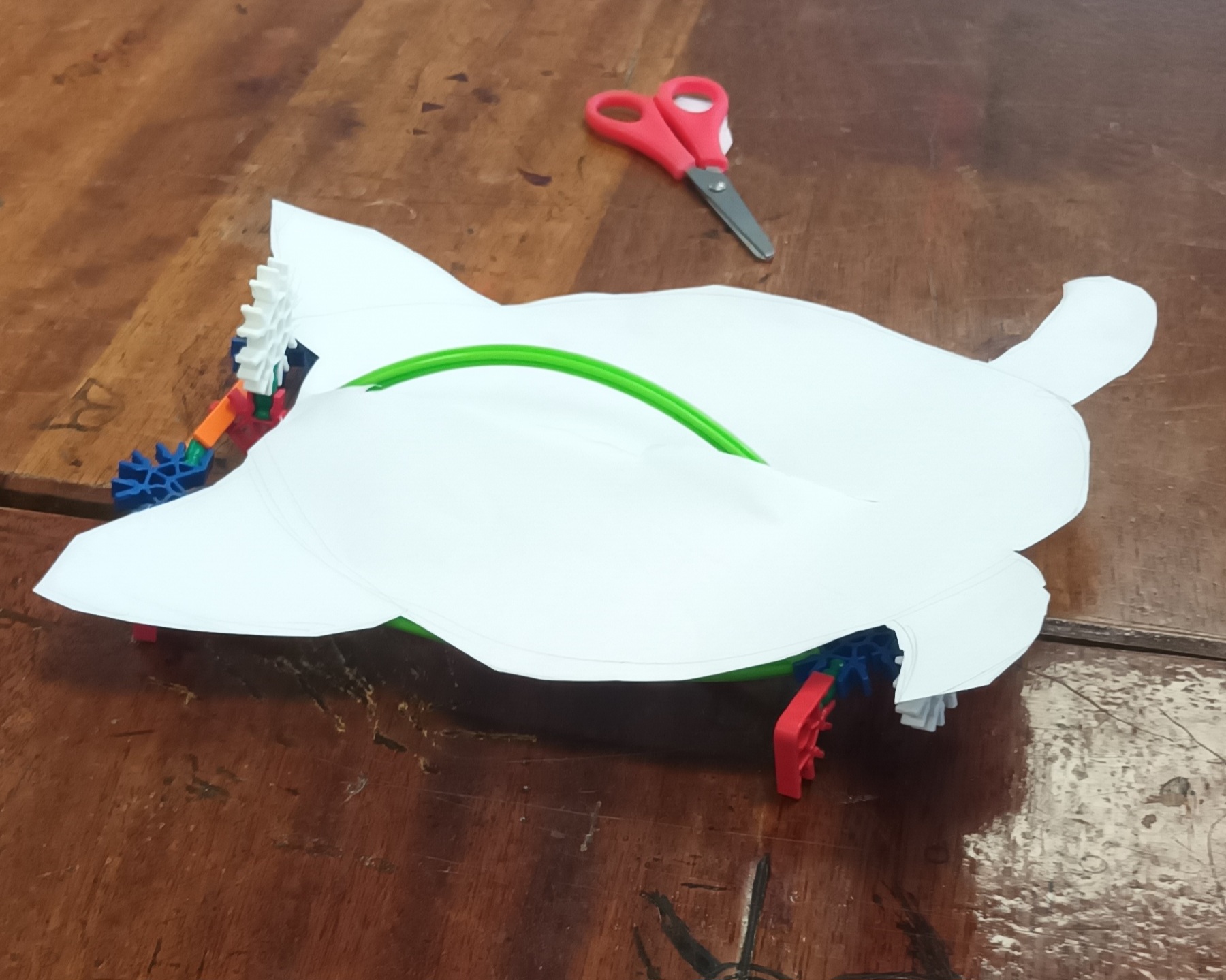
To end the session, pupils took part in an engineering challenge. Working in groups, they designed and built an acidity detector to measure ocean pH. Pupils chose materials, planned how their detector would work, and stayed within a set budget. They thought carefully about how acidity data could be collected and used.
Each group shared their acidity detector with their peers. Pupils explained their design choices and how their detector would work in the ocean. This helped pupils build confidence and communication skills.
The session developed teamwork, problem‑solving, and practical STEM skills. It also introduced careers in science, engineering, and environmental work. The project showed how chemistry and STEM learning can help protect the ocean and the world around us.
"I liked building the acidity detector because it helped me understand how scientists test ocean water and protect marine life." - Pupil Treviglas Academy
 Water Rover

Thank you for your contribution!
Help us reach out to more people in the community
Share this with family and friends